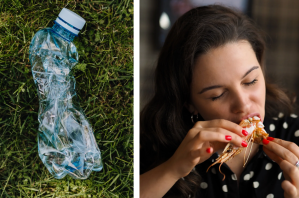
Plastic waste has been a growing global issue for years. The United Nations Environment Programme says that 19 to 23 million metric tonnes of plastic waste leaks into lakes, rivers, and oceans each year. Given the threat microplastics pose to animal and human health, efforts to find green replacements have intensified—and they’re working. Scientists from Singapore and Spain have found a strong, potentially viable replacement for plastic made from shrimp shells.

A research team based at the Singapore University of Technology and Design and the Institute for Bioengineering of Catalonia in Barcelona has made a biodegradable plastic alternative out of chitosan. Chitosan is a compound created by combining shrimp shells with trace amounts of nickel. It contains a structural molecule found in the shells of crustaceans and insect exoskeletons. Usually discarded as a waste byproduct of shrimp and crab processing, chitosan is commonly produced during seafood preparation and commercial fishing.

The issue with chitosan, though, was that it weakens and dissolves in water. That is, until recently.

How chitosan got stronger

Dissolving chitosan flakes into a weak acetic solution and mixing them with dissolved nickel chloride and water produced surprising results. Scientists then poured the mixture into molds to dry. The process yields a thin, green-tinted film with the strength of commonly used plastics like polypropylene. Even better, when submerged in water, the film grows 50% stronger. This increased durability matches the characteristics of polycarbonate and PETG, plastics commonly used in commercial single-use water bottles.

Researchers then stress-tested the chitosan material by molding it into cups and containers. They were able to confirm it could hold water without leaks. In terms of biodegradability, the chitosan material reached its half-life in four months in a standard soil burial test. By contrast, most commercial plastics can take centuries to decompose under similar conditions.

Researchers found that this is not only a better biodegradable plastic alternative, but also one that produces zero waste during creation. When the chitosan/nickel film is submerged, about 87% of the nickel washes out. That wash water can then be reused again and again from one batch of chitosan to the next. According to the researchers, the nickel content of a single AAA battery would provide enough nickel to manufacture more than a dozen chitosan drinking cups.

The potential future

Rigorous testing to assess the material’s limits for medical use and consumption still needs to be done. That said, the Food and Drug Administration has already approved products containing chitosan and nickel individually in the past. Barring any troubling research about their combined safety, the outlook is quite positive for future use.

Hopefully, seafood and battery waste can be reduced, helping lower plastic waste in a three-way win for the environment.

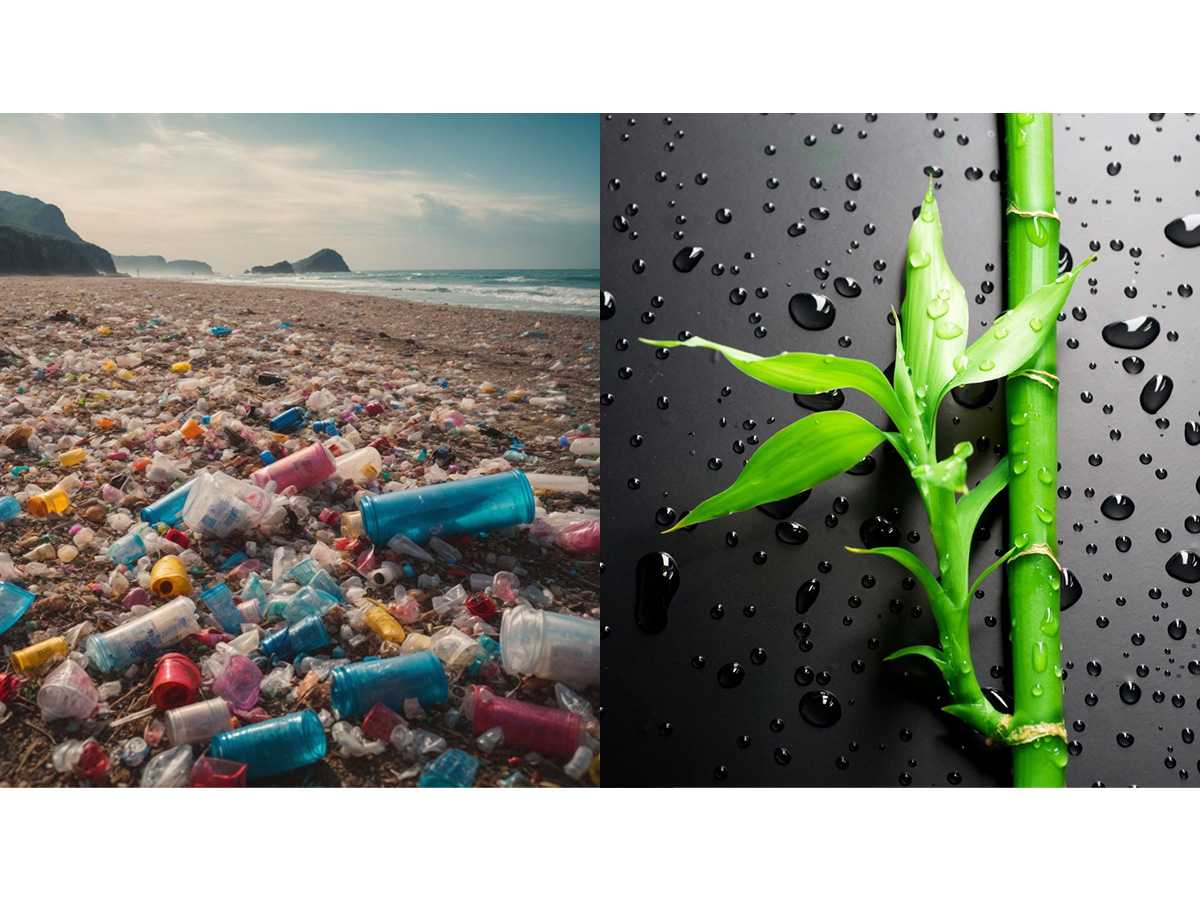
  • Plastic pollution is a global mess and bamboo could be our way to dig out of it
    A bamboo forest.Photo credit: Photo credit Canva

    Plastic pollution is a global mess and bamboo could be our way to dig out of it

    Eco-friendly materials that are actually affordable and sustainable.

    Plastic pollution is one of the most pressing environmental issues we face today. Conventional plastics are hard to replace because of their durability and low-cost production. Scientists are turning to nature to find new solutions.

    Researchers in China have developed a plastic created from bamboo. It maintains the strength and versatility of traditional plastics without producing the toxic byproducts. This fast-growing, renewable plant is a promising option for making eco-friendly, affordable, recyclable, and biodegradable materials.

    Biodegradable bamboo plastic

    Scientists from Northeast Forestry University have developed a remarkable two-step method transforming bamboo into a reliable plastic. First, they combined bamboo cellulose with a solvent made from zinc chloride and formic acid. The process makes the bamboo flexible. Secondly, they soaked this bamboo gel in ethanol. The gel then formed into a dense material known as bamboo molecular plastic, or BM-plastic.

    Using widely available chemicals at room temperature, the process produces no toxic byproducts, making for a cleaner approach to plastic production. This bamboo bioplastic is durable and still performs well for everyday plastic uses without losing performance. The 2025 study in Nature Communications reported that the eco-friendly plastic bends without snapping and is five times harder than ABS or PLA industrial plastics.

    Unlike traditional plastics, BM-plastic can be recycled or biodegrade naturally. When discarded in soil, it fully breaks down within 50 days. Or, the plastic can be redissolved back into a mix, reused, and retain 90% of its original strength.

    pollution, chemistry, recycling, environment, research, materials, green, cellulose
    Plastic littered beach and bamboo. Photo credit Canva

    BM-plastic is versatile and sustainable

    A 2025 study in MDPI highlights bamboo as one of the fastest-growing plants that are ecologically adaptable, rapidly renewable, soil-stabilizing, and have expanded industrial uses in construction and bioenergy. A 2025 study in Science Direct reported a short harvest cycle of 3-5 years compared to hardwoods, its adaptability to varied growing conditions, and a lower need for pesticides and fertilizers.

    Another great benefit from using BM-plastic is that it can be used in machines already creating plastic products. Injection molds can shape the plastic even for things like lampshades, decorative packaging, and gears. The durability suggests BM-plastic could replace conventional plastics used in construction, electronics, and cars. Testing revealed that after 7 days at 100 degrees Celsius, the temperature at which water boils, it showed no cracks. Strong acids didn’t damage the surface, as it remained unaffected.

    farming, manufacturing, affordablility, production costs, crops, timber, plantations
    Field of bamboo. Photo credit Canva

    Eco-friendly and affordable

    A Global Bamboo Resource Report in 2024 compiled data from governments and policymakers, revealing plantation statistics from 68 countries. It showed sustainable land-use and reliable economic development from bamboo cultivation. Grow Billion Trees reviewed bamboo farming economics that showed low establishment costs relative to traditional timber crops, fast rotation cycles, and emerging markets.

    Eco-friendly resources often fail because of the high cost of production and sustainability. Analysis of BM-plastic has a production cost of about $2300 per ton. Electricity costs are minimal because the creation process occurs at room temperature. A 2025 study in Science Direct revealed that petroleum-based plastics cost about $1,200 per ton. However, the Pew Charitable Trusts suggests the damage to health and climate could raise that level to as much as $2,400 per ton by 2040.

    Earth, future, evolution, children, planet health, community, culture, government
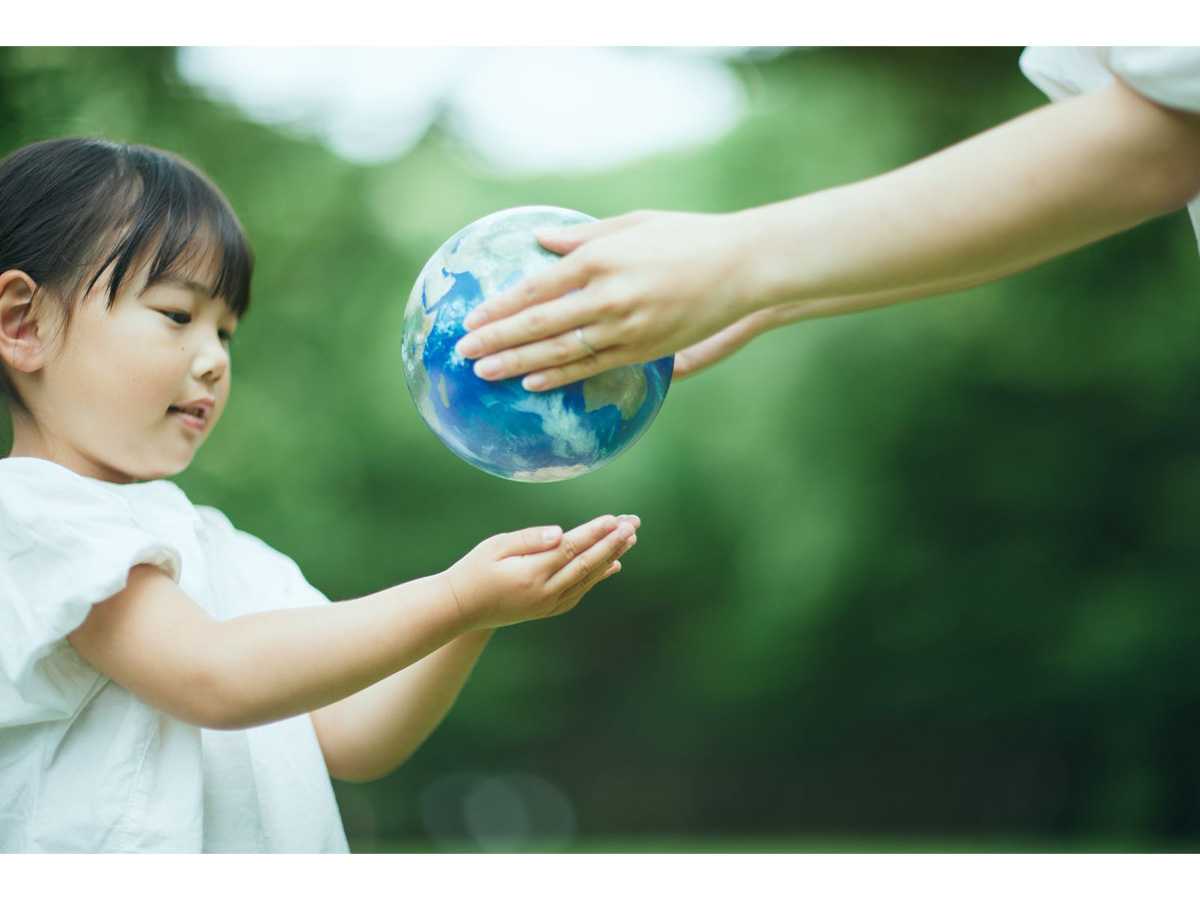
    Handing an Earth painted ball to a child. Photo credit Canva

    New inventions like bamboo plastic might be one of many necessary solutions to a pressing need for more eco-friendly and affordable production. Biodegradable, recyclable, and sustainable plastics could change the landscape for electronics, construction, and packaging. If scientific advances can create more tools to reduce pollution, future generations still might inherit a habitable planet.

  • 95.9 percent of all new car sales in Norway are now fully electric
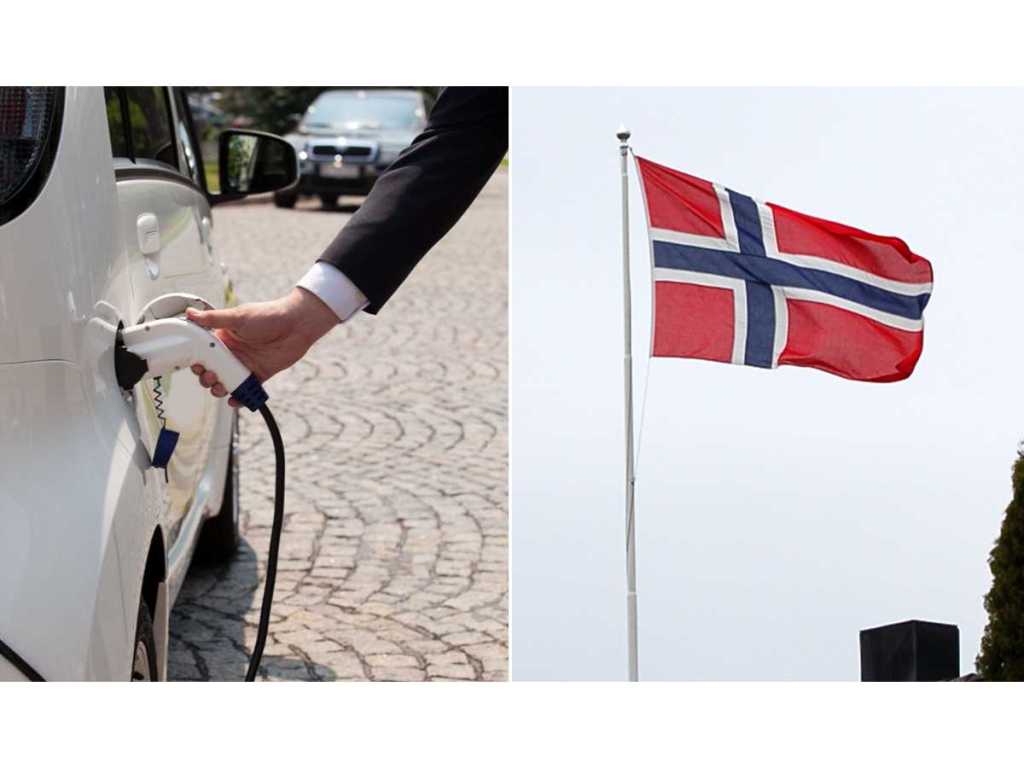
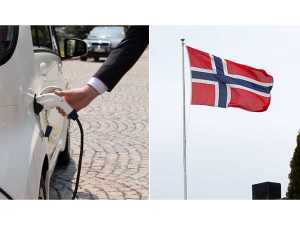
    Electric vehicle and the flag of Norway.Photo credit: Photo credit Canva and Hans-Petter Fjeld/ Wikimedia Commons

    95.9 percent of all new car sales in Norway are now fully electric

    Norway is the world leader for changing how people think about cars.

    Electric cars have emerged as one of the most promising tools for cutting emissions and lightening the heavy footprint caused by carbon-based fuels. While the United States continues to face challenges like cost, infrastructure, and consumer confidence, Norway has achieved what once seemed impossible.

    In 2025, nearly all new cars purchased in Norway were fully electric. Understanding how Norway succeeded offers valuable insight into how the U.S. could better transition to cleaner transportation.

    charging station, parking fees, infrastructure, carbon-effecient vehicles, electric cars, green energy, incentives, innovation
    A parking lot for charging electric vehicles. Photo credit Canva

    How is Norway going green with EVs?

    Of the new cars registered in Norway for 2025, 95.9% were electric vehicles (EVs). The country’s move toward EVs was successful not only in pushing short-term strategies, but also in thinking beyond the horizon. In a country known for its cold, mountainous terrain, it seemed an unlikely place for moving off petrol-based cars. After all, with the limited travel distance by electric cars and the need for expensive infrastructure like charging stations, it doesn’t seem like a good pairing.

    The Norwegian government started by making electric vehicles cheaper. Norway has an expensive value-added tax (VAT) that makes new cars more expensive. To encourage purchases of the more carbon-efficient vehicles, this tax, as well as import duties, were waived. They reduced parking fees, tolls, and ferry fees, adding more incentives to make EVs less costly overall than fossil-fuel cars.

    Norway also invested in creating an extensive infrastructure, making access to even the most remote areas possible with an electric car. A 2025 study showed Norway’s EV infrastructure was advocated through strategic fast-charger placement and ongoing innovation. They built over 27,000 public charging points nationwide capable of serving 447 chargers for every 100,00 people.

    Yet, it’s not only tax incentives and infrastructure that brought about the monumental move toward greener transportation. Clean and reliable electricity from Norway’s hydropower stations means the grid itself is more world-conscious. Their consistent long-term policies have kept incentives in place for many years, giving consumers and the automakers more confidence in making a greener future.

    oil, environment, solar, wind, energy costs, carbon footprint, renewable energy
    Oil production. Photo credit Canva

    The benefits of the EV carbon footprint versus fossil fuel-powered vehicles

    The benefits of EVs are not as cut and dry as we’ve been led to believe. A 2025 study revealed that electric cars produce more pollution, especially from the manufacturing of batteries, than gas cars during initial creation. But after about two years, electric vehicles become cleaner. They help reduce harmful air pollution and cause much less damage to human health on the planet—about one-third as much.

    EVs are expected to increase environmental benefits in the coming years, much like solar and wind. According to the U.S. Department of Energy, not only are electric vehicles more energy-efficient, but they also have lower fuel costs over time and reduce the carbon footprint. The value is significant in areas with less-clean electricity and even more so in areas powered by renewable sources. A 2024 study by the University of Houston showed the environmental benefits grew over time. Not only was there improved air quality as well as reduced fuel and energy costs, but there were also fewer premature deaths.

    Earth, United States, USA, battery repair, consumer hesistation, public health, economy, government
    Sun shines over the Earth. Photo credit Canva

    USA struggles to find a stronger footing with EVs

    Electric cars have been more difficult to adopt in the United States. A 2024 study showed that the upfront costs of an EV were a significant reason for consumer hesitation. Trends show buyers want cars under $45,000, and most are priced much higher than that. Also, there is a significant lack of infrastructure without charging stations available or reliable enough to make people comfortable with the switch, a term described as “range anxiety.”

    Concerns over maintenance, long-term costs, battery repair, and reliability makes the purchase less likely. Analysis from industry leaders revealed that fewer attractive options make it harder to connect with the average buyer. In 2021,The National Bureau of Economic Research reported that government incentives and sociopolitical differences across states made EV demand uneven.

    Norway has done something significant in the race to find more sustainable ways to meet energy demands while decreasing the amount of harm to the environment. The success of the EVs demonstrates that large-scale change happens when clean choices become easier and cheaper. The small country offers a powerful blueprint of sustained policy, smart infrastructure investment, and practical incentives to shift behavior. With culture wars, consumer perception, and resistance to simple virtue signaling, the US has a challenging road to follow. Hopefully, Norway has set a standard and path worth trying anyway.

  • Tiny, stingless bees in the Amazon just became the first insects in the world granted legal rights
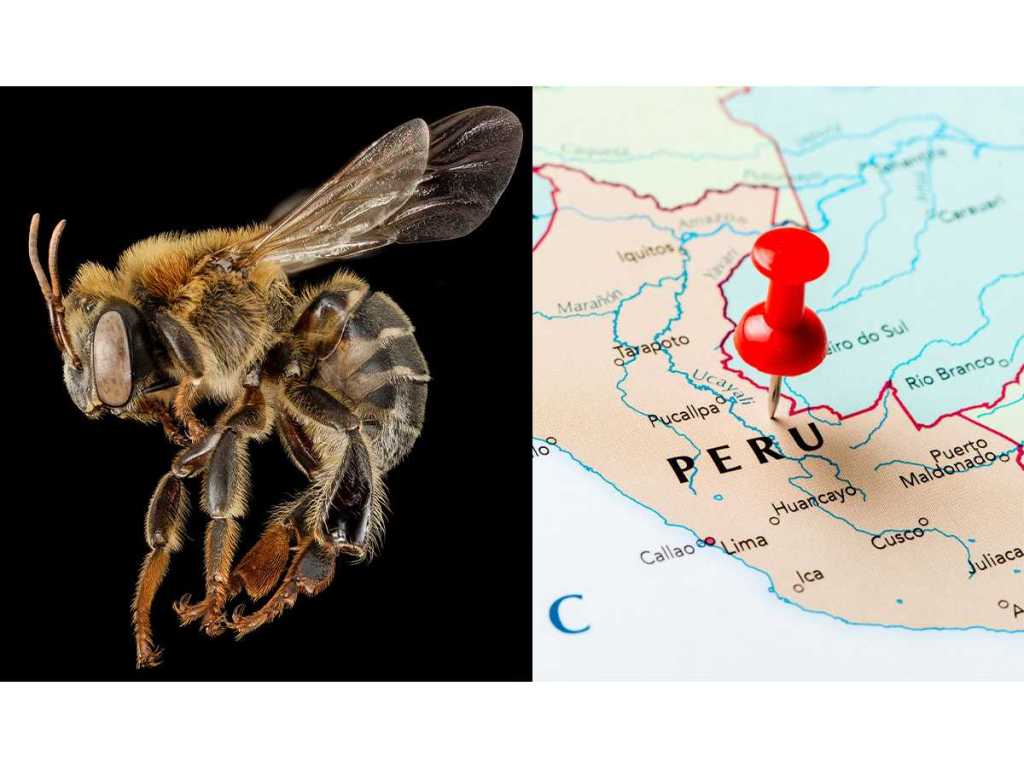
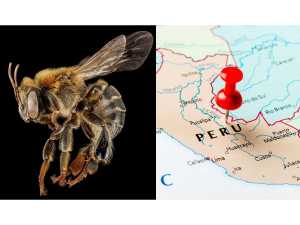
    (LEFT) Melipona stingless bee and (RIGHT) Map Peru with tac on AmazonPhoto credit: USGS Bee Inventory and Monitoring Lab/ Wikimedia Commons and Photo credit Canva

    For centuries, indigenous communities in Peru have relied on stingless bees. These crucial pollinators are responsible for the heavy lifting in maintaining a diverse ecosystem, preserving crops, forests, and even local culture.

    Tiny, stingless bees buzzing around the Peruvian Amazon just became the first insects in the world granted legal rights. In landmark legislation, these high-altitude bees have fundamental rights to flourish under penalty of law.

    2025 ordinance, Amazon Research International, pollinator, indigenous, ecosystem, harmful chemicals, nature, carbon capture
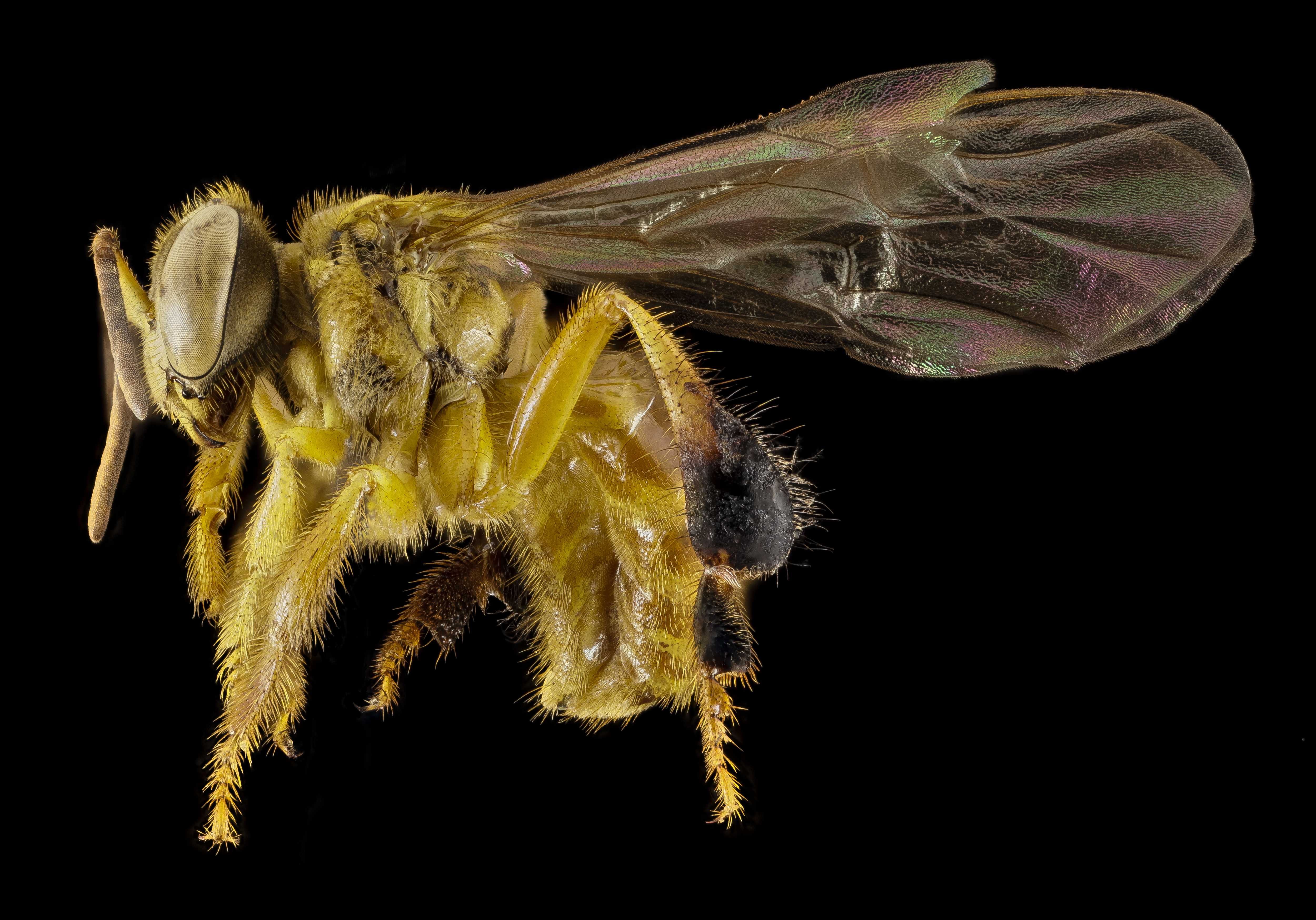
    Peru stingless bee. USGS Bee Inventory and Monitoring Lab/ Wikimedia Commons

    Historical moment as legal rights granted to the stingless bee

    A massive step toward conservation was made in Peru at the end of 2025. Two ordinances, the first in Satipo in October and the second in Nauta in December, gave the Peruvian stingless bee legal rights. The policies designed to give the bees a better chance for survival include restoring habitats, reining in harmful chemicals, supporting research, and implementing climate action.

    The law allows the Peruvian people to bring lawsuits on behalf of the insects. Rosa Vásquez Espinoza, founder of Amazon Research Internacional, a group attempting to preserve the ecosystem and Indigenous knowledge, was quoted in Smithsonian Magazine saying, “These bees are key to life in the Amazon.” Espinoza continued, “They are the most efficient pollinator of the most important crops we have here. But they are also indirectly contributing to carbon capture by keeping our forests and our trees alive and regenerating.”

    community, world health, local forest, fruit farming, seed productivity, religious practices, conservation, honey
    Indigenous Peruvian people. Photo credit Canva

    Indigenous community is highly reliant on stingless bees

    Indigenous people cultivate the bees for their honey and pollen. Their honey can be used for glue, candles, and even arrow-making. According to 2024 research in Springer Nature Link, there were 22 documented different uses for honey, ranging from food to religious practices.

    Conservation of the bees not only ensures genetic diversity for the wild species, but also helps secure the health of the local forest and ecosystem. In 2025, the Journal of Ecology and Environment reported that 75% of the local crops were supported by the bees, maintaining seed productivity and fruit farming.

    Stingless bees are important for the world’s health

    A 2025 study in Nature and Health Alliance found that 28 stingless bee species had medical health benefits in the treatment of cancer, type-2 diabetes, obesity, and COVID-19. A 2025 study in Science Direct showed the unique biochemical diversity of stingless bee honey had ecosystem adaptability, cultural uses, and met important food standards.

    Because of the bees’ adaptability in high-elevation areas, they are vital pollinators with a significant impact on ecosystem resilience and local agriculture. A 2024 study in Scientific Reports documented concerning annual losses of stingless bee colonies in Latin America. The need for bee conservation was highlighted by a fragile balance between bee management and sustainable farming.

    Stingless bees are essential caretakers of tropical ecosystems all over the world. Like in the Peruvian Amazon, hundreds of different plant species are supported by bee pollination and used to feed local communities. With climate change and habitat loss, legal attention and lawful rights can hopefully shift the balance to save these vital, tiny pollinators.

    Watch this short documentary on the indigenous Asháninka people’s beekeeping in Peru:

Explore More Environment Stories

Environment

Plastic pollution is a global mess and bamboo could be our way to dig out of it

Environment

95.9 percent of all new car sales in Norway are now fully electric

Environment

Tiny, stingless bees in the Amazon just became the first insects in the world granted legal rights

Environment

Incredible video shows people speaking English in 65 accents