





If you didn't know, kidney stones are far more common than you might think. And the current treatment options aren't great. But Canada may be coming to the rescue.
Researchers at the University of Waterloo have developed a breakthrough treatment for kidney stones that uses robots as small as a grain of rice to target the stones.
Dissolving kidney stones using tiny robots
According to the university, soft, flexible robotic strips are magnetized and maneuvered into place using magnets attached to a robotic arm. Each strip, small enough to pass safely through the urinary system, is infused with an enzyme called urease. Once placed near a uric acid kidney stone, the urease quickly dissolves it.
The study, published in Advanced Healthcare Materials, reported that the stones shrank by about 30% within five days. The remaining fragments can then pass naturally through the body, eliminating the need for surgery.
"There is currently no good treatment method available for this type of kidney stone," said Dr. Veronika Magdanz, an assistant professor of systems design engineering at the University of Waterloo. "Patients are typically prescribed painkillers and oral dissolving medication that provides slow relief over the course of weeks or months. And in urgent cases, when stones block the urine flow, they must be surgically removed."
Before testing on humans, the researchers need to evaluate the safety of the magnets and how the strips move in urine. They also plan to continue refining the control system and use real-time ultrasound imaging to accurately position the strips near kidney stones. They believe this targeted approach could help reduce risk factors and lower costs.
"Our goal is to provide an effective alternative to existing treatment methods," Magdanz said. "We hope accelerated stone dissolution will relieve the pain faster and help patients pass stones quicker."
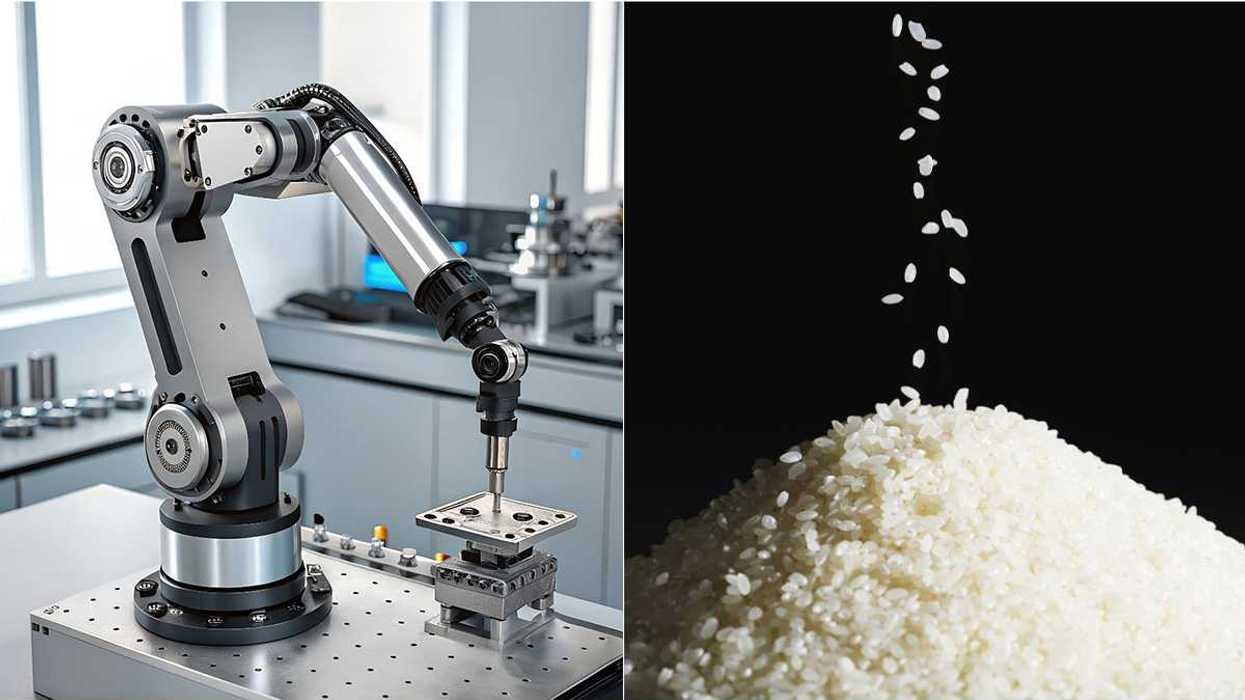 Left: A robotic arm. Right: Rice grains.Photo credit: Canva
Kidney stones are a global urological condition
A 2024 study published in Springer Nature Link described kidney stones, or urolithiasis, as solid deposits of mineral salts and crystals that form in the kidneys or urinary tract. Different types of stones can cause pain, obstruction, infection, and recurrence if not properly prevented or treated. Individuals at higher risk tend to have more concentrated urine, lower urine volume, or decreased urinary pH.
A 2025 study published in the National Library of Medicine found that as many as 13% of the North American population experience kidney stones. This costly medical condition has been on the rise, particularly among men, since 2000. Advances in laser, AI, and robot-assisted surgeries have helped reduce complications and improve patient outcomes.
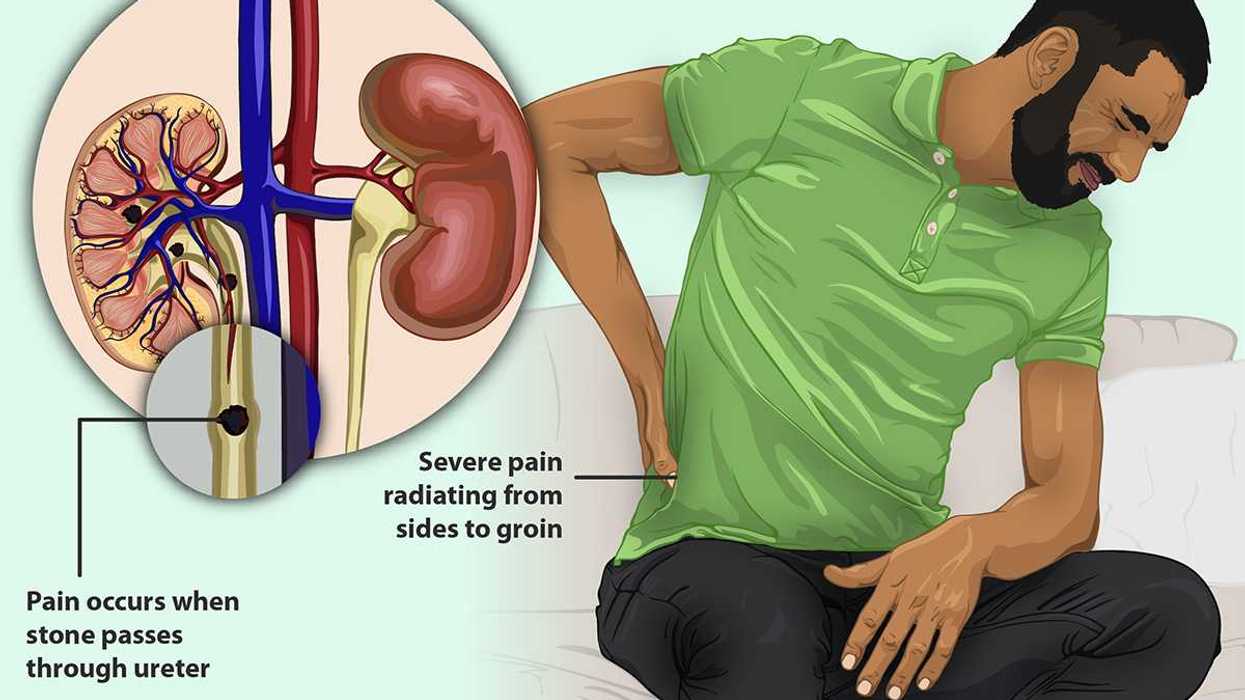 A diagram on kidney stones.myupchar/ Wikimedia Commons
The innovative approach developed by researchers at the University of Waterloo could offer a safer, non-surgical way to treat kidney stones and other urinary system conditions with pinpoint accuracy.









 Christy Lam-Julian, a mother in Pinole, Calif., reads to her son in April 2025.
 Children who read bedtime stories with their parents are likely to benefit from a boost in creativity – especially if they consider questions about the books.




 Winter weather.
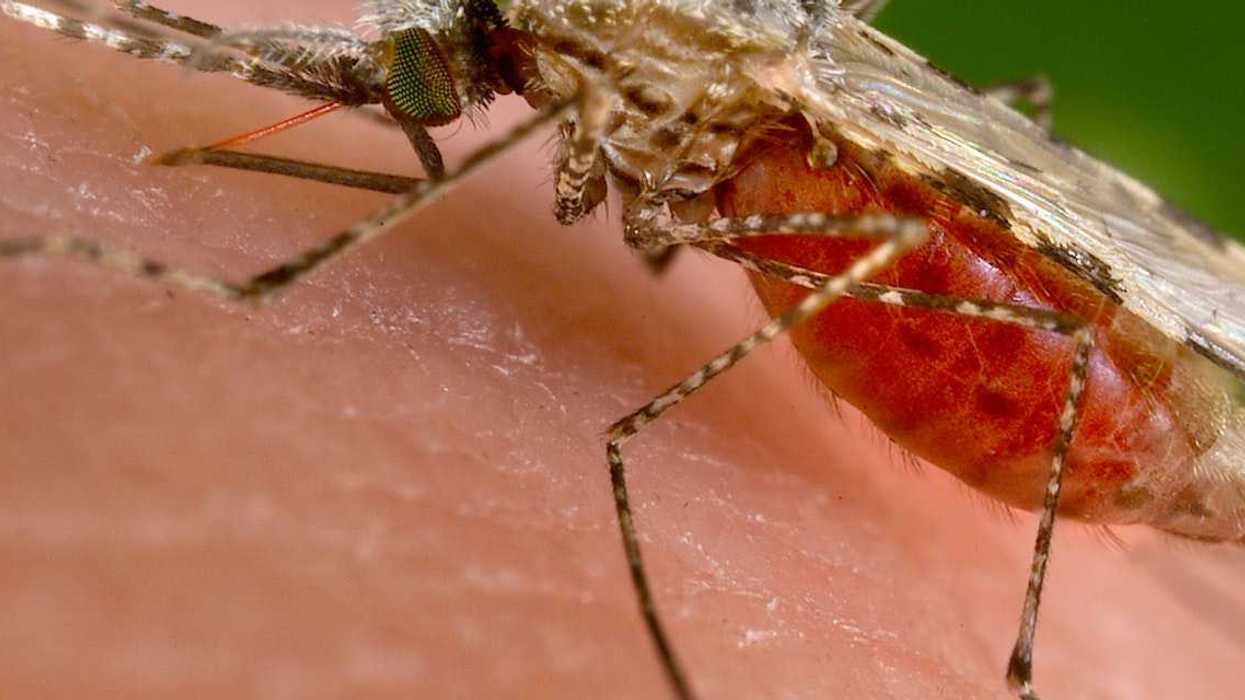
 In the past two years, two malaria vaccines have become available for babies starting at 5 months of age.
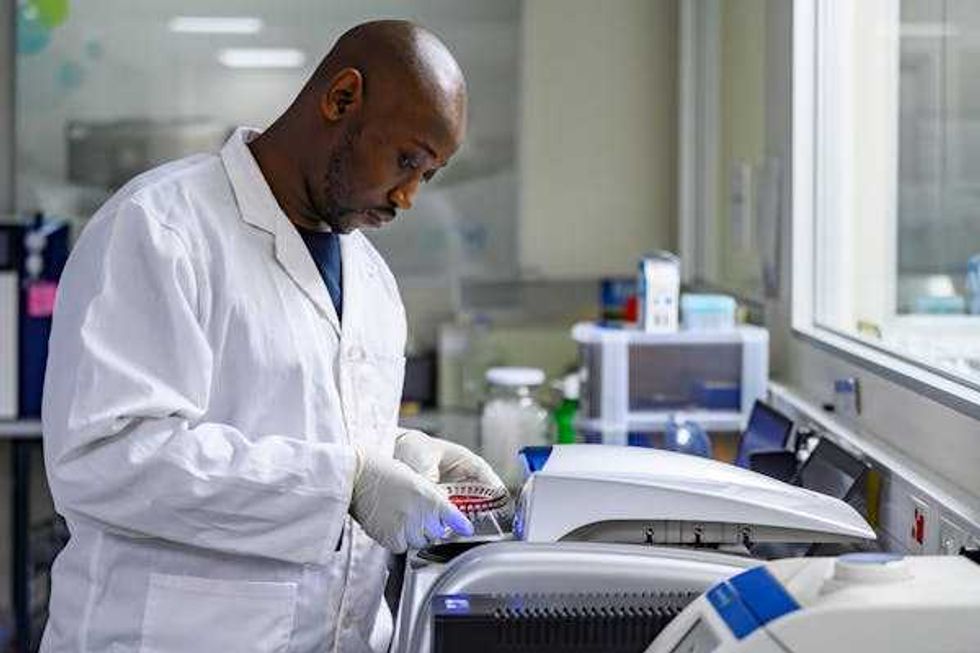 By exploiting vulnerabilities in the malaria parasite’s defense system, researchers hope to develop a treatment that blocks the parasite from entering cells.
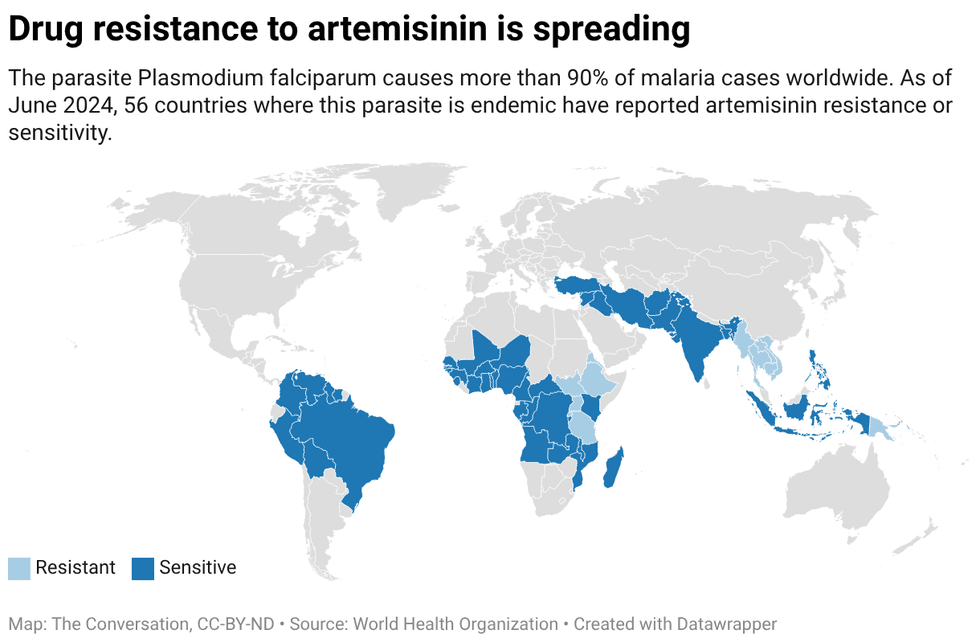 Created with