
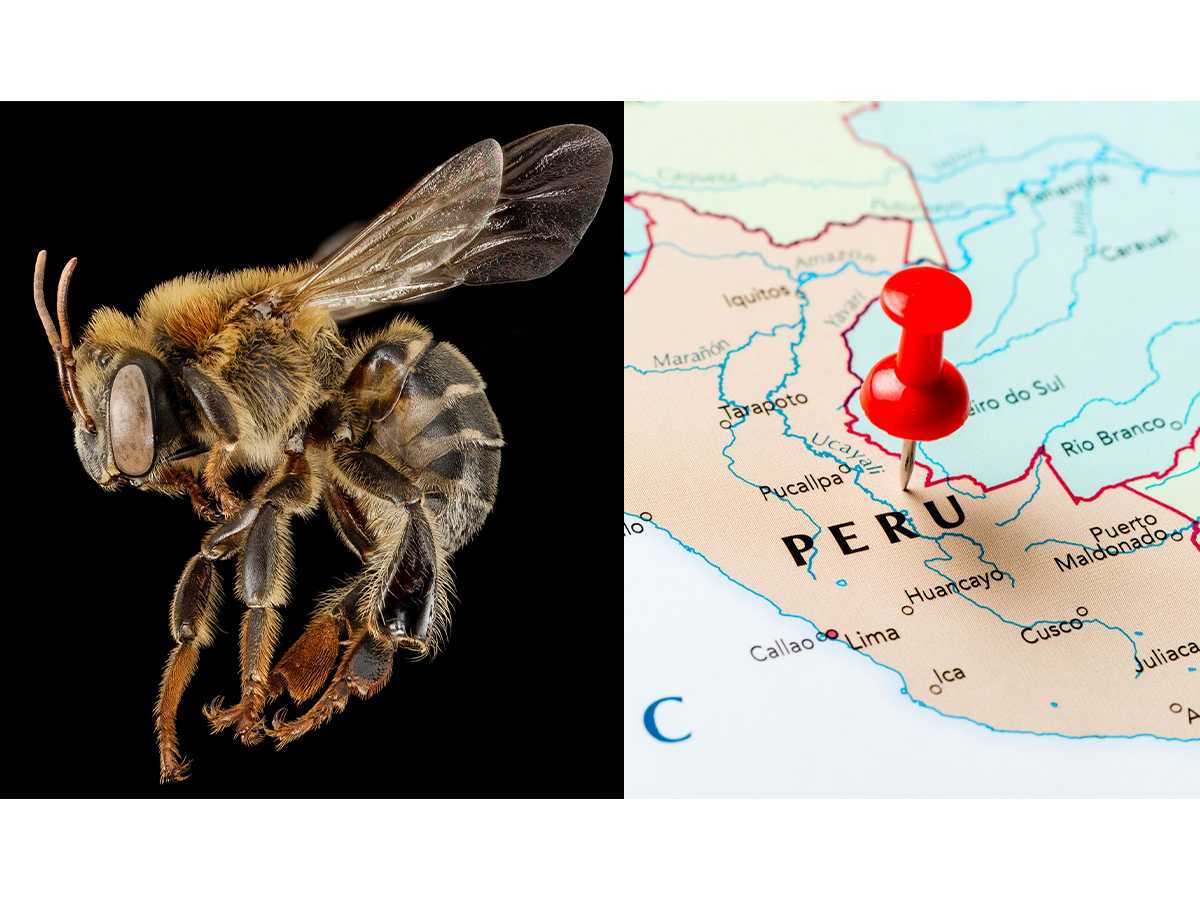
For centuries, indigenous communities in Peru have relied on stingless bees. These crucial pollinators are responsible for the heavy lifting in maintaining a diverse ecosystem, preserving crops, forests, and even local culture.
Tiny, stingless bees buzzing around the Peruvian Amazon just became the first insects in the world granted legal rights. In landmark legislation, these high-altitude bees have fundamental rights to flourish under penalty of law.
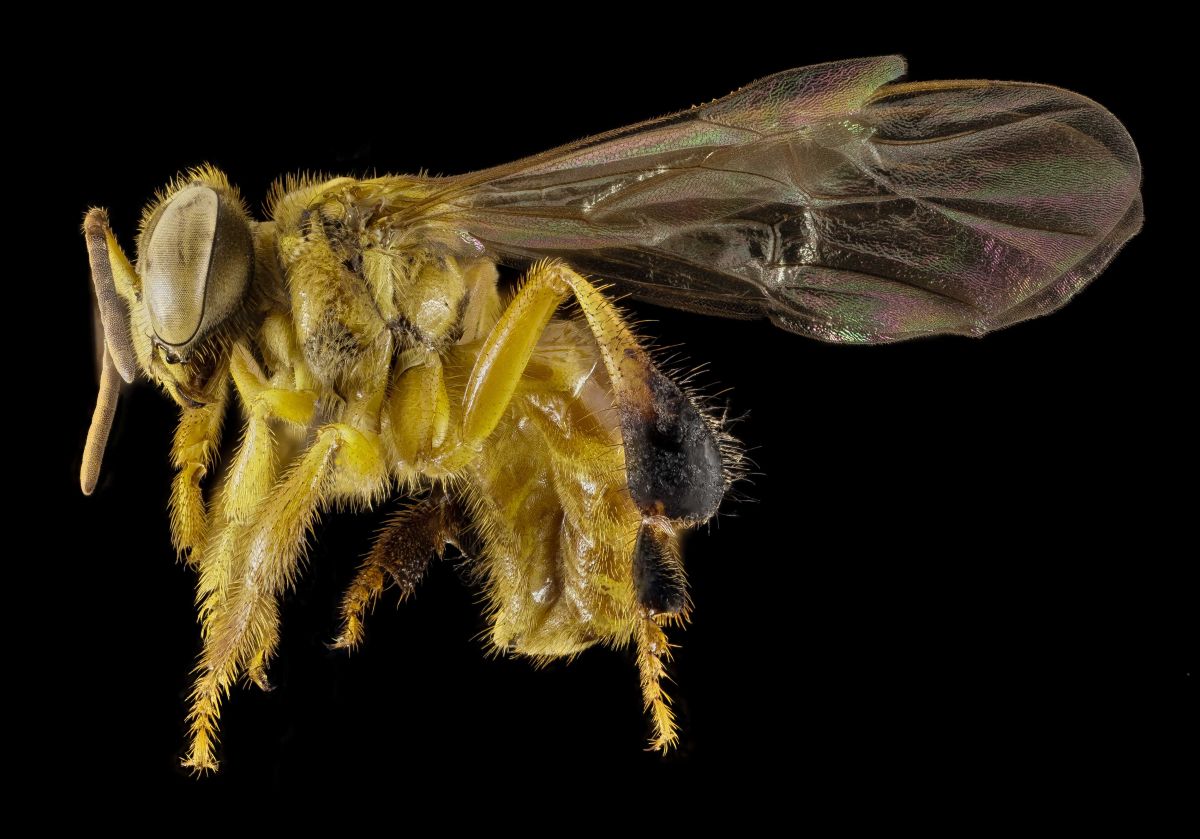
Historical moment as legal rights granted to the stingless bee
A massive step toward conservation was made in Peru at the end of 2025. Two ordinances, the first in Satipo in October and the second in Nauta in December, gave the Peruvian stingless bee legal rights. The policies designed to give the bees a better chance for survival include restoring habitats, reining in harmful chemicals, supporting research, and implementing climate action.
The law allows the Peruvian people to bring lawsuits on behalf of the insects. Rosa Vásquez Espinoza, founder of Amazon Research Internacional, a group attempting to preserve the ecosystem and Indigenous knowledge, was quoted in Smithsonian Magazine saying, “These bees are key to life in the Amazon.” Espinoza continued, “They are the most efficient pollinator of the most important crops we have here. But they are also indirectly contributing to carbon capture by keeping our forests and our trees alive and regenerating.”
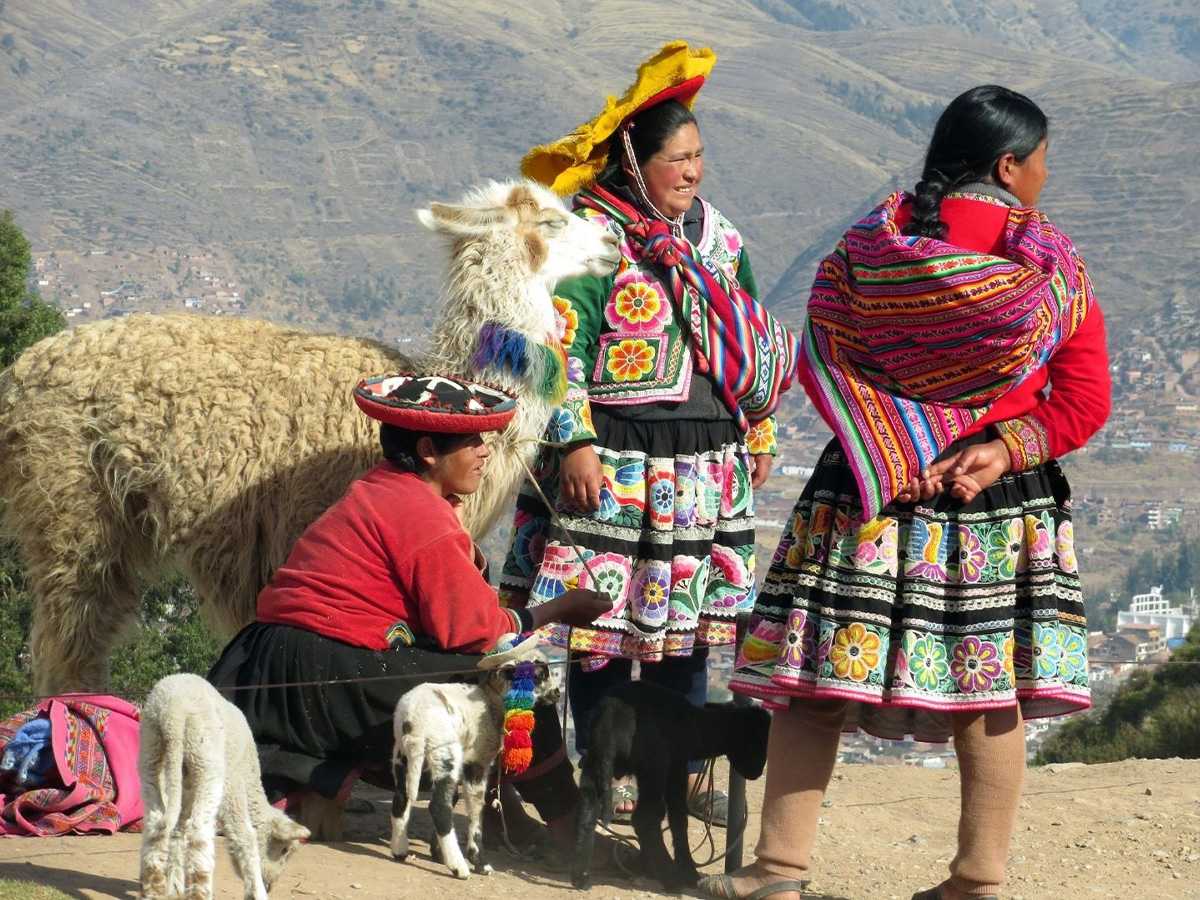
Indigenous community is highly reliant on stingless bees
Indigenous people cultivate the bees for their honey and pollen. Their honey can be used for glue, candles, and even arrow-making. According to 2024 research in Springer Nature Link, there were 22 documented different uses for honey, ranging from food to religious practices.
Conservation of the bees not only ensures genetic diversity for the wild species, but also helps secure the health of the local forest and ecosystem. In 2025, the Journal of Ecology and Environment reported that 75% of the local crops were supported by the bees, maintaining seed productivity and fruit farming.
Stingless bees are important for the world’s health
A 2025 study in Nature and Health Alliance found that 28 stingless bee species had medical health benefits in the treatment of cancer, type-2 diabetes, obesity, and COVID-19. A 2025 study in Science Direct showed the unique biochemical diversity of stingless bee honey had ecosystem adaptability, cultural uses, and met important food standards.
Because of the bees’ adaptability in high-elevation areas, they are vital pollinators with a significant impact on ecosystem resilience and local agriculture. A 2024 study in Scientific Reports documented concerning annual losses of stingless bee colonies in Latin America. The need for bee conservation was highlighted by a fragile balance between bee management and sustainable farming.
Stingless bees are essential caretakers of tropical ecosystems all over the world. Like in the Peruvian Amazon, hundreds of different plant species are supported by bee pollination and used to feed local communities. With climate change and habitat loss, legal attention and lawful rights can hopefully shift the balance to save these vital, tiny pollinators.
Watch this short documentary on the indigenous Asháninka people’s beekeeping in Peru:













.jpg)
.jpg)