Scientists find a way to plant ideas in dreams through sound cues to improve problem solving
The results the following day were remarkable.

Scientists could implant ideas during R.E.M. sleep cycles.



Facebook is critical to our success and we could use your help. It will only take a few clicks on your device. But it would mean the world to us.

Here’s the link . Once there, hit the Follow button. Hit the Follow button again and choose Favorites. That’s it!









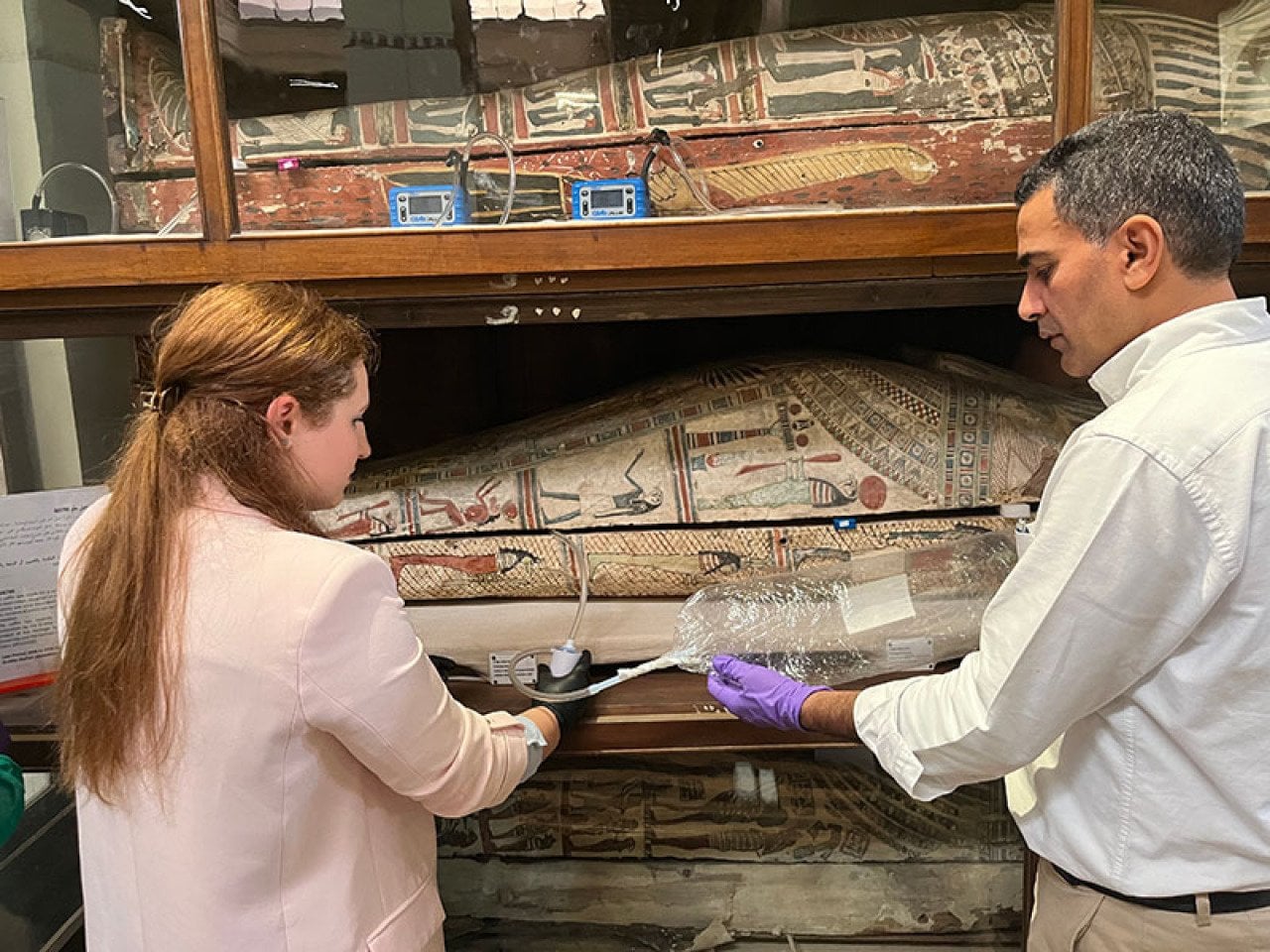


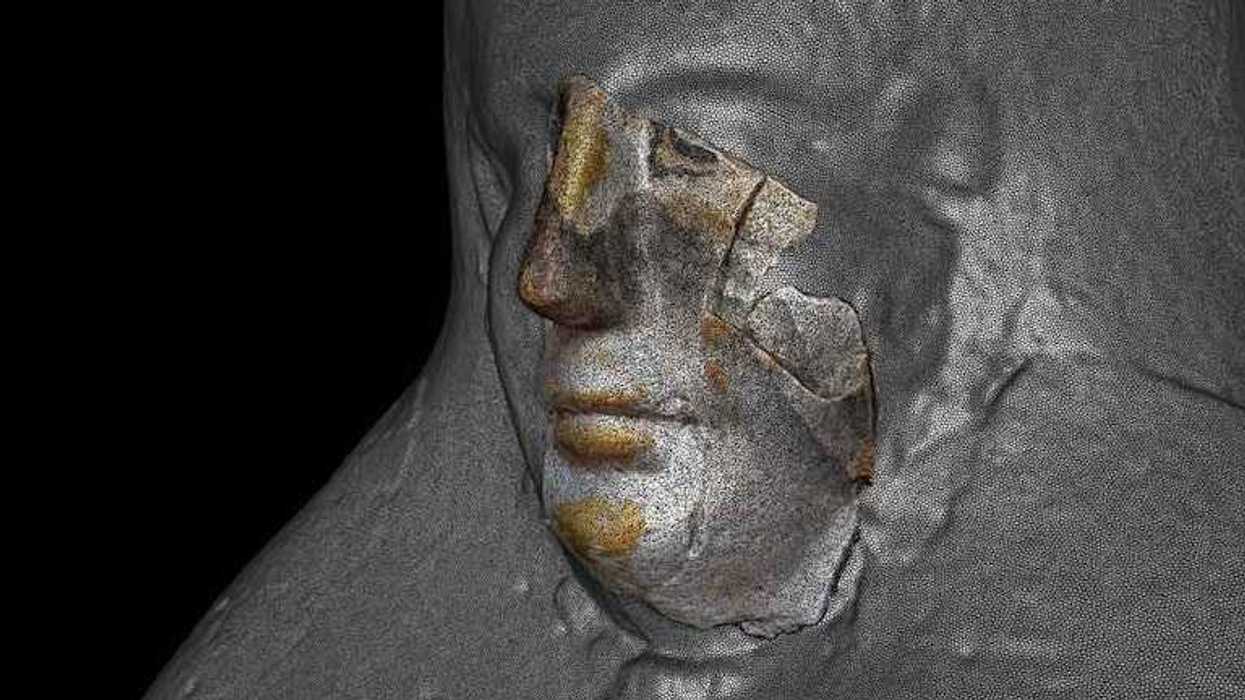
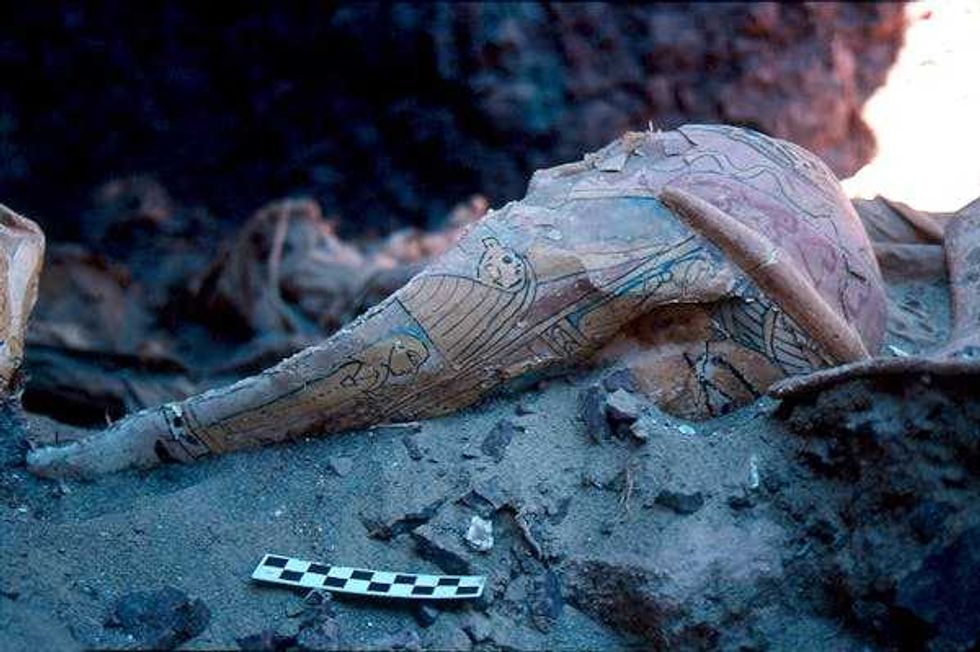 Reuse over time and looting shifted and damaged the contents of an ancient Egyptian tomb. This displaced mummy mask could have a relationship to other artifacts already in museums around the world.Carlo Rindi Nuzzolo
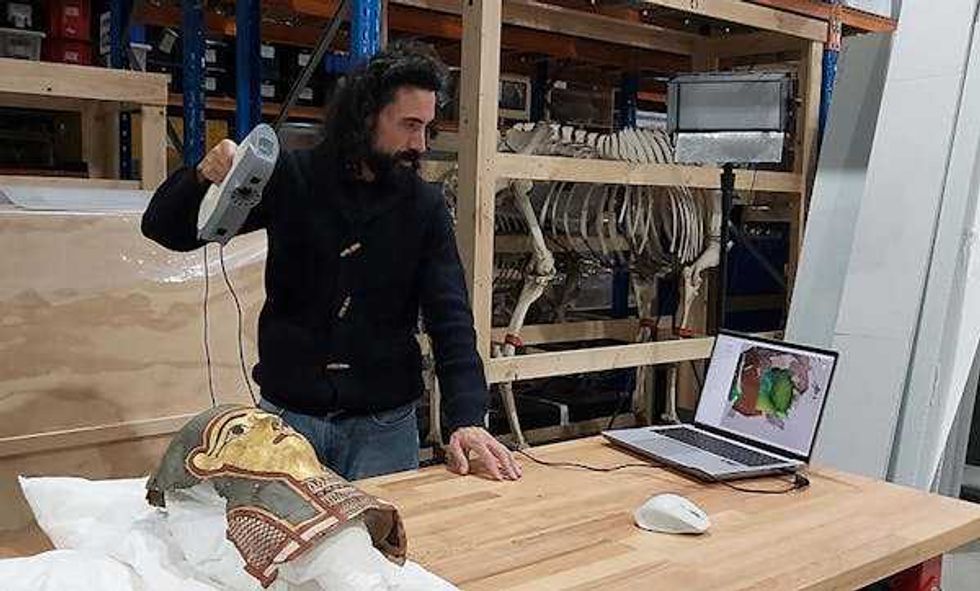 Archaeologists can use handheld 3D scanners to noninvasively map objects in very fine detail.Carlo Rindi Nuzzolo
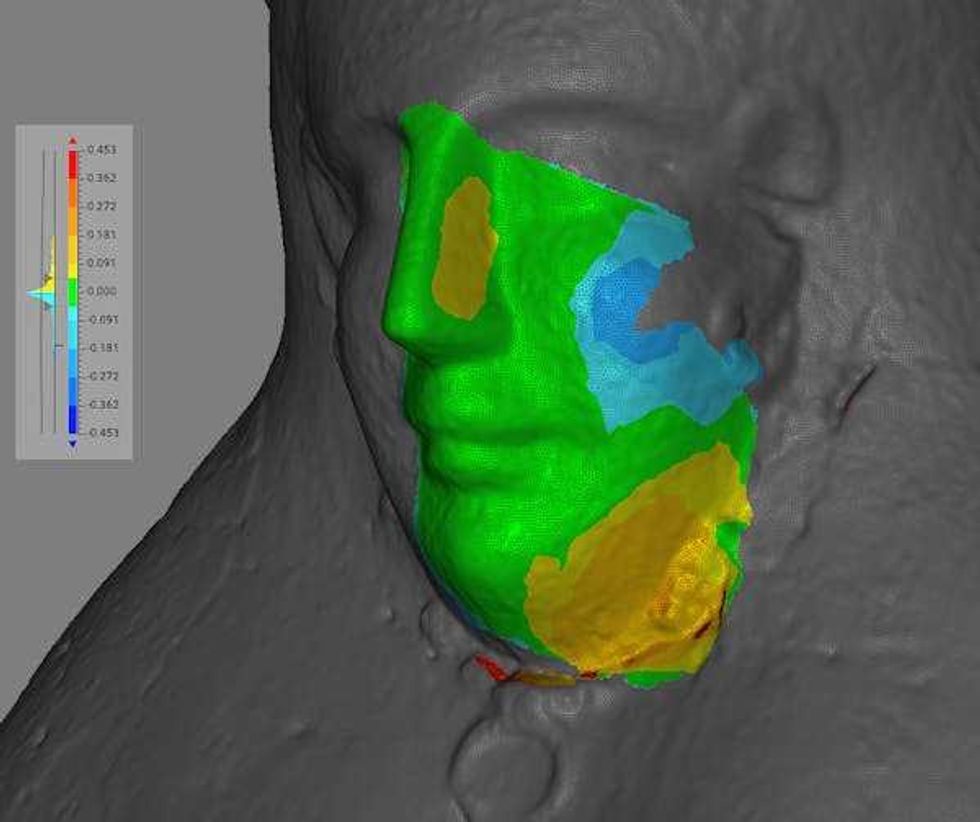 The mask reference surface is shown in gray, while the aligned fragment is colored based on the surface-to-surface distance at each point. Green indicates a good match with almost no distance. Cooler colors show areas where the fragment lies below the reference mask, and warmer colors show where it lies above.Carlo Rindi Nuzzolo
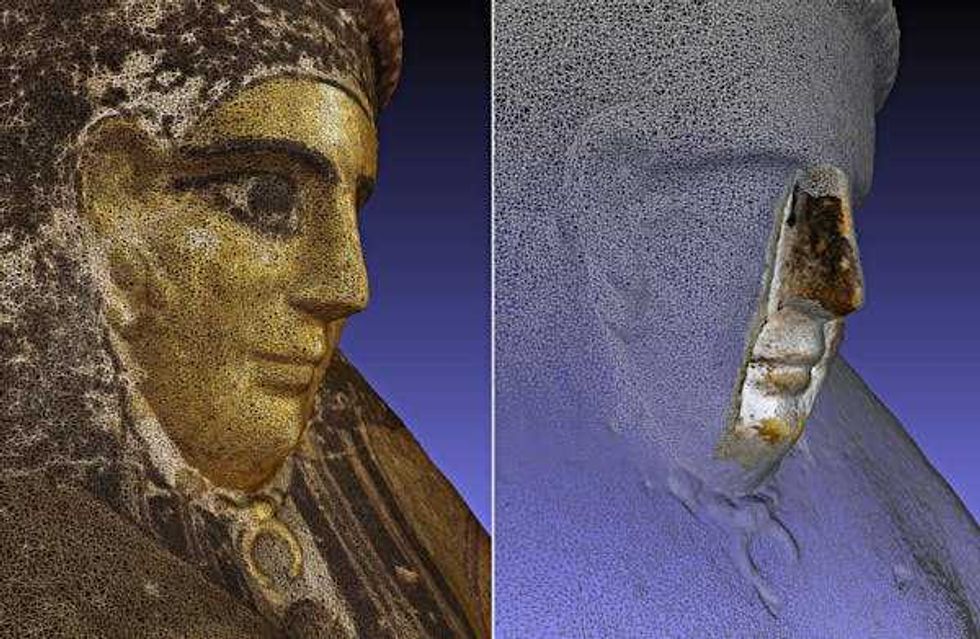 The mask fragment was a very close match to a complete mask, suggesting they were made in the same mold.Carlo Rindi Nuzzolo
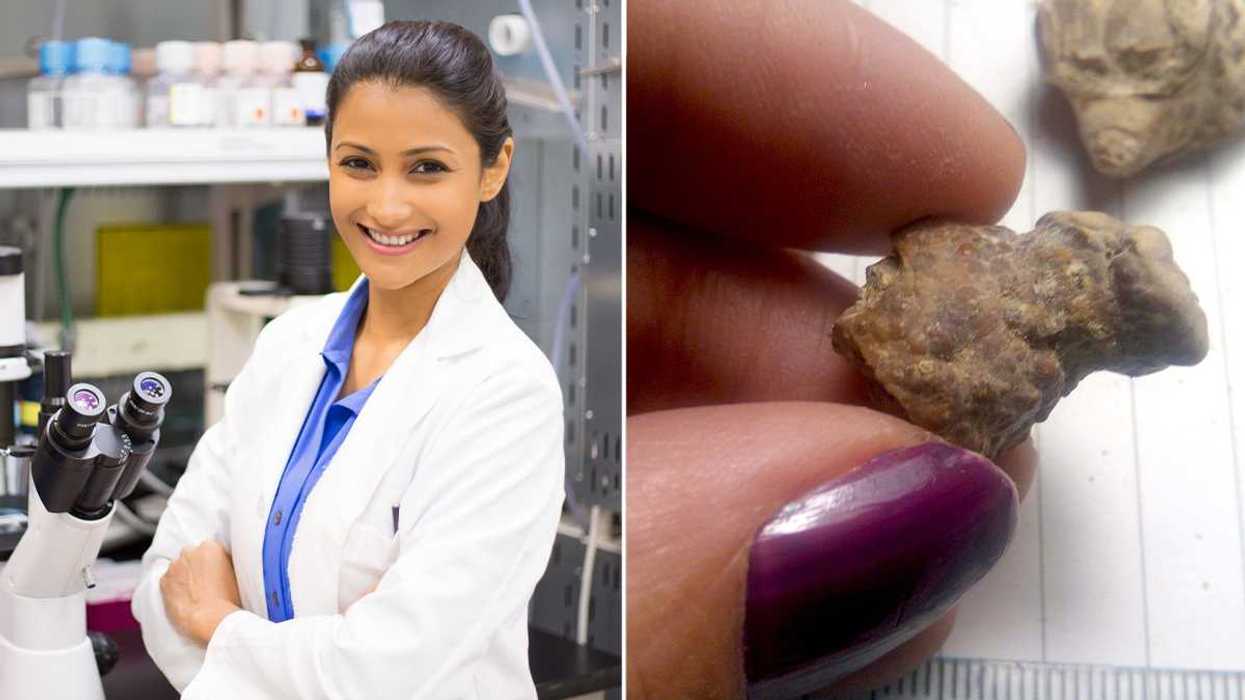
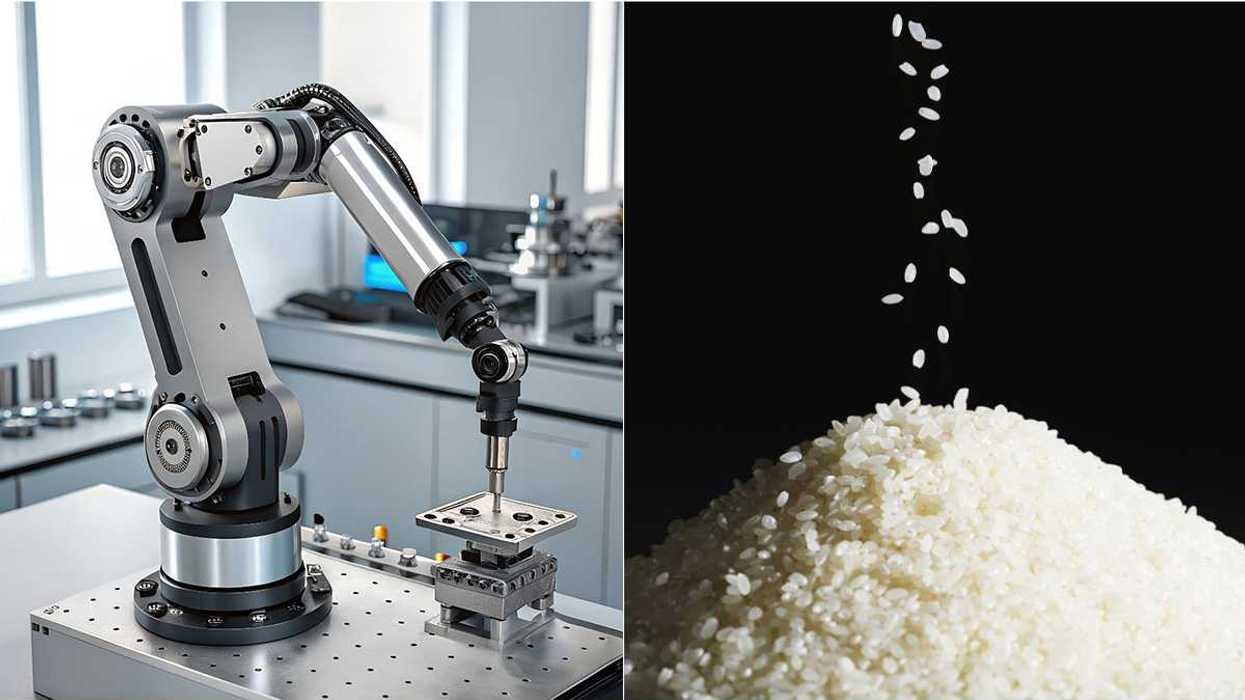 Left: A robotic arm. Right: Rice grains.Photo credit:
  A diagram on kidney stones.myupchar/
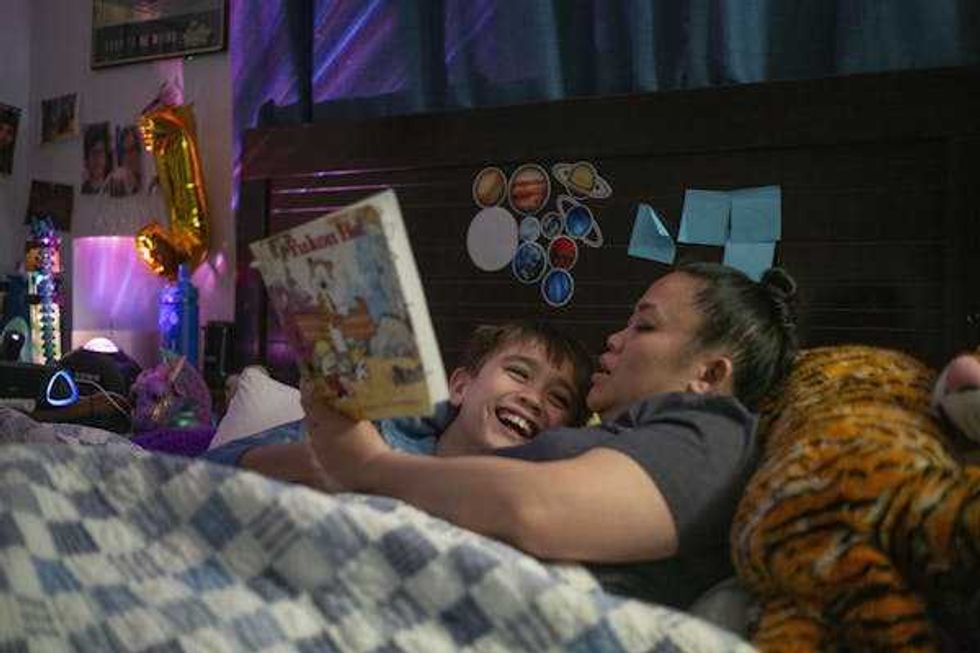 Christy Lam-Julian, a mother in Pinole, Calif., reads to her son in April 2025.
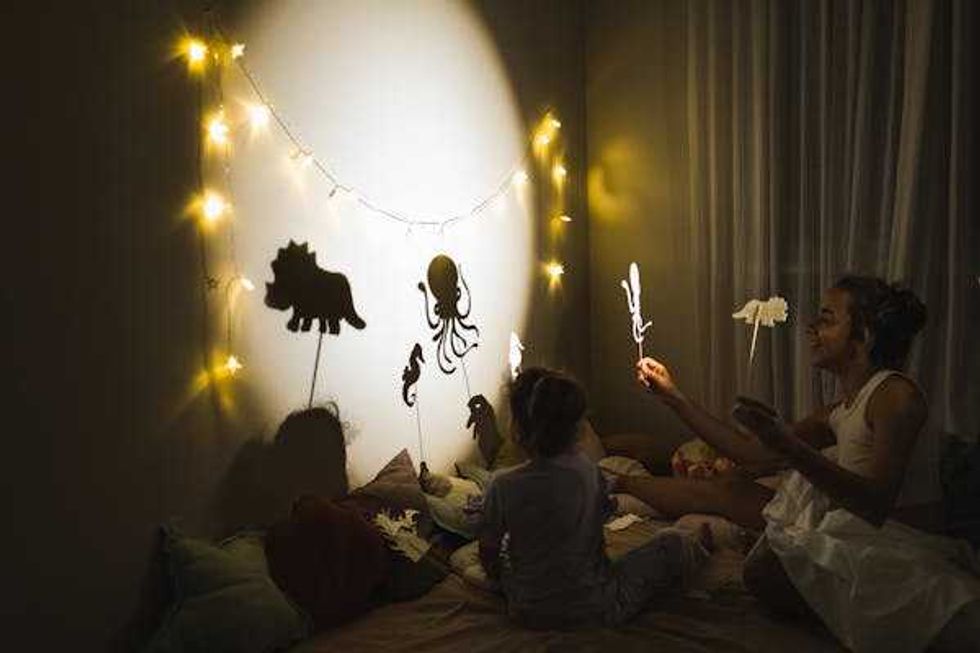 Children who read bedtime stories with their parents are likely to benefit from a boost in creativity – especially if they consider questions about the books.