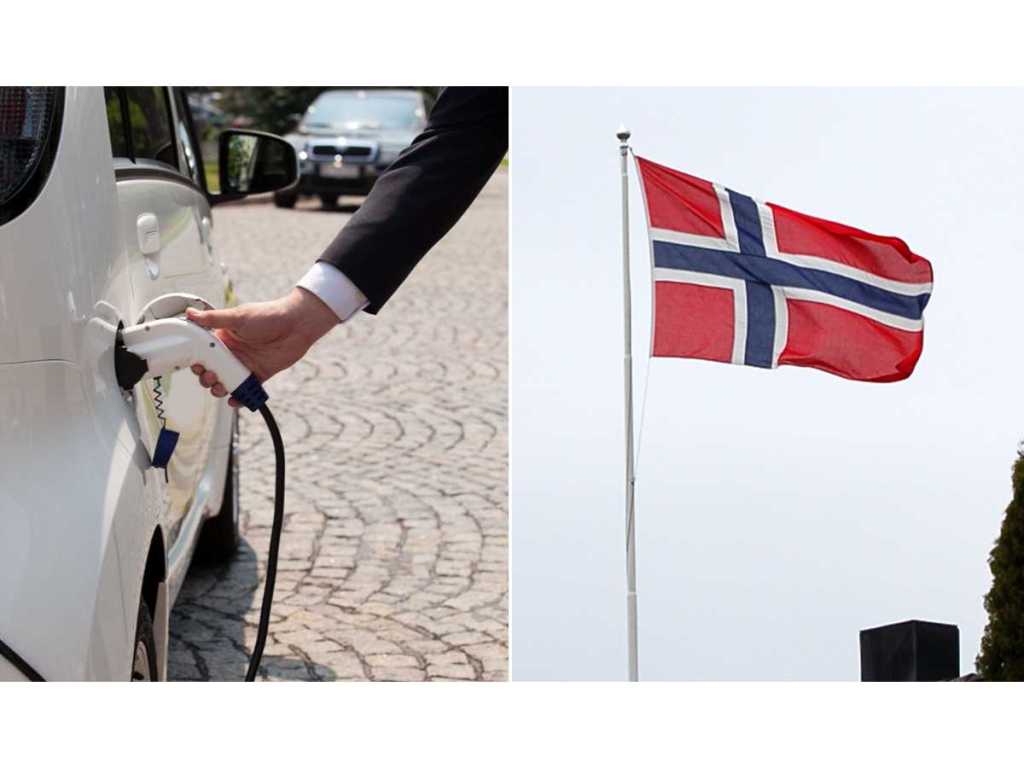
Electric cars have emerged as one of the most promising tools for cutting emissions and lightening the heavy footprint caused by carbon-based fuels. While the United States continues to face challenges like cost, infrastructure, and consumer confidence, Norway has achieved what once seemed impossible.
In 2025, nearly all new cars purchased in Norway were fully electric. Understanding how Norway succeeded offers valuable insight into how the U.S. could better transition to cleaner transportation.
How is Norway going green with EVs?
Of the new cars registered in Norway for 2025, 95.9% were electric vehicles (EVs). The country's move toward EVs was successful not only in pushing short-term strategies, but also in thinking beyond the horizon. In a country known for its cold, mountainous terrain, it seemed an unlikely place for moving off petrol-based cars. After all, with the limited travel distance by electric cars and the need for expensive infrastructure like charging stations, it doesn't seem like a good pairing.
The Norwegian government started by making electric vehicles cheaper. Norway has an expensive value-added tax (VAT) that makes new cars more expensive. To encourage purchases of the more carbon-efficient vehicles, this tax, as well as import duties, were waived. They reduced parking fees, tolls, and ferry fees, adding more incentives to make EVs less costly overall than fossil-fuel cars.
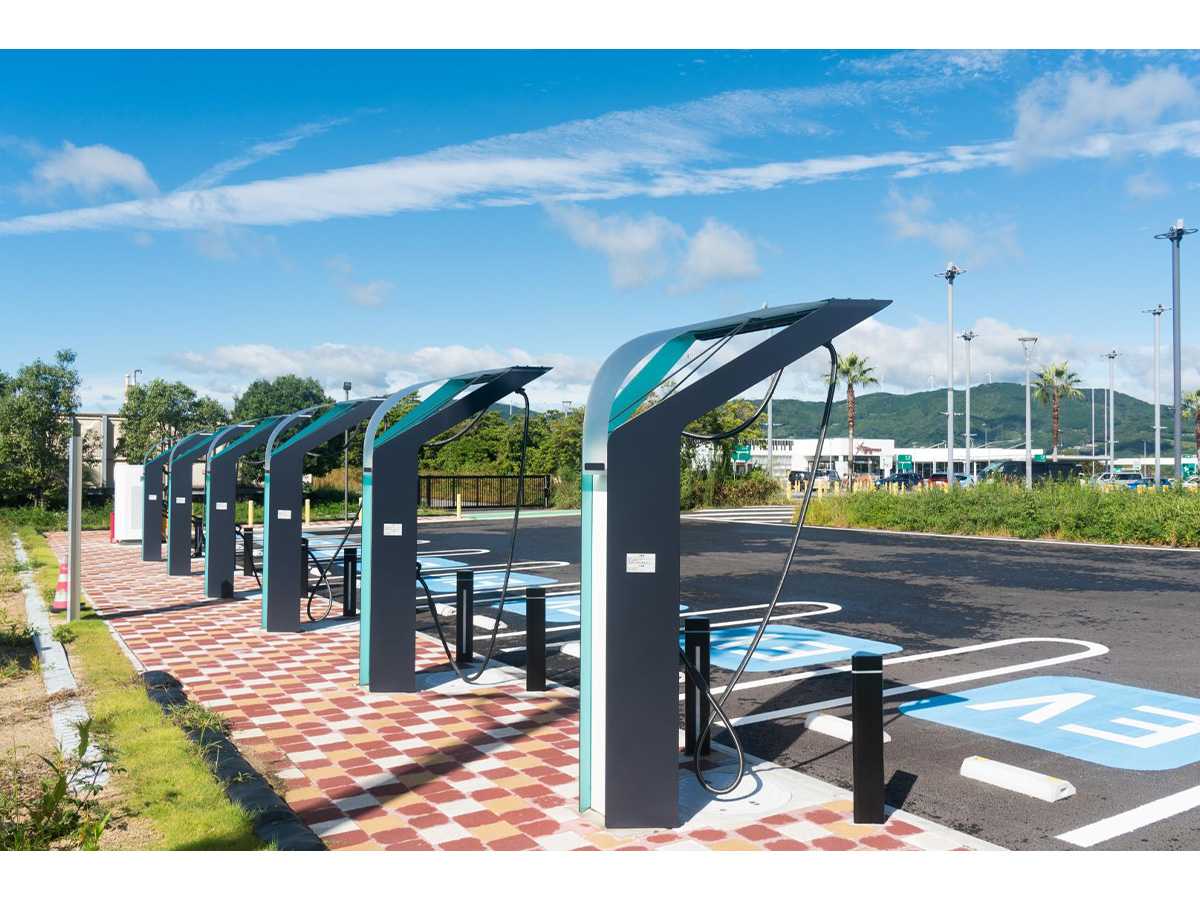
Norway also invested in creating an extensive infrastructure, making access to even the most remote areas possible with an electric car. A 2025 study showed Norway's EV infrastructure was advocated through strategic fast-charger placement and ongoing innovation. They built over 27,000 public charging points nationwide capable of serving 447 chargers for every 100,00 people.
Yet, it's not only tax incentives and infrastructure that brought about the monumental move toward greener transportation. Clean and reliable electricity from Norway's hydropower stations means the grid itself is more world-conscious. Their consistent long-term policies have kept incentives in place for many years, giving consumers and the automakers more confidence in making a greener future.
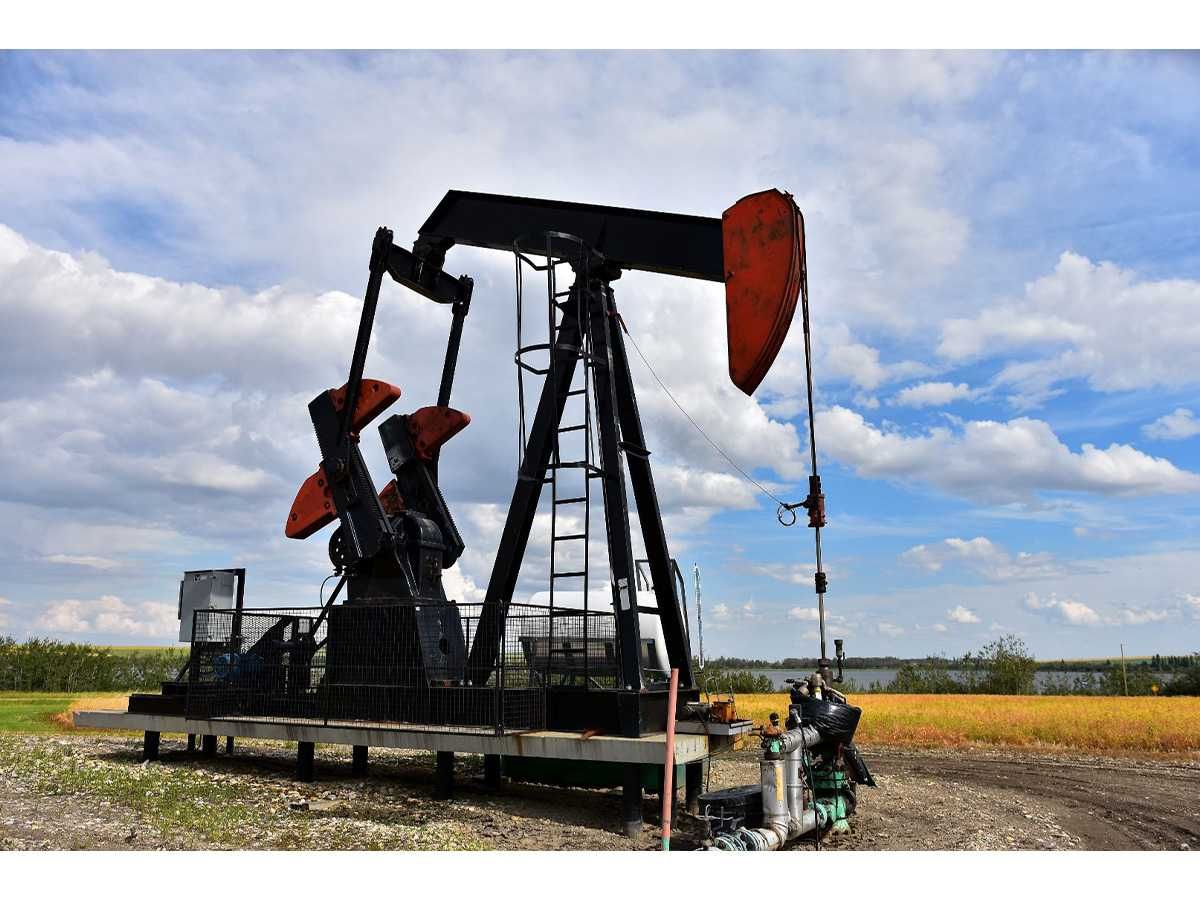
The benefits of the EV carbon footprint versus fossil fuel-powered vehicles
The benefits of EVs are not as cut and dry as we've been led to believe. A 2025 study revealed that electric cars produce more pollution, especially from the manufacturing of batteries, than gas cars during initial creation. But after about two years, electric vehicles become cleaner. They help reduce harmful air pollution and cause much less damage to human health on the planet—about one-third as much.
EVs are expected to increase environmental benefits in the coming years, much like solar and wind. According to the U.S. Department of Energy, not only are electric vehicles more energy-efficient, but they also have lower fuel costs over time and reduce the carbon footprint. The value is significant in areas with less-clean electricity and even more so in areas powered by renewable sources. A 2024 study by the University of Houston showed the environmental benefits grew over time. Not only was there improved air quality as well as reduced fuel and energy costs, but there were also fewer premature deaths.

USA struggles to find a stronger footing with EVs
Electric cars have been more difficult to adopt in the United States. A 2024 study showed that the upfront costs of an EV were a significant reason for consumer hesitation. Trends show buyers want cars under $45,000, and most are priced much higher than that. Also, there is a significant lack of infrastructure without charging stations available or reliable enough to make people comfortable with the switch, a term described as "range anxiety."
Concerns over maintenance, long-term costs, battery repair, and reliability makes the purchase less likely. Analysis from industry leaders revealed that fewer attractive options make it harder to connect with the average buyer. In 2021,The National Bureau of Economic Research reported that government incentives and sociopolitical differences across states made EV demand uneven.
Norway has done something significant in the race to find more sustainable ways to meet energy demands while decreasing the amount of harm to the environment. The success of the EVs demonstrates that large-scale change happens when clean choices become easier and cheaper. The small country offers a powerful blueprint of sustained policy, smart infrastructure investment, and practical incentives to shift behavior. With culture wars, consumer perception, and resistance to simple virtue signaling, the US has a challenging road to follow. Hopefully, Norway has set a standard and path worth trying anyway.









Peru stingless bee.USGS Bee Inventory and Monitoring Lab/
Indigenous Peruvian people.Photo credit 
Representative Image: Accents reveal heritage and history.
Representative Image: Even unseen you can learn a lot from an accent. 

Rice grain and white rice.Image via
Person eats rice.Image via
Washing and rinsing rice.
Mother and daughter eating rice meal.Image via 

Bees feeding on food source.Image via 
In the depths...Pexels | francesco ungaro
Hope the lights stay on. Pexels | parfait fongang
"That was beyond crazy..." YouTube |
"This is the stuff of my nightmares..."YouTube |
"Totally blown away..." YouTube |
President Donald J. Trump and photo of a forest.
Public united and adamantly opposes Trump’s plan to roll back the Roadless Rule
There doesn't seem to be much agreement happening in the U.S. right now. Differing moral belief systems, economic disparity, and political divide have made a country with so many positives sometimes feel a little lost. Everyone desperately seeks a niche, a connection, or a strong sense of community to which they can feel a "part of," rather than just "apart."
But there seems to be one thing that the country strongly unites over, and that's the "Roadless Rule." With the Trump Administration attempting to roll back conservation policies that protect U.S. National Forests, Americans are saying in harmony an emphatic "No." A nonpartisan conservation and advocacy organization, the Center for Western Priorities, reviewed a comment analysis on the subject. After receiving 223,862 submissions, a staggering 99 percent are opposed to the president's plan of repeal.
What is the 'Roadless Rule' policy implemented in 2001?
The Roadless Rule has a direct impact on nearly 60 million acres of national forests and grasslands. According to the U.S. Department of Agriculture, the rule prohibits road construction and timber harvests. Enacted in 2001, it is a conservation rule that protects some of the least developed portions of our forests. It's considered to be one of the most important conservation wins in U.S. history.
America's national forests and grasslands are diverse ecosystems, timeless landscapes, and living treasures. They sustain the country with clean water and the wood products necessary to build our communities. The National Parks protected under their umbrella offer incredible recreational retreats and outdoor adventure.
Why does the administration want to roll it back?
U.S. Secretary of Agriculture Brooke L. Rollins told the Department of Agriculture in a 2025 press release, “We are one step closer to common sense management of our national forest lands. Today marks a critical step forward in President Trump’s commitment to restoring local decision-making to federal land managers to empower them to do what’s necessary to protect America’s forests and communities from devastating destruction from fires." Rollins continued, “This administration is dedicated to removing burdensome, outdated, one-size-fits-all regulations that not only put people and livelihoods at risk but also stifle economic growth in rural America. It is vital that we properly manage our federal lands to create healthy, resilient, and productive forests for generations to come. We look forward to hearing directly from the people and communities we serve as we work together to implement productive and commonsense policy for forest land management.”
Forest Service Chief Tom Schultz explained the Roadless Rule frustrated land management and acts as a challenging barrier to action. It prohibits road construction needed to navigate wildfire suppression and properly maintain the forest. Schultz said, “The forests we know today are not the same as the forests of 2001. They are dangerously overstocked and increasingly threatened by drought, mortality, insect-borne disease, and wildfire. It’s time to return land management decisions where they belong – with local Forest Service experts who best understand their forests and communities."
Why are people adamantly opposed to the proposed rollback?
A 2025 article in Earthjustice, a nonprofit environmental law organization, expressed its concern over the protection of national forests covering 36 states and Puerto Rico. A rescinded rule allows increased logging, extractive development, and oil and gas drilling in previously undisturbed backcountry. Here is what some community leaders had to say about it:
President Gloria Burns, Ketchikan Indian Community, said, "You cannot separate us from the land. We depend on Congress to update the outdated and predatory, antiquated laws that allow other countries and outside sources to extract our resource wealth. This is an attack on Tribes and our people who depend on the land to eat. The federal government must act and provide us the safeguards we need or leave our home roadless. We are not willing to risk the destruction of our homelands when no effort has been made to ensure our future is the one our ancestors envisioned for us. Without our lungs (the Tongass) we cannot breathe life into our future generations.”
Linda Behnken, executive director of the Alaska Longline Fishermen’s Association, stated, "Roadbuilding damaged salmon streams in the past — with 240 miles of salmon habitat still blocked by failed road culverts. The Roadless Rule protects our fishing economy and more than 10,000 jobs provided by commercial fishing in Southeast Alaska.”
The Sierra Club's Forest Campaign Manager Alex Craven seemed quite upset, saying, "The Forest Service followed sound science, economic common sense, and overwhelming public support when they adopted such an important and visionary policy more than 20 years ago. Donald Trump is making it crystal clear he is willing to pollute our clean air and drinking water, destroy prized habitat for species, and even increase the risk of devastating wildfires, if it means padding the bottom lines of timber and mining companies.”
The 2025 recession proposal would apply to nearly 45 million acres of the national forests. With so many people writing in opposition to the consensus, the public has determined they don't want it to happen.
Tongass National Forest is at the center of the Trump administration's intention to roll back the 2001 Roadless Rule. You can watch an Alaska Nature Documentary about the wild salmon of Tongass National Forrest here:
- YouTube www.youtube.com
The simple truth is we elect our public officials to make decisions. The hope is they do this for all of our well-being, although often it seems they do not. Even though we don't have much power to control what government officials do, voicing our opinions strongly enough often forces them to alter their present course of action. With a unanimous public voice saying, "No!" maybe this time they will course correct as the public wishes.