
As we age, it’s often in reflecting that we get to see where we might have been able to make better choices. Some find it easy to move on, while others can get lost in ruminating on defeatist thoughts. Learning how to handle regret is an excellent skill. Having an opportunity to limit the things that bring up those feelings of regret might actually be even more important.
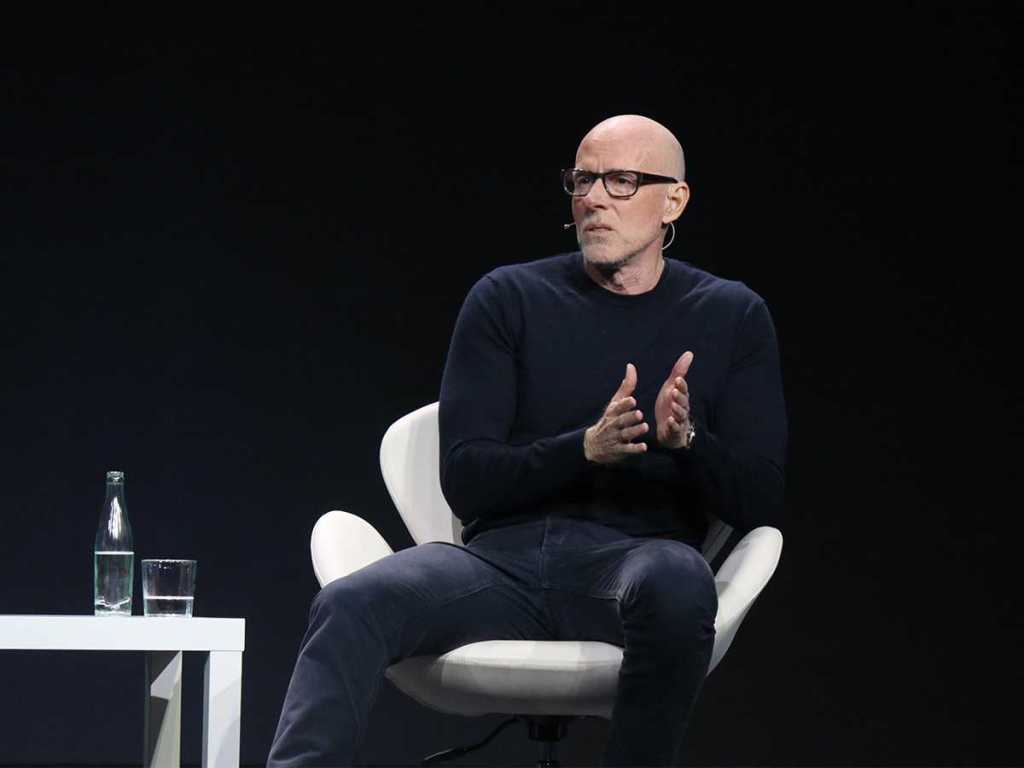
Scott Galloway, a NYU professor, entrepreneur, and media personality, shared on a recent podcast about aging and navigating regret. He offers candid reflection on his own experience with aging and the #1 most common regret people have.
NYU Professor Scott Galloway reflects on aging and regret
During a recent podcast, Galloway discussed aging and the regrets people tend to have as they get older. When asked about being 60 years old, he responded, “It’s sort of unbelievable.” Galloway continues,” There’s just no faking it when you’re 60. There’s just no getting around it. You’re on the back nine.”
Some people might find this statement very negative and self-defeating. But Galloway seems to be approaching the subject by accepting the circumstances and making the best of the situation. Then, when he’s asked about what younger people should be aware of when thinking about aging and the future, he talks about regrets.
“There’s research on this, on people’s regrets. The number one regret, and the piece of advice I would have for young people, is that they wish they’d been less hard on themselves. They wish they’d forgiven themselves and allowed themselves to be happy,” says Galloway.

The big deal is how hard we are on ourselves
“And I think a lot of that comes down to… A lot of your success and your failures are not your fault. A lot of that it’s just luck.” Galloway continues, “People regret in looking back on their life, it’s not a bad thing that happened to them. But how upset they were about that bad thing. And they look back and think, ‘You know. That wasn’t that big a deal in retrospect. What was a big deal is how hard I was on myself.’ So it all comes down to one of my favorite sayings, ‘Nothing is ever as good or as bad as it seems.’”

When looking through the comments, many seemed more focused on Galloway’s thoughts on aging. But many were able to appreciate the honesty and solid advice on avoiding future regret:
“This is such good advice re: don’t be so hard on yourself that you regret how long you wallowed in the bad thing that you didn’t live or enjoy life!”
“He is so right. Very wise words.”
“I think it’s all about having purpose in one’s life.”
“59, living my best life everyday. My advice is Move everyday and practice mindfulness.”
“Are we not gonna talk about the bicep vein on Professor Galloway? You can tell he’s crushing it in the weight room despite his age.”
“find your happiness 60 s can be the best years of your life”
“With age comes liberation from social hang ups and that’s priceless.”
“That’s the thing, younger ppl freak out at turning 40 but older ppl always talk about that being their peak.”

Better ways to navigate regret
Gallaway is suggesting a better way to avoid future regret: be kinder to yourself. This point is made clearer by the unfortunate struggle many people face when navigating their past regrets.
A 2024 review in Frontiers found that individuals suffering regret have decreased life satisfaction, more depression, and lower well-being. A 2022 study in Groningen Research uncovered that people’s self-regulatory abilities, like emotion control and self-discipline, greatly influence the frequency of experienced regret.
Some good news was offered by a 2025 study in the National Library of Medicine. It reported that most people learn to handle regrets better as they age. There is less regret and more self-acceptance over time as people learn to better narrate their own life stories.
Beyond regret, Galloway’s broader message encourages vulnerability and accepting our humanity. A mindset that treats regret not as a burden, but as information to be acknowledged and learned from. He suggests that being gentler and kinder to ourselves is a valuable solution for young people. This skill set can make the challenges of aging easier to handle.
Watch this helpful 3-step video for navigating regret from Therapy in a Nutshell below














.jpg)
.jpg)


