Starting a hobby and keeping at it can be difficult. A person might feel discouraged because they aren’t good at it from the get-go. Another person might enjoy it fully but think their time and/or money could be put to better use. Embroidery illustrator and author Sara Barnes offers a tip that can help people stay motivated in their pastime: investing in professional resources and equipment.
Barnes argues that, while experimenting with a new hobby on your own can be fulfilling, putting money towards classes taught by professionals can help a hobbyist stay motivated to grow and further enjoy it. Depending on your hobby, purchasing professional-grade equipment can keep you interested and invested. The thought process behind it is that, if a person spends money on a hobby, they’re more likely to stick with it to justify the cost.
Spending money literally makes you more invested
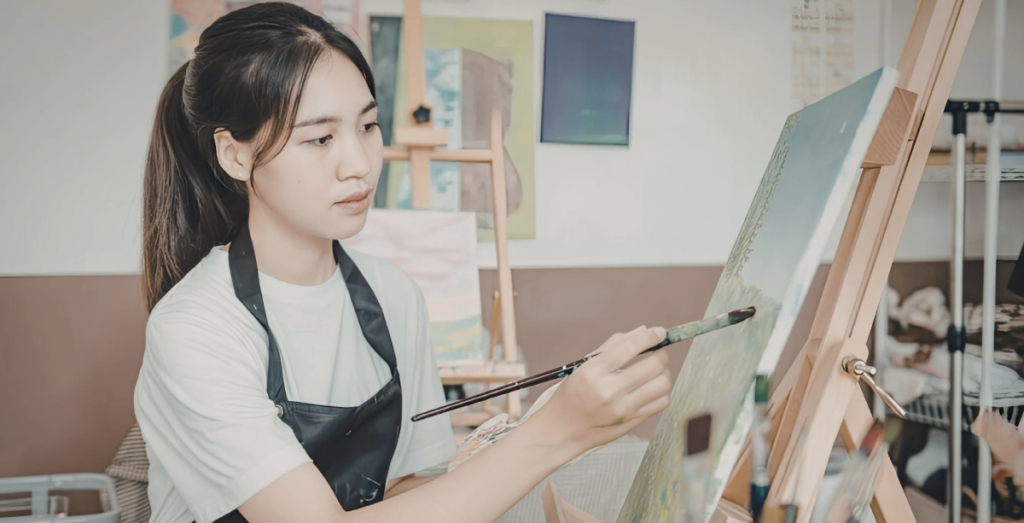
A painting class taught by a pro means person-to-person input and lessons. These advantages expand your knowledge and skill, encouraging you to play around with more techniques as you learn and grow. After all, it’s hard to keep a hobby without a sense of growth or accomplishment attached to it.
Signing up for professional boxing training forces you to get off the couch and grab your gloves. In return, you’ll learn more about boxing, get quality exercise, and have fun incorporated into your schedule. Also, investing in quality gloves will similarly motivate you to be intentional about your training.
Purchasing expensive gear and supplies for a simple hobby you might not maintain may sound risky or foolish, especially given the current state of the US economy. On the contrary, it can be a quality investment of both money and time. During the peak of the COVID-19 pandemic and its economic uncertainty, hobbies were necessary investments to promote good physical, mental, and social health.
Pricier classes and equipment might actually save money on hobbies
Even financial experts recommend investing in your hobbies as long as you’re not taking on debt to pursue them. They say it might even improve your budget.
After all, budgeting for an expensive pair of high-quality running shoes only once will end up being less expensive than paying for monthly streaming services you barely watch. Getting a pricier but sturdier table saw for woodworking will save money compared to frequently buying replacement parts when cheaper models break. Taking a cooking class can encourage you to cook more at home and eat out less in the long term.
On the surface, it may look silly to spend money on a weird color of paint, professional-grade ice skates, or a Thai recipe cooking class, but what you’re really spending money on is your well-being. Hobbies not only provide mental breaks from the stress in life, they offer opportunities to socialize with and befriend others who share your interests.
With time and experience, the initial investment in your hobby will become cheaper. You’ll either already own the equipment needed to do the hobby, have enough expertise to pursue it without attending a class, or both. It depends on what hobbies you pursue and enjoy, but this philosophy can apply to almost anything.
So, while figuring out where to invest your money, consider making your hobby a priority. It not only keeps you motivated, but can provide a positive impact on your body, mind, and long-term finances, too.