Happiness can be tricky to hold onto, especially on days when our mental health takes a hit. While popular strategies like journaling and meditation can offer great benefits, they often feel daunting or hard to maintain consistently.
TikToker Jacey Adler (@jaceyadler) found herself looking for a simpler, yet impactful practice. She discovered what she calls her “happiness list,” a straightforward method of noting anything that sparks joy throughout her day. Adler shared her simple routine on TikTok, sparking enthusiasm from her followers who say it’s noticeably improved their daily mental well-being.
Adler’s journey to creating her happiness list began out of necessity. “I started my happiness list in July 2023 after experiencing a rough period with my mental health,” Adler explained to Newsweek. “I had been struggling with depression for a couple of months and really felt like I had no energy to do my normal practices like journaling or meditation.”
A woman on a beach enjoys a sunset Canva
She emphasizes the simplicity of this practice in her video, stating, “Doing this one small thing every single day absolutely changed the game for my mental health. I’ve tried so many things to improve my mental health, and this is so easy and actually changes the way I feel on a day-to-day basis.”
Rather than writing on paper, Adler uses her phone’s Notes app. “I created this Notes app in my phone and separated it by month, and every time something makes me happy—even the smallest little thing like I walk into a store and my favorite song is playing—I put it on this list,” she shares. “It can be anything, small or big. I really just feel like it rewires your brain to just focus and tune yourself to the little things that are going on.”
A woman uses her cell phone on the sidewalk Canva
She stresses that joy often lies in small moments rather than major life events. “We are so wired to just focus on these big moments to give us happiness, and often it’s just not sustainable—and not really how you feel joy on a day-to-day basis,” Adler explains. “Doing this has made me so aware of all the little moments in my day that are there to give me happiness and to make me feel alive and good.”
Adler also highlights the ease of the method: “You can do it anywhere—it is so, so easy. I just love being able to look back at all the moments that make me happy. It’s such a good reminder when I’m in a funk.”
A smiling woman looks at her phone Canva
The positive impact of her video resonated deeply with viewers, many of whom shared their gratitude in the comments. “This is absolutely life changing. Thank you so much,” one follower commented. Another wrote, “Thank you :,) I’m going through a breakup and have been trying to be really intentional with my mental journey out of it, and this is perfect. ” One more person shared their own experience: “I’ve been doing this for years. Recently read all my fav memories to my husband and we cried and giggled together at the beauty of life .”
This article was originally published earlier this year.
Being fit used to mean getting enough sleep, drinking more water, and moving your body, perhaps in a daily walk. With the explosion of social media and digital self-help trends, finding an acceptable level of wellness can feel like stepping into a full-time job with daily performance reviews.
For many women, what started as self-care has slowly become another exhausting form of self-optimization. And increasingly, they’re pretty much done with it. According to Women’s Business Daily, one of the biggest wellness shifts happening right now is a move away from extreme routines. Women want habits that actually fit into real life.
Instead of chasing perfection, more women are choosing what can be described as a more realistic approach to wellness, incorporating sustainable routines built around balance and emotional well-being rather than climbing a never-ending ladder of constant improvement.
The shift comes after a solid decade of what many refer to online as “optimization culture.” This exhausting idea assumes that every part of life needs to be carefully measured, improved, and optimized.
Experts believe this mindset is not only making people miserable; it’s unsustainable.
A backlash against the “always improve yourself” culture
A recent article in Psychology Today found that “wellnessmaxxing” trends turn self-care into another form of anxiety. This is especially true when routines become so demanding that people feel more guilt than relief. As creators post TikToks showing themselves “maxing out” in some kind of self-congratulation, they spread unhelpful expectations that no longer promote self-care.
Verywell Health explains that these influencers broadcast an all-consuming performance metric. People now face a painful realization that they can never do enough. It’s hard to miss the irony that wellness has begun to feel unhealthy.
Women are increasingly embracing low-pressure routines instead of overly aspirational ones. Think walks instead of cross-training, and a morning meditation instead of a week-long stay at a Tibetan monastery. It’s okay to just eat more vegetables instead of a perfectly balanced daily nutrition plan of 150 grams of protein, wheatgrass smoothies, and specifically rated pH-balanced alkaline water.
After all the extreme exercises, self-help books, and sophisticated meal plans, it’s time to get back to basics. Here’s one version of a realistic plan: drink some water, get outside, and try to sleep a little better.
A beauty editor writing for Who What Wear documented her attempt to follow a social-media-inspired wellness reset. With all the expensive and complicated habits she hoped would unlock the “incredibly high-functioning, ultra-productive version” of herself, she came away understanding that she should stick with the basics.
Modern life already asks women to juggle careers, caregiving, appearance standards, finances, and relationships. Somewhere along the journey, wellness became just one more category to add to the pile.
Maintaining a perfect life balance. Photo credit: Canva
Women are choosing simple, sustainable routines
Finding realistic wellness is a trend that reflects a growing desire for community-centered wellness rather than isolated self-improvement. Instead of wellness looking like a solo pursuit for an achievement award, many women are leaning toward connection: walking groups, shared meals, accountability with friends, and being honest about feeling burned out on all of it.
The Times reports that people feel walking groups are less intimidating and more emotionally supportive. People don’t just want fitness; they want to belong to something.
A 2025 study in Frontiers in Psychology focused on the benefits of women finding social support groups. Programs that incorporated women’s preferences into their daily lives were more likely to be enjoyed and maintained.
Wellness cultures have told women the answer is to do more: more discipline, more self-reflection, more perfect sleep, more work dedication, more family direction, more effort.
Making life more enjoyable and realistic can help well-being feel easier to maintain. A joyful life is better lived “in” than constantly measured “against” unrealistic expectations.
As health care costs rise, patients aren’t just shouldering higher bills. They’re bearing more and more responsibility for getting information.
Americans are facing a health care affordability crunch on multiple fronts. In 2025, the Republican-controlled Congress approved a sweeping tax law that scaled back premium subsidies for Americans accessing care through the Affordable Care Act starting in 2026. As a result, millions on ACA plans now face much higher premiums, with many dropping out or expecting to drop out and risk going uninsured as premiums surge. By March 2026, about 1 in 10 people on ACA plans had dropped out, and that share is expected to rise.
Nearly half of U.S. adults now report difficulty affording health care. Together, these shifts are accelerating the “consumerization” of health care. Patients now have the ability to comparison shop, evaluate options and manage costs – but often without clear pricing. In this environment, knowing how to ask the right questions may be one of the most important tools patients have.
We are professors who study how perceptions of health care costs shape patients’ decisions about their care. Our research examines how factors such as price-transparency regulations influence patient choices. Across our work, we consistently hear from patients about rising costs and how conversations about price with their providers too often never happen.
Why speaking up about cost matters
When one of us took our child to the doctor for pink eye, the pediatrician quickly sent a prescription for antibiotic drops to the pharmacy. At the pickup, the pharmacist dropped the news that the drops would cost more than US$300. A follow-up phone call to the doctor’s office, however, yielded important information: A generic version of the same medication offered the same treatment and the same results, but at a fraction of the price.
That quick phone call saved her a lot of money. It also raised a broader question: Why don’t more people have these conversations about cost? In fact, one study shows that cost conversations occur in only about 30% of medical visits.
These discussions aren’t just for medications. They can be crucial when a recommended procedure has multiple alternatives; when out-of-pocket costs might affect whether you follow through on care; or when a sudden medical bill could create financial strain. Speaking up about price can help patients stay healthier and avoid the all-too-common trade-off between medical care and household expenses.
The study mentioned above also found that doctors and patients identified ways to reduce out-of-pocket costs – such as switching to a generic drug or adjusting the timing of care – in nearly half of those cases. Importantly, these conversations were typically brief and did not compromise the quality of care, the researchers found.
Patients actually prefer doctors who bring up costs, other research has found. Still, most patients remain hesitant. While a majority say they want to discuss cost, only a minority actually do, often waiting until a bill arrives – often when it’s too late to consider alternatives. That’s why it’s important that consumers feel empowered to ask the right questions. Here are three that can help make care more affordable.
One of the simplest ways to reduce drug costs is to ask whether a less expensive option is available. Brand-name medications can cost significantly more than generics, even when they are equally effective. One industry survey estimated that 90% of all prescriptions filled in 2024 were generic or biosimilar, but these accounted for only 12% of drug spending.
In many cases, physicians can substitute a generic drug or recommend a similar treatment that achieves the same outcome at a lower price. And when no direct generic exists, there may be therapeutic alternatives worth considering. For example, if a brand-name eye drop or inhaler isn’t available in generic form, doctors can often prescribe a different medication in the same class that works just as well but costs far less. Research on physician–patient cost conversations shows that switching to lower-cost, clinically similar alternatives within the same drug class is a common strategy for reducing out-of-pocket spending without compromising care.
Is there any financial assistance available?
Some hospitals and large health systems have specific programs aimed at making care more affordable for lower-income patients. In many states, government programs address this same goal. These programs often offer discounts on care, but they can be complex to navigate and require significant paperwork. Many health care offices have staff who are knowledgeable about these programs and can help patients determine eligibility and sometimes even assist with applications, although the Trump administration has cut funding.
Patients can often find these programs through hospital or health system websites, which typically include financial assistance or “charity care” pages outlining eligibility and how to apply. State Medicaid offices and insurance marketplaces are also key entry points for coverage and subsidy programs. Nonprofit organizations and patient advocacy groups may also offer or list assistance tailored to specific conditions or medications.
It’s also important to remember that for prescription medications, what you’re quoted isn’t always the final price. Many medications come with options to reduce costs, including manufacturer coupons, copay assistance programs and patient assistance programs. Doctors’ offices and pharmacists may also know practical ways to save money, such as using a different pharmacy, switching to mail order or adjusting how a prescription is written. Asking about these options can uncover savings that aren’t immediately obvious.
What will this cost me, and are there other options?
Health care pricing is often opaque, and costs can vary widely depending on where and how care is delivered. Asking up front about your expected out-of-pocket cost can help you avoid surprises later.
This question also opens the door to alternatives. For example, patients may be able to choose a lower-cost imaging center, opt for outpatient rather than hospital-based care, or delay nonurgent services until insurance coverage improves.
Speaking up is part of taking care of your health
Health care decisions shouldn’t feel like a choice between your well-being and your wallet. A brief, honest conversation about cost can lead to more affordable and more sustainable care.
Physicians can’t address financial concerns they don’t hear about, and most want to help their patients access care they can realistically follow through on. As costs continue to shift toward the patient’s burden, asking these questions isn’t just helpful – it’s essential.
The next time you’re handed a prescription or a referral, remember: One simple question about price could make all the difference.
Most people know only two things about the appendix: You don’t need it – and if it bursts, you need surgery fast.
That basic story traces back at least to Charles Darwin, the English naturalist who developed the theory of natural selection. In “The Descent of Man,” he described the appendix as a vestige: a leftover from plant-eating ancestors with larger digestive organs. For more than a century, that interpretation shaped both textbook and casual medical wisdom.
But the evolutionary story of the appendix turns out to be much more complicated.
Along with our colleague Helene M. Hartman, a student preparing for a career in health care, we combined our expertise in behavioral ecology, biology and history to review the scientific literature on the appendix, expecting a simple answer.
Instead, we found an organ that evolution kept reinventing, more interesting than most people imagine.
How did the appendix evolve?
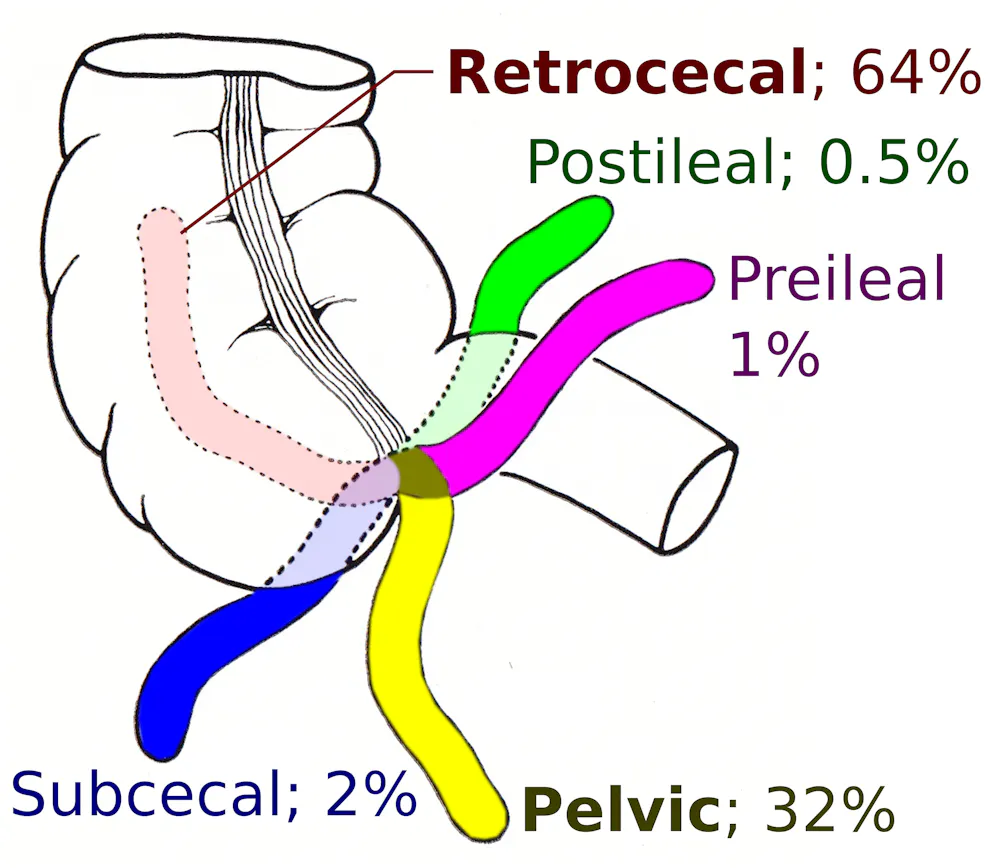
The appendix is a small pouch branching off the first section of the large intestine. Its shape and structure vary widely across species – a clue that evolution may have tinkered with it more than once.
Some species, including certain primates such as humans and great apes, have a long, cylindrical appendix. In others, including several marsupials such as wombats and koalas, the appendix appears shorter or more funnel-shaped. Still others, including some rodents and rabbits, have differently proportioned or branching structures. This structural diversity suggests that evolution has modified the organ under different ecological conditions.
That suspicion is supported by evolutionary analyses. Comparative studies show that an appendix-like structure evolved independently in at least three distinct lineages of mammals – marsupials, primates and glires, a group that includes rodents and rabbits. A broader evolutionary survey found that the appendix evolved separately at least 32 times across 361 mammalian species.
When a trait evolves repeatedly and independently, biologists call this convergent evolution. Convergence does not mean a structure is indispensable. But it does suggest that, under certain environmental conditions, having that structure provided a consistent enough advantage for evolution to favor it again and again.
In other words, the appendix is unlikely to be a useless evolutionary accident.
What does the appendix do?
The appendix supports the immune system. It contains gut-associated lymphoid tissue – immune cells embedded in the intestinal wall that help monitor microbial activity in the gut. In early life, this tissue exposes developing immune cells to intestinal microbes, helping the body learn to distinguish between harmless symbionts and harmful pathogens.
The appendix is particularly rich in structures called lymphoid follicles during childhood and adolescence, when the immune system is still maturing. These immune components participate in mucosal immunity, which helps regulate microbial populations along the intestinal lining and other mucosal surfaces. Lymphoid follicles produce antibodies, such as immunoglobulin A, to neutralize pathogens.
These hypotheses motivated a question our team explored: If the appendix helps preserve microbial stability, could removing it subtly affect reproductive fitness?
Older clinical concerns suggested that appendicitis or appendectomy might impair fertility by causing inflammation and scarring – known as tubal adhesions – in the fallopian tubes. Such scarring could physically obstruct the egg’s passage to the uterus. But several large studies have since found no decrease in fertility after appendectomy – in some cases, researchers found a small increase in pregnancy rates.
The appendix appears to have multiple functions, including immune and microbial ones. Affecting fertility, however, does not seem to be one of them.
Evolutionary importance and modern life
While the appendix has an interesting past, with evolution continually reinventing it, its modern importance is modest at best. Darwin underestimated the organ’s history, but his instinct wasn’t far off in the medical present: Some parts of human biology mattered more in the environments people evolved in than in the lives they lead today.
Early humans lived in environments with little sanitation and strong social contact – perfect conditions for outbreaks of pathogens that cause diarrhea. An appendix that quickly restored the microbiome after infection could significantly improve survival. But over the past century, clean water, improved sanitation and antibiotics have sharply reduced deaths from diarrheal diseases in high-income countries.
As a result, the evolutionary pressures that once favored the appendix have largely disappeared. Meanwhile, the medical risks of keeping the appendix – most notably appendicitis – remain. Modern surgery typically treats an infected appendix by removing it. A structure that was once a global evolutionary advantage is now more of a medical liability.
This mismatch between past adaptations and present environments illustrates a core principle in evolutionary medicine: Evolution optimizes for survival and reproduction in ancestral environments, not for health, comfort or longevity in modern ones.
Evolution operates at the level of populations over generations, favoring traits that increase average reproductive success, even if those traits sometimes harm individuals. Medicine works the other way around – helping individuals thrive in the present world rather than survive the past one.
The appendix is not an IKEA spare part included “just in case,” but neither is it essential today. Human biology has many traits that were once beneficial, now marginal – and understanding them allows medicine to make better modern decisions.