
Jim Gaffigan has been a stand-up comedy staple since the 1990s with many comedy specials popping up on television and online. Many of his fans know that Gaffigan’s jokes are mostly about two subjects: food and raising kids. As a father of five, Gaffigan has shared many perspectives on parenting that aren’t just jokes.

Whether it’s intentional or not, much of Jim’s perspectives on parenting may be made for humor and entertainment, but are also solid pieces of advice backed up by child care and parenting experts. Here are some of the few bits of parenting wisdom that Jim offers to the public through his stand-up comedy routines.

Sometimes kids have to learn through consequences.

Jim discusses a story about how his kid rebelled against Jim’s advice to take a coat with him during a walk with the dog when it was cold. After some barbs against his kids’ bratty behavior, he reminds the audience that children don’t understand consequences at such a young age. Some child experts think that Jim allowing his son to walk out without his coat might actually be a good thing.

While obviously a parent should intervene if a consequence would put a child in danger, allowing children to see the cause and the effect of their choices can help them make better ones in the long term. While obviously parents would prefer if their child listens to them the first time or learns about consequences through positive outcomes like “keeping your room clean allows you to find toys more easily,” many kids learn lessons the hard way by being cold when they refuse to take their coat, a toy getting broken after rough play, or missing a fun activity because they didn’t finish their homework earlier.

Plan a vacation after going on vacation with your kids.

While most parents want to show the whole world to their kids if they could, Jim knows that traveling with children can make you want a vacation for yourself immediately afterward. Wrangling young children, managing their luggage, covering expenses, and doing activities on top of that? Sounds like anything but relaxing.

This is why for the sake of the parents’ sanity, it’s recommended to incorporate days of rest and recovery on the back end of your vacation when you return. This allows mom and dad to actually rejuvenate themselves after traveling by watching movies, playing games, and relaxing in comfy clothes for a couple of days to veg out a bit after a long trip. Doing this also helps young kids ease back into their routines and bedtimes before returning to school, too.

You cannot always influence your child’s personality.

Jim jokes about how each of his kids develop their own personality and interests, much to his chagrin since it’d be easier to keep track of it all if all five of his kids liked and disliked the same things. They also each could have different behaviors and reactions to various situations such as just sitting at the dinner table like regular humans.

While parents certainly have a role to play in a child developing their personality, many will form their own likes, dislikes, abilities, and aversions. Experts agree with Jim that you just have to spend quality time with them, listen to them, and in general get comfortable with them being different than you pictured them. You may celebrate and support how they are, even if they don’t want to play basketball like their brother does.

Your kids will make you feel dumb and you’ll become smarter thanks to it.

“What’s an antennae?” asked Jim’s kid. Jim didn’t know so he just said it was a stick. Makes him feel dumb, right? Well, initially, but it could lead to more knowledge about our world.

Make no mistake, the “mom brain” does exist for mothers and even fathers. However, a Dutch study is showing that having a baby actually makes a mother’s brain stronger and smarter in the long term. Along with that, raising a child tends to make parents smarter as they raise them. Parents are consistently being fed newer, updated information from their kids through their teachers, they are asked questions by their children which motivates them to look up some answers (“What actually is an antennae?”), and are being refreshed about lessons, logic, and information they learned long ago through their child’s fresh experience.

Raising kids is a challenging experience that can also be rewarding in terms of developing lifelong bonds, great memories, and finding wisdom from even the most auspicious sources. Yes, that includes stand-up comedians.

  • High school teacher reads some of  the most hilariously unhelpful emails he gets from ‘concerned’ parents
    A teacher reading parents' emailsPhoto credit: Canva

    High school teacher Colton Major shared three parent emails on his TikTok page. What started as a whimsical vent about a teacher’s daily grind quickly turned into a viral phenomenon. People reshared the video and expressed their own opinions about these “concerned parents.”

    Major offers his audience a fun opportunity to see what slides into an unfiltered email inbox. It’s just one example of what educators face when building relationships with students and offering an education that’s more than grades.

    @c_major_44

    Nothing prepares you for the wild emails you get as a teacher… not college, not student teaching, NOTHING 😂📨 Just me, my coffee, and a message that could’ve been a meeting… or a therapy session. #TeacherTok #fyp #TeacherProblems #EduHumor #SchoolStruggles

    ♬ Nocturne (Chopin) calm piano solo – もつ

    Email 1: The violent curriculum in history

    The first email expressed concern about the violence discussed in historical wars. Attempting to give their son a more PG-13 upbringing, the parent suggested Major adjust the curriculum to create a softer experience. Major read from the first email:

    I do not understand why you feel it is necessary to discuss World War II in such graphic detail as ‘countries fighting.’ Could you please focus on more positive historical moments? Perhaps baking traditions in the 1940s or fashion trends instead of conflict?

    In a 2022 national survey of over 3,000 K–12 social studies teachers, 16% reported that they had received multiple criticisms from parents and community members. The concerns generally addressed how and what children are taught about sensitive topics in history.

    history, Cold War, Soviet Union, parent emails, education
    Cold War Museum in Plungė, Lithuania.
    Photo credit: foundin_a_attic/ Wikimedia Commons

    Email 2: Cold War has no snow

    In the second email, a parent finds the teaching style rather confusing. When learning about the Cold War, a term used to describe the prolonged political tension between the United States and the Soviet Union, there wasn’t even any snow. Apparently, the parent felt that explaining a war that wasn’t an actual war, nor based on freezing temperatures, made for a poorly named conflict. Major reads the email from the parent:

    This feels misleading. If there was no ice or freezing temperatures, why call it cold? This seems like false advertising and confusing for students. Please clarify whether thermometers were involved. And if not, please consider renaming it to avoid misinformation.

    Some interesting facts about the Cold War: Several proxy wars occurred in places like Afghanistan and Angola, with each superpower supplying weapons and influence. The political battle for global supremacy left the world under constant threat of nuclear Armageddon. The conflict finally ended when the Soviet Union collapsed in 1991.

    Cold War, History, curriculum, school, concerned parents, emails
    A man is frustrated by his computer.
    Photo credit: Canva

    Email 3: Consumerism

    In the third email, a parent expressed concern about educating their child on spending and consumerism. Major shared what the parent felt was economic indoctrination:

    We simply buy things because we need them and sometimes because Target had a sale. I worry you are encouraging my child to think critically about economic systems. Please stick to topics like birds or the branches of government, but not too deeply.

    With the challenges facing modern families, finding ways to avoid overconsumption has become a top priority. A 2024 article in Phys.org reported social pushback from younger generations adopting “no buy” periods. There is a growing effort to avoid consumer culture while embracing sustainable and responsible practices.

    parent-teacher conference, opinions, social pushback, history teacher
    A parent-teacher conference.
    Photo credit: Canva

    People offer their opinions

    You can only imagine the thousands of people ready to weigh in with their own opinions. Here are a few of them:

    “The ‘No child left behind’ students are now the parents…”

    “Dear history teacher, why are you teaching history”

    “Part of learning about ‘The Cold War’ is learning why it’s called ‘The Cold War’. Also Russia has snow, so technically there was snow involved”

    “These people have jobs, they can vote and they obviously procreated…”

    “This is beginning to seem like an epidemic.”

    “It’s crazy that the core of all of these emails is a parent not wanting their child to learn about the world.”

    Major’s funny video sheds light on the complicated relationship between parents and teachers. Schools have always been the front line for debates about history, values, and the world. When education conversations turn combative, it’s nice to see the more human side of a teacher doing their best to serve their students.

  • Doctors stunned after ​groggy woman wakes up from surgery and asks why they forgot her Brazilian butt lift
    (L) A confused doctor looks at paperwork; (R) A patient getting a butt liftPhoto credit: Canva
    ,

    Doctors stunned after ​groggy woman wakes up from surgery and asks why they forgot her Brazilian butt lift

    After undergoing a routine tonsillectomy, a patient was genuinely upset that her medical team skipped a popular cosmetic procedure.

    Medical procedures are usually a source of anxiety, but for many people, the most memorable part happens when the surgery is over. Recovery from anesthesia is famously disorienting, often leading to reactions that are as confusing as they are hilarious. A TikTok user named Ashley, known as @usernamecoxo0, is currently the center of a viral conversation after a video of her post-surgery recovery was posted on January 23, 2026.

    Ashley had just undergone tonsil surgery. However, as the anesthesia began to wear off, she did not wake up concerned about her throat. Instead, she began crying profusely. In the video, someone off-camera asks what is wrong. Ashley laments that she is upset because the doctors did not give her a Brazilian Butt Lift (BBL), a cosmetic surgery used to add volume to the buttocks.

    When the person filming explains that she was there for a tonsillectomy, Ashley continues to cry. “Why didn’t I get a BBL? I was right here. I wanted a BBL,” she says. The person behind the camera struggles to keep from laughing while consoling her with a gentle, “I know, honey, it’s okay.” Ashley later captioned the video by saying she “told everyone they forgot to give me a BBL.”

    Why the Brain Acts This Way

    This kind of behavior might seem bizarre, but there is a clear medical explanation for it. According to a 2008 study published in ScienceDirect, anesthesia can lead to what is known as postoperative cognitive dysfunction (POCD) in some adults. This condition temporarily affects memory and cognition. As the medication gradually leaves the system, the brain can take quite a while to catch up to reality, making it difficult for patients to understand where they are or what has actually happened to them.

    @chesnut.md

    Brain fog after surgery? Word-finding issues? It’s not “normal.” And it’s not always fully reversible. It’s postoperative cognitive dysfunction (POCD). POCD is very common (especially when neurocognition is viewed as a spectrum) – even in elective cosmetic surgery… yet almost no one is talking about it. ? I care deeply about your brain! POCD is a neuroinflammatory condition at its core. It is triggered by anesthetic agents themselves (certain ones more commonly), surgical stress, and even to some degree your body’s total inflammatory burden (which can in turn affect neuroinflammation). So I focused on what my non-negotiables were from a safety, neurocognitive, recovery, and of course results standpoint. I then rebuilt my entire anesthesia infrastructure and fortified my recovery protocol with a focus minimizing POCD risk: ❌No general anesthesia. ❌No opioids. ❌No benzodiazepines. All of these have been linked to increased neuroinflammation and long-term CNS ? disruption = POCD. During my optimized recovery protocol, I treat both the systemic and specific neuroinflammation – minimizing POCD risk and enhancing the overall recovery from both a timing and a results standpoint! That optimized recovery protocol includes: Photobiomodulation + NAD+ to support mitochondrial health and neuroplasticity (via brain derived neurotropic factor, BDNF, more on this later) ?️IV antioxidants + Hyperbaric Oxygen Therapy to temper acute inflammation and target oxidation via elimination of reactive oxygen species (ROS) – these accelerate neuronal recovery ?Ketones to decrease neuroinflammation and enhance the stress resilience of neurons in the brain ? (listen to my upcoming podcast with @dominic.dagostino.kt for a deep discussion here) After all… This is an elective cosmetic procedure. You should come out of it looking incredible – while feeling (and thinking) incredible too! This is the Next Level, welcome to it ?? Part 2 coming soon… #POCD #anesthesia #drchesnut #nextlevelrecovery #brainhealth #cosmeticsurgery

    ♬ Manifestation – Perfect, so dystopian

    A Shared Experience in the Comments

    Ashley is far from alone in her post-op confusion. Her video triggered a wave of similar stories from people who woke up with very different expectations. One user, @AC, shared that as a C-section mother, she found herself “wondering why they didn’t do a tummy tuck too. They’re literally already right there!”

    Another user, @Keepingupwithmatt&vi, recalled a moment that nearly caused a rift in her marriage while she was under the influence of recovery meds. “I told my husband the taco man made the best tacos, and I wanted to live with him in the taco truck,” she wrote, adding that her hunger after fasting for surgery likely played a role in her choice of words.

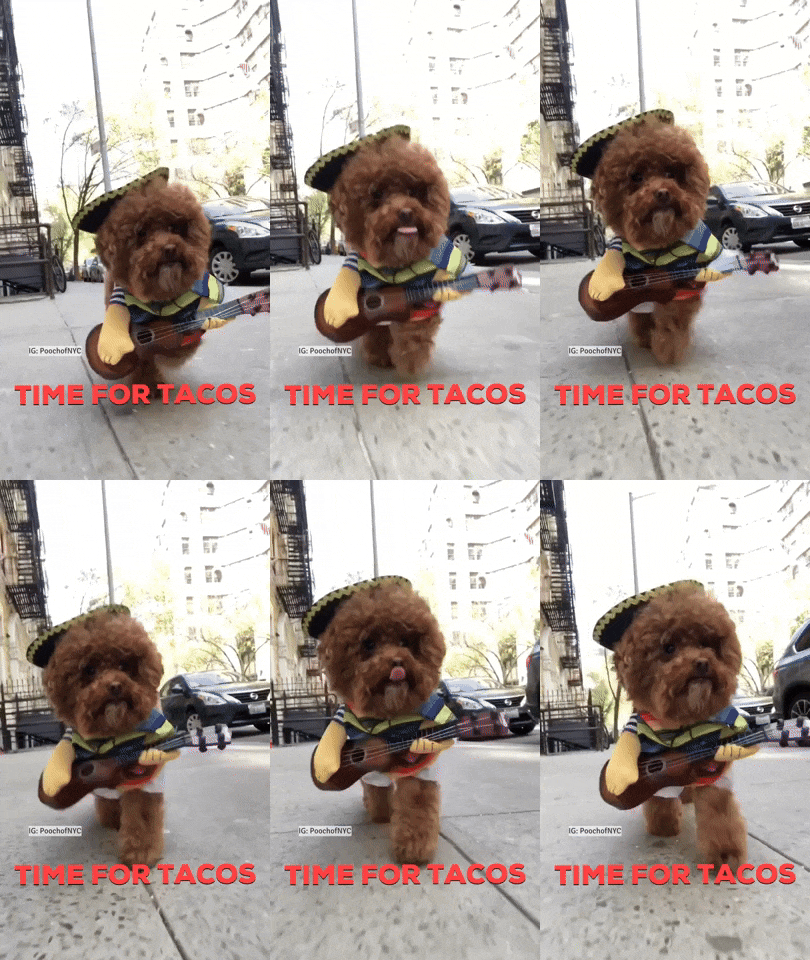
    Gif of little dog holding guitar with caption


    Sometimes, the confusion goes even deeper than food or cosmetic surgery. In a similar story, a mother named Belle Blake woke up from a procedure and was completely shocked to learn that she was a parent. Her husband captured her reaction as she realized she had “four babies.” She was particularly surprised to find out that she had an eight-year-old son and a daughter named Daphne. While riding home, she repeatedly told her husband she felt like she had “won the lottery” after discovering she had a family that loved her.

    For more videos, you can follow @usernamecoxo0 on TikTok.

    This article originally appeared earlier this year.

  • It’s easy making green: Muppets continue to make a profit 50 years into their run
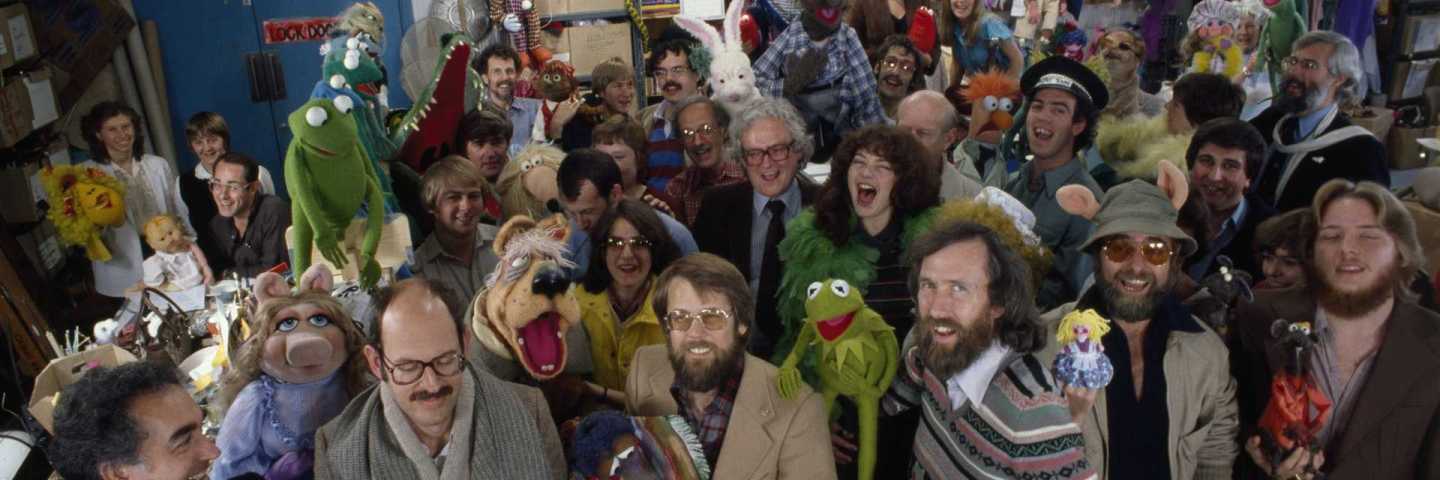
    The artists and crew behind the ‘The Muppet Show,’ including Muppet creator Jim Henson, third from right in the front row, gather for the camera.Photo credit: Nancy Moran/Sygma via Getty Images
    , ,

    It’s easy making green: Muppets continue to make a profit 50 years into their run

    From classroom to late night: how the Muppets dodged typecasting.

    A variety show that’s still revered for its absurdist, slapstick humor debuted 50 years ago. It starred an irreverent band of characters made of foam and fleece.

    Long after “The Muppet Show”‘s original 120-episode run ended in 1981, the legend and legacy of Miss Piggy, Fozzie Bear, Gonzo and other creations concocted by puppeteer and TV producer Jim Henson have kept on growing. Thanks to the Muppets’ film franchise and the wonders of YouTube, the wacky gang is still delighting, and expanding, its fan base.

    As a scholar of popular culture, I believe that the Muppets’ reign, which began in the 1950s, has helped shape global culture, including educational television. Along the way, the puppets and the people who bring them to life have earned billions in revenue.

    Kermit’s origin story

    Muppets, a portmanteau of marionette and puppet, first appeared on TV in the Washington, D.C., region in 1955, when Henson created a short sketch show called “Sam and Friends” with his future wife, Jane Nebel.

    Their motley cast of puppets, including a lizardlike character named Kermit, sang parody songs and performed comedy sketches.

    Henson’s creations were soon popping up in segments on other TV shows, including “Today” and late-night programs. Rowlf the Dog appeared in Canadian dog food commercials before joining “The Jimmy Dean Show” as the host’s sidekick.

    After that show ended, Rowlf and Dean performed on the “Ed Sullivan Show,” where Kermit had occasionally appeared since 1961.

    From ‘Sesame Street’ to ‘SNL’

    As Rowlf and Kermit made the rounds on variety shows, journalist Joan Ganz Cooney and psychologist Lloyd Morrisett were creating a new educational program. They invited Henson to provide a Muppet ensemble for the show.

    Henson waived his performance fee to maintain rights over the characters who became the most famous residents of “Sesame Street.” The likes of Oscar the Grouch, Cookie Monster and Big Bird were joined by Kermit who, by the time the show premiered in 1969, was identified as a frog.

    When “Sesame Street” became a hit, Henson worried that his Muppets would be typecast as children’s entertainment. Another groundbreaking show, aimed at young adults, offered him a chance to avoid that.

    “Saturday Night Live’s” debut on NBC in 1975 – when the show was called “Saturday Night” – included a segment called “The Land of Gorch,” in which Henson’s grotesque creatures drank, smoked and cracked crass jokes.

    “The Land of Gorch” segments ended after “Saturday Night Live’s” first season.

    Miss Piggy gets her closeup

    “The Muppet Show” was years in the making. ABC eventually aired two TV specials in 1974 and 1975 that were meant to be pilots for a U.S.-produced “Muppet Show.”

    After no American network picked up his quirky series, Henson partnered with British entertainment entrepreneur Lew Grade to produce a series for ATV, a British network, that featured Kermit and other Muppets. The new ensemble included Fozzie Bear, Animal and Miss Piggy – Muppets originally performed by frequent Henson collaborator Frank Oz.

    The Muppet Show” parodied variety shows on which Henson had appeared. Connections he’d made along the way paid off: Many celebrities he met on those shows’ sets would guest star on “The Muppet Show,” including everyone from Rita Moreno and Lena Horne to Joan Baez and Johnny Cash.

    “The Muppet Show,” which was staged and shot at a studio near London, debuted on Sept. 5, 1976, in the U.K, before airing in syndication in the United States on stations like New York’s WCBS.

    The Muppets hit the big screen

    “The Muppet Show” was a hit, amassing a global audience of over 200 million. It won many awards, including a Primetime Emmy for outstanding comedy-variety or music series – for which it beat “Saturday Night Live” – in 1978.

    While his TV show was on the air, Henson worked on the franchise’s first film, “The Muppet Movie.” The road film, released in 1979, was another hit: It earned more than US$76 million at the box office.

    “The Muppet Movie” garnered two Academy Award nominations for its music, including best song for “Rainbow Connection.” It won a Grammy for best album for children.

    The next two films, “The Great Muppet Caper,” which premiered in 1981, and “The Muppets Take Manhattan,” released in 1984, also garnered Oscar nominations for their music.

    ‘Fraggle Rock’ and the Disney deal

    The cast of “The Muppet Show” and the three films took a break from Hollywood while Henson focused on “Fraggle Rock,” a TV show for kids that aired from 1983-1987 on HBO.

    Like Henson’s other productions, “Fraggle Rock” featured absurdist humor – but its puppets aren’t considered part of the standard Muppets gang. This co-production between Henson, Canadian Broadcast Corporation and British producers was aimed at international markets.

    The quickly conglomerating media industry led Henson to consider corporate partnerships to assist with his goal of further expanding the Muppet media universe.

    In August 1989, he negotiated a deal with Michael Eisner of Disney who announced at Disney-MGM Studios an agreement in principle to acquire The Muppets, with Henson maintaining ownership of the “Sesame Street” characters.

    The announcement also included plans to open Muppet-themed attractions at Disney parks.

    But less than a year later, on May 16, 1990, Henson died from a rare and serious bacterial infection. He was 53.

    Of Muppets and mergers

    Henson’s death led to the Disney deal’s collapse. But the company did license The Muppets to Disney, which co-produced “The Muppet Christmas Carol” in 1992 and “Muppet Treasure Island” in 1996 with Jim Henson Productions, which was then run by Jim’s son, Brian Henson.

    In 2000, the Henson family sold the Muppet properties to German media company EM.TV & Merchandising AG for $680 million. That company ran into financial trouble soon after, then sold the Sesame Street characters to Sesame Workshop for $180 million in late 2000. The Jim Henson Company bought back the remaining Muppet properties for $84 million in 2003.

    In 2004, Disney finally acquired The Muppets and most of the media library associated with the characters.

    Disney continued to produce Muppet content, including “The Muppet’s Wizard of Oz” in 2005. Its biggest success came with the 2011 film “The Muppets,” which earned over $165 million at the box office and won the Oscar for best original song “Man or Muppet.”

    Muppets Most Wanted,” released in 2014, earned another $80 million worldwide, bringing total global box office receipts to over $458 million across eight theatrical Muppets movies.

    The ‘Muppet Show’ goes on

    The Muppets continue to expand their fandom across generations and genres by performing at live concerts and appearing in several series and films.

    Through these many hits and occasional bombs, and the Jim Henson Company’s personnel changes, the Muppets have adapted to changes in technology and tastes, making it possible for them to remain relevant to new generations.

    That cast of characters made of felt and foam continue to entertain fans of all ages. Although many people remain nostalgic over “The Muppet Show,” two prior efforts to reboot the show proved short-lived.

    But when Disney airs its “The Muppet Show” anniversary special on Feb. 4, 2026, maybe more people will get hooked as Disney looks to reboot the series.

    This article originally appeared on The Conversation. You can read it here.

Explore More Humor Stories

Humor

High school teacher reads some of the most hilariously unhelpful emails he gets from ‘concerned’ parents

Humor

Doctors stunned after ​groggy woman wakes up from surgery and asks why they forgot her Brazilian butt lift

Culture

It’s easy making green: Muppets continue to make a profit 50 years into their run

Humor

Adults share 11 startlingly funny things that random kids have said to them