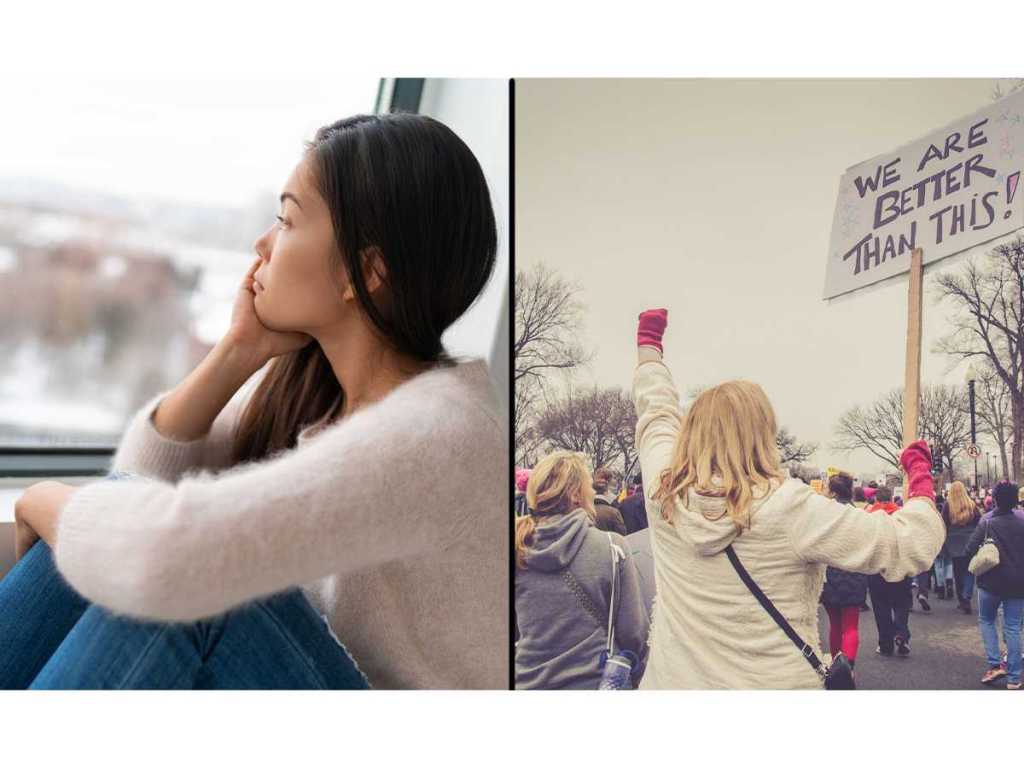
With the political and social conflict facing Americans today, it’s easy to feel overwhelmed. A lack of power or direction can lead to depression and feelings of helplessness.
In an interview with PBS News, Tressie McMillan Cottom, a sociologist at the University of North Carolina, explained why self-care that involves pulling back isn’t the solution to political exhaustion. Instead, she suggested that taking appropriate action can help people feel energized, even when the political arena seems damaged beyond repair.
Facing political exhaustion
McMillan Cottom also discussed how many people cope with their discomfort around politics. She explained that we’ve been conditioned to think of self-care as something like taking a bubble bath, and that approach simply doesn’t work.
She goes on to explain how we’ve come to associate self-care with political discomfort:
“If you are exhausted and overwhelmed by the onslaught of negative news, that you sort of need to retreat and you need to withdraw. When in fact, everything from research to history to art will tell you it is the exact opposite. That sometimes we aren’t exhausted because we are aware of too much, we are exhausted because we are doing too little. The antidote, I think, to political exhaustion, the type that we are talking about, is that we are getting so much passive information, and we have so few opportunities to act. We are tired, then, not from doing too much, but from doing too little. People who feel agentic aren’t as tired. They are not as easily overwhelmed.”
Ways to take action
No matter a person’s political affiliation, the answer, she argued, lies in taking action:
“So if you are exhausted by the onslaught of bad news, go to a protest. If you are exhausted by social policy that is demonizing children, start teaching children how to read. The more time you spend doing something, whatever is possible for you to do in your space in the world, the less exhausted you are by the onslaught of information that really wins when it can convince you that the only thing you can do is watch what is happening to you.”
If attending a rally feels less appealing in today’s political climate, there are plenty of other ways to get involved.
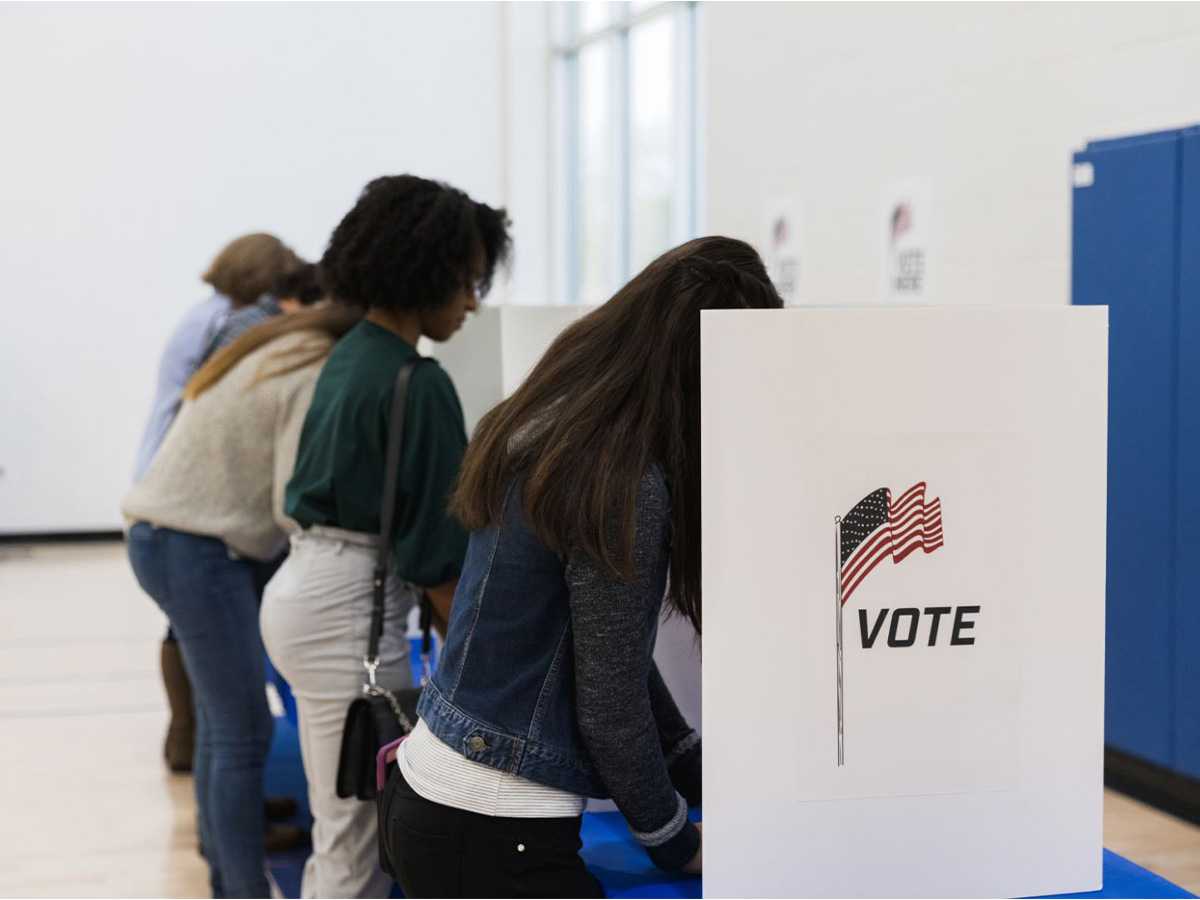
A 2025 article by the League of Women Voters offered several helpful ways to get active in politics. One suggestion is to vote. State and local races can have a dramatic effect on people’s daily lives, often shaping communities just as much as congressional or presidential contests. The article also suggests reaching out directly to candidates to express concerns, whether through emails, phone calls, or town hall meetings.
A 2023 study by the Pew Research Center found that social media posts, discussions, and group participation are measurable forms of political activity among young adults. About 34% of people who engage on social media reported participating in group shares and discussions about social issues.
Why participation is better for your mental health
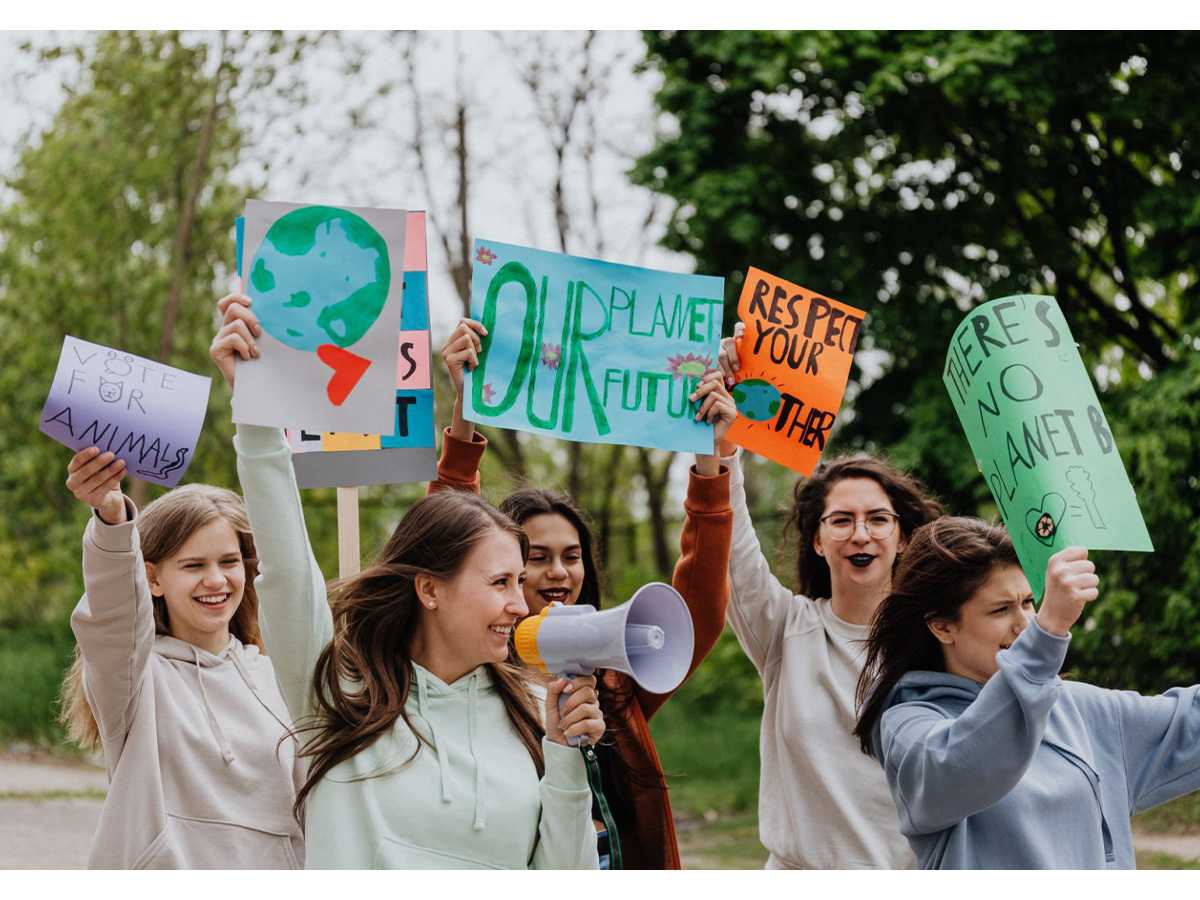
Feeling helpless or incapable of making change can fuel depression. By contrast, taking action and participating can have a positive impact on psychological well-being.
A 2025 study published on Springer Nature Link found that volunteering alone offers numerous physical and mental health benefits. Similarly, a 2024 study published on ScienceDirect linked volunteering to significant reductions in loneliness and other depressive symptoms.
A 2023 position statement from the American Heart Association said:
“The American Heart Association believes an active and engaged electorate strengthens the ability of a community to preserve, protect, and improve health. The association encourages and supports non-partisan civic engagement as a tool to increase civic responsibility and build social connections, which can reduce cardiovascular disease risk, enhance community resilience, and improve inequities.”
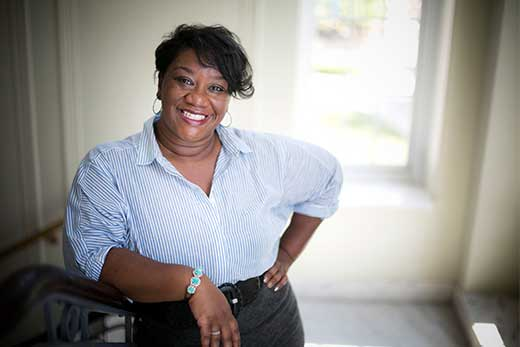
Tressie McMillan Cottom
McMillan Cottom is a professor, author, and sociologist whose work focuses on inequality, sexism, racism, and systems of oppression. Her books, essays, and editorials have earned critical acclaim, and she uses her gifts as a storyteller to educate audiences and challenge power.
Political participation doesn’t have to mean marching in the streets. Research shows that volunteering, donating, voting, contacting representatives, and even thoughtful engagement on social media can all have a meaningful impact. Finding ways to take action, rather than resigning yourself to the status quo, is associated with better mental health outcomes and less emotional distress.