High school teacher Colton Major shared three parent emails on his TikTok page. What started as a whimsical vent about a teacher’s daily grind quickly turned into a viral phenomenon. People reshared the video and expressed their own opinions about these “concerned parents.”
Major offers his audience a fun opportunity to see what slides into an unfiltered email inbox. It’s just one example of what educators face when building relationships with students and offering an education that’s more than grades.
Email 1: The violent curriculum in history
The first email expressed concern about the violence discussed in historical wars. Attempting to give their son a more PG-13 upbringing, the parent suggested Major adjust the curriculum to create a softer experience. Major read from the first email:
“I do not understand why you feel it is necessary to discuss World War II in such graphic detail as ‘countries fighting.’ Could you please focus on more positive historical moments? Perhaps baking traditions in the 1940s or fashion trends instead of conflict?“
In a 2022 national survey of over 3,000 K–12 social studies teachers, 16% reported that they had received multiple criticisms from parents and community members. The concerns generally addressed how and what children are taught about sensitive topics in history.
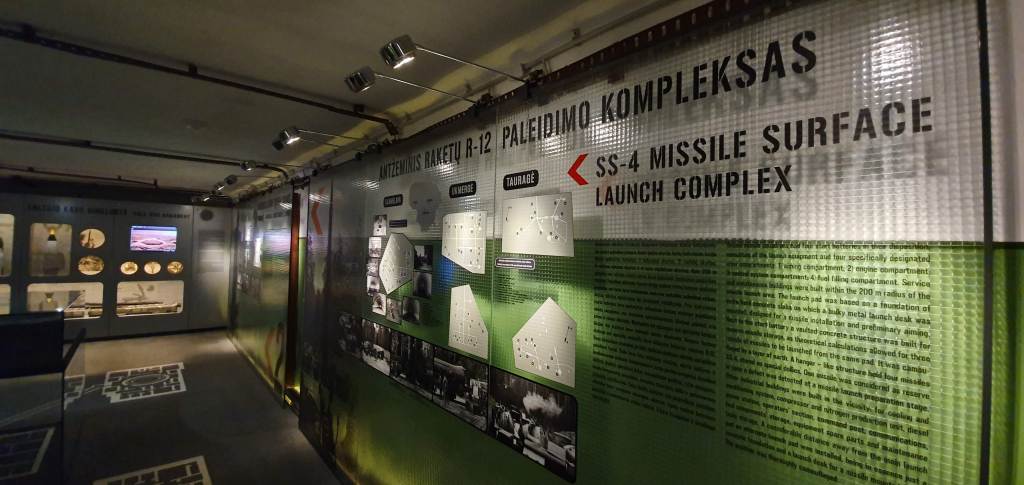
Photo credit: foundin_a_attic/ Wikimedia Commons
Email 2: Cold War has no snow
In the second email, a parent finds the teaching style rather confusing. When learning about the Cold War, a term used to describe the prolonged political tension between the United States and the Soviet Union, there wasn’t even any snow. Apparently, the parent felt that explaining a war that wasn’t an actual war, nor based on freezing temperatures, made for a poorly named conflict. Major reads the email from the parent:
“This feels misleading. If there was no ice or freezing temperatures, why call it cold? This seems like false advertising and confusing for students. Please clarify whether thermometers were involved. And if not, please consider renaming it to avoid misinformation.“
Some interesting facts about the Cold War: Several proxy wars occurred in places like Afghanistan and Angola, with each superpower supplying weapons and influence. The political battle for global supremacy left the world under constant threat of nuclear Armageddon. The conflict finally ended when the Soviet Union collapsed in 1991.

Photo credit: Canva
Email 3: Consumerism
In the third email, a parent expressed concern about educating their child on spending and consumerism. Major shared what the parent felt was economic indoctrination:
“We simply buy things because we need them and sometimes because Target had a sale. I worry you are encouraging my child to think critically about economic systems. Please stick to topics like birds or the branches of government, but not too deeply.“
With the challenges facing modern families, finding ways to avoid overconsumption has become a top priority. A 2024 article in Phys.org reported social pushback from younger generations adopting “no buy” periods. There is a growing effort to avoid consumer culture while embracing sustainable and responsible practices.

Photo credit: Canva
People offer their opinions
You can only imagine the thousands of people ready to weigh in with their own opinions. Here are a few of them:
“The ‘No child left behind’ students are now the parents…”
“Dear history teacher, why are you teaching history”
“Part of learning about ‘The Cold War’ is learning why it’s called ‘The Cold War’. Also Russia has snow, so technically there was snow involved”
“These people have jobs, they can vote and they obviously procreated…”
“This is beginning to seem like an epidemic.”
“It’s crazy that the core of all of these emails is a parent not wanting their child to learn about the world.”
Major’s funny video sheds light on the complicated relationship between parents and teachers. Schools have always been the front line for debates about history, values, and the world. When education conversations turn combative, it’s nice to see the more human side of a teacher doing their best to serve their students.