
Seasonal depression, or seasonal affective disorder (SAD), impacts millions of people during the winter. The dark, cold weather can easily lead to dark, cold moods from the “winter blahs” that leave people feeling lethargic and depressed. The sneaky thing about it is that you could be going through it without knowing it because it’s not as “dramatic” as regular depression while still being a significant emotional burden.

Doctors tend to recommend going outside, exercising, planning activities, etc. to tackle seasonal affective disorder. But if you’re in a mindset that causes getting out of bed or making a phone call to feel like an exhausting struggle, it can feel impossible to hit the gym or arrange an activity with a friend. Luckily, one doctor gets it.

Psychologist Dr. Raquel Martin understands that the struggle with seasonal affective disorder is real. “It’s so crazy to me that this spells out ‘sad,’” she says in her video. Dr. Martin makes sure to point out that seasonal depression can appear in different forms (losing interest in things that usually bring joy, sleeping more, not sleeping, “feeling heavy,” etc.) to hammer home that seasonal depression can be different from one person to another, in varying degrees. The lack of daylight in late fall and winter can mess with a person’s serotonin and melatonin levels, influencing a person’s mood, sleep, and energy. So, depending on how a person’s body responds, seasonal depression could as benign as a person feeling sluggish or emotionally crippled like full-on depression.

She also mentions that the common recommendations to combat seasonal depression are good, but emphasizes that there doesn’t need to be dramatic change to effectively fight against it. Martin stresses that it’s not the intensity of the treatment but the consistency—doing it every day rather than worrying about doing it “right.” “Don’t go big with this, go realistic,” she says.

Most doctors like her recommend making it a point to expose yourself to daylight by going outside. But, she says, even as little as four minutes by the window with open blinds can help if you’re office-bound. Exercise is also a booster, but if you can’t or won’t go to the gym, going for a short walk, doing a quick dance to a song on your phone, or just shuffling your shoulders will do more than doing nothing at all.

Planning activities and hobbies is also commonly recommended, but Martin says to just make one “anchor activity” for each day rather than a routine. It can be as simple as making yourself a cup of coffee or shooting one text to a single person.

Martin’s peers reached out to GOOD to agree with this mindset, especially if an affected person has tasks or chores to do that add onto the stress and struggle.

“When you’re dealing with seasonal depression, the goal is micro-movement and tiny habits,” said therapist Lisa Chen. “The smallest shift in your body or environment can start to lift your mood within seconds.”

“Break down tasks into smaller parts,” suggests therapist Aaron Mostin. “Instead of ‘clean the kitchen,’ just put three things away, which is much less overwhelming.”

Martin also says that folks who notice their friends or family members getting impacted by seasonal depression can help without being overwhelming or overbearing.

“Instead of asking, ‘What can I do to help,’ offer to bring dinner over or stop to pick them up for a change of scenery,” added Mostin. “Try being a gentle presence. Ask, ‘Do you just want me to listen, or would like me to give you advice?’”

This allows you to not only help them with some tasks, but ensures that they’re taking care of themselves, too. If requested, you can do some other things to help like going on a walk with them or participating in other activities to get them out of the house if they feel comfortable.

While something as simple as the weather can greatly impact a person’s mood and physiology, it’s encouraging to know that there are methods that are just as simple that can help counter its impact.
  • ER doctor and mom sets the record straight for parents of kids with e-bikes and e-scooters
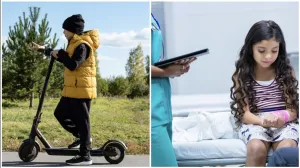
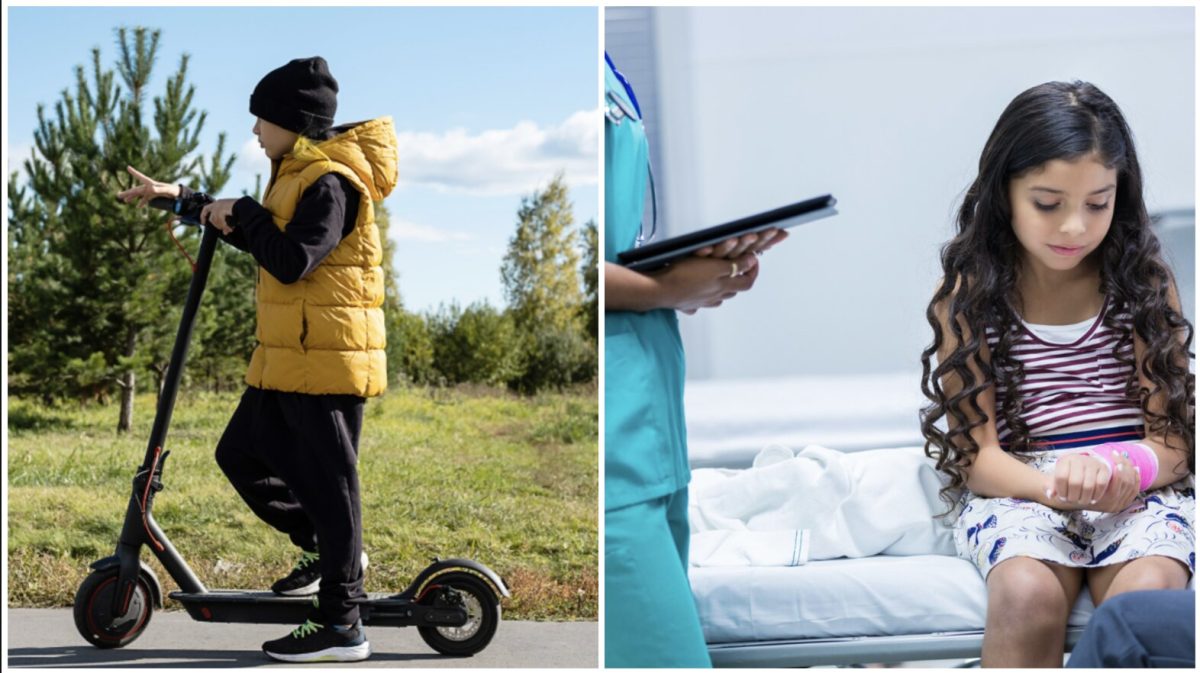
    Photo credit: CanvaA boy rides an e-scooter, left, while a girl is examined in an emergency room.

    An emergency room doctor and fellow mom has been noticing a troubling trend: Many parents are giving their kids something more powerful than bicycles to get around the neighborhood. As a result, she’s seeing more children come into the ER with injuries sustained in e-bike and e-scooter crashes. She recently went online with a plea to parents and young riders.

    Dr. Meghan Elizabeth Beach Martin, known online as Dr. Beachgem, posted a video in her scrubs discussing her concerns after seeing so many children come into the hospital with e-bike injuries during the summer months. She’s worried that too many kids and parents don’t understand the proper safety precautions. As a mother herself, she even questions why children are allowed to ride these devices at all.

    In the video, the doctor explains that some e-bikes can reach speeds of up to 28 mph. She says that if an e-bike goes any faster than that, it’s technically classified as a motorcycle. At those speeds, she regularly sees children with traumatic injuries and broken bones after hitting bumps, cracks in the road, or other vehicles. Many of them aren’t wearing helmets or protective pads, and some are even riding barefoot, making their injuries even more severe. Martin’s video has gained traction on Reddit and elsewhere online.

    E-bikes and e-scooters, examined

    Martin isn’t the only professional seeing a growing problem. The American College of Surgeons reports that there are more than 20,000 e-bike-related injuries each year. Meanwhile, a University of California, San Francisco study found that e-bike injuries doubled annually from 2017 to 2022. The same study found that e-scooter injuries increased by 45% each year during the same period.

    Before riding an e-bike, it’s important to follow proper safety procedures. Make sure you and your child understand your area’s laws regarding e-bikes, including any minimum age requirements. Always wear a helmet and other protective gear when riding. Consider choosing an e-bike with safety features such as motor-interrupt brake levers and disc brakes. These are just a few of the many safety tips experts recommend.

    The U.S. Consumer Product Safety Commission has similar safety tips for e-scooter riders. Wearing a helmet is one of its top recommendations, along with taking other basic precautions. The agency also recommends checking the brakes before riding and slowing down for bumps, cracks, and other road hazards.

    The vast majority of e-scooters and e-bikes are designed for only one rider, so avoid doubling up. Although laws vary by state and locality, wearing more protective gear is always the safer choice. Riders should also review local e-bike and e-scooter laws to make sure they are operating the vehicles safely and legally.

    A little research goes a long way toward making sure you and your children can ride safely. It’s also important for parents to understand that many e-bikes and e-scooters can travel at speeds that make them very different from a traditional bicycle. The last thing you want is for you or your child to become another emergency room statistic.

  • 22-year-old gives out toothy smiles by providing free 3D-printed dentures to those in need
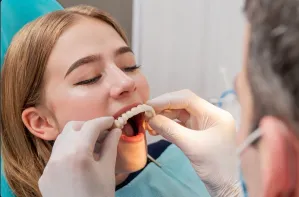
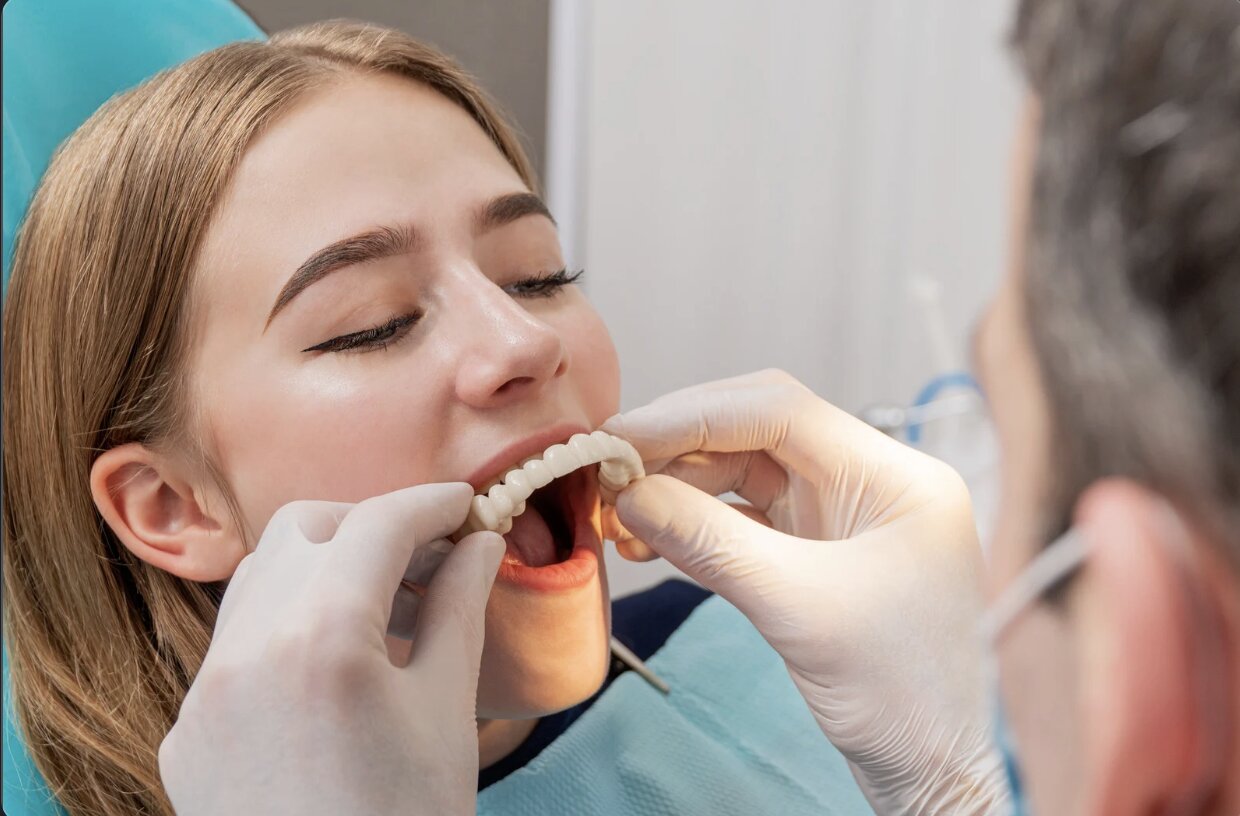
    Photo credit: Canva3D printing can help dental patients.

    Much like anything else, the cost of dental care has risen as need grows. A report from the American Dental Association found that, in 2024, dental spending grew by $7 billion from 2023. A young engineer is making a difference, though. He has helped put a smile back on the faces of folks in need by providing free dentures made with 3D printers.

    Connor Gibson isn’t a dentist or even an expert on 3D printers. He’s a Tennessee community college student who wants to help people. While studying engineering at Walters State Community College, Gibson volunteered with Remote Area Medical (RAM). RAM is a nonprofit that provides mobile clinics offering free medical, vision, and dental care through volunteers. 

    An issue that bites

    A common issue the clinics found was that many people needed dentures. The cost of dentures can be very pricey, ranging from $452 dollars to over $6,500 depending on the patient’s needs and their insurance coverage. Another issue was availability. Even if a patient could afford dentures, it could take weeks or even months before they could be delivered. 

    But Gibson had an idea. He thought that if he could 3D print pairs of dentures, it would save money and time. After all, having a 3D printer on-site would allow the dentures to be made within hours rather than weeks. A patient could get a free set of dentures the same day as their visit.

    Great idea…but how?

    There was a setback: Gibson had no experience in dentistry or 3D printing at all. In spite of his inexperience, Gibson used his engineering and design skills to teach himself how to use a 3D printer. He also got dental experts to teach him how to make dentures the old fashioned way. This way, he was sure to accurately recreate every detail via 3D printing. After taking an impression, Gibson was then able to design specific dentures per patient.

    “Honestly, if you told me three years ago this is what I would be doing, I would have called you crazy,” Gibson said to CNN. “I made it my mission and studied up like I was doing a test, studying up on videos and documents — anything I could find on how to make a denture using this specific software and how to 3D print it.”

    After Gibson successfully completed a pair of 3D-printed dentures for the first time, he knew it was something special. Seeing the tears of joy on the patient’s face was enough to confirm he was doing the right thing.

    “That first delivery was really a huge eureka moment,” Gibson said. “To see that raw, human emotion and just know that I played a change in this person’s life… it’s very humbling, and I’m beyond blessed.”

    Gibson has since been helping RAM develop more denture mobile clinics that can quickly develop dentures for patients who drop in.

    How to find low-cost dental care near you

    If you or someone you know needs low-cost to free dental care, there are options. In addition to Medicare, Medicaid, and CHIP, you can find local and state programs online. You can also dial 2-1-1 for information.

    Another option dental schools and dental hygiene schools that provide supervised, low-cost care from their students.

  • Student with severe facial burns from a frat house fire healed through new innovative treatment
    Photo credit: Hamilton Health SciencesExosomes helped heal severe facial burns with less scarring.
    ,

    Student with severe facial burns from a frat house fire healed through new innovative treatment

    Exosomes could change how we treat various maladies and disease.

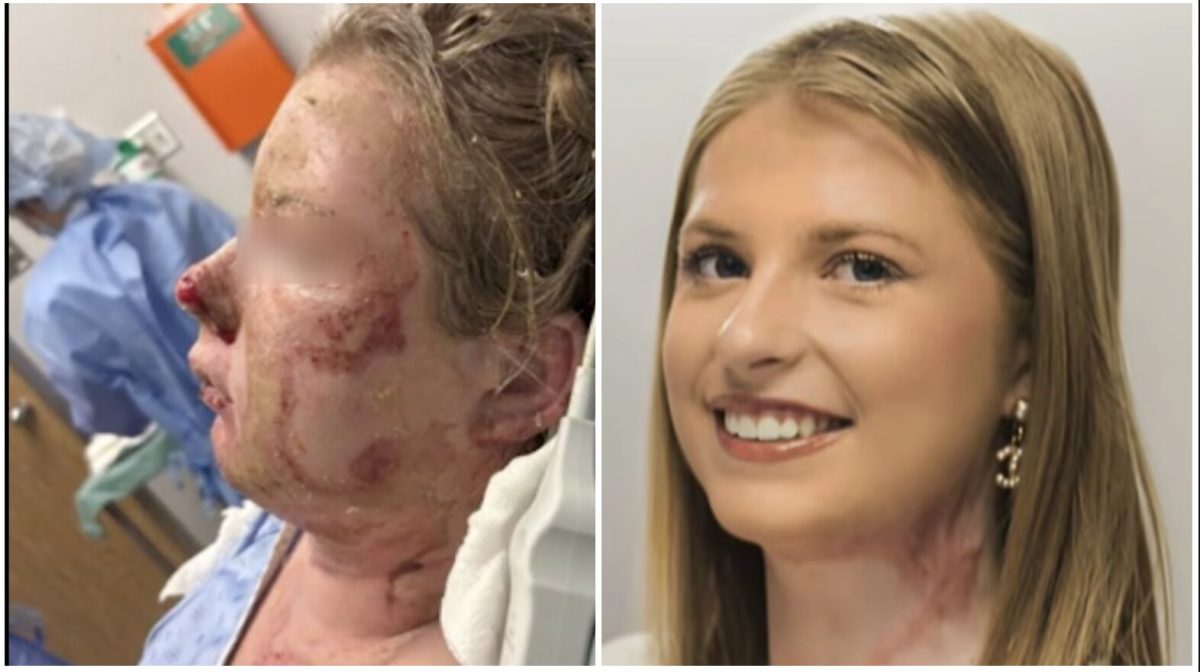
    A university student who suffered severe facial burns has remarkably healed thanks to what is being called a world-first biological treatment.

    On December 2, 2025, 18-year-old Kaitlyn Jeffrey was caught in a fire at the Pi Kappa Alpha frat house at Western University in Canada. The fire was caused after rubbing alcohol had been thrown onto a lit torch. Kaitlyn was one of the five people rushed to the hospital for injuries. She suffered serious burns after her face and hair had been set ablaze.

    A new treatment

    Usually, treatment for such burns would require a skin graft, but the burn unit at Hamilton Health Services wanted to try something different. While skin grafting is helpful, the end result isn’t always ideal. Skin grafting can be a slow process that ends with scarring and often a patch-like appearance on the patient.

    “My vision for Kaitlin was to avoid skin graft surgery to her face and neck at any cost,” said Dr. Marc Jeschke, medical director of the hospital’s regional burn program and vice-president of research and innovation at HHS. “You can do the best graft on the planet, but you won’t return the skin to normal.”

    With Kaitlyn’s and her family’s permission, Dr. Jeschke sent an urgent application to Health Canada for a new type of treatment. After Health Canada approved, the doctors proceeded to give Kaitlyn an exosome treatment for her facial burns. The results were a rousing success.

    What are exosomes?

    Exosomes, or extracellular vesicles (EcVs), are present in almost all cells, tissues, and body fluids. They’re tiny vesicles released naturally by nearly all types of cells, carrying proteins, lipids, and genetic material. They essentially carry these “packages” of material and send signals from one cell to another to regulate their behavior. They’re not only being tested for medical applications like this one, but are a part of a skin care trend as well. While exosomes had been studied for burn research, they haven’t been tested on humans before.

    One trillion exosomes were collected and injected into Kaitlyn’s injured areas over the course of two treatments. This helped her cells coordinate in rapidly healing and repairing her facial tissue. The treatments also significantly reduced inflammation. 

    Astounding healing and new possibilities

    After she had healed, Katilyn was amazed and grateful at the result.

    “It’s honestly a miracle,” she said. “Being injured in the fire has also had a deep impact on my mental health, and it’s something I’m continuing to deal with. But having such good results, particularly to my face, is helping me move forward.”

    Exosomes are still being researched for other potential medicinal applications. They are being tested to see how well they could modulate immune responses and deliver biomarkers. This could help combat cardiovascular disease, neurological disorders, and cancer among other ailments. Time and research will tell whether exosomes can help those patients like they helped Kaitlyn.

Explore More Care Stories

Care

ER doctor and mom sets the record straight for parents of kids with e-bikes and e-scooters

Care

22-year-old gives out toothy smiles by providing free 3D-printed dentures to those in need

Care

Student with severe facial burns from a frat house fire healed through new innovative treatment

Care

A dementia patient and his wife got their lives back thanks to a ‘coat rack-like’ robot