One of the biggest marriage traditions in America is for a man to propose with a diamond ring. What most people don’t know is that it’s a relatively new tradition that started because of a very clever marketing strategy by the De Beers diamond company. Over the years, the diamond has become a status symbol based on its size, clarity, and cut – even though a diamond ring isn’t a great investment and they’re about about as rare as pigeons. So, when 27-year-old Rachel Pedersen recently spoke out about the joy of her “tiny diamond” the post struck a chord with people everywhere.


After Pedersen eloped with her husband Poul in October 2013, her friends and family kept asking when she was going to upgrade from her ¼ carat engagement ring. One went so far as to tell Pederson, “You could wear a bigger ring for important events, so people don’t think you’re not successful.” The petty comments became so grating Pedersen took to Facebook to share what her ring means to her – and it isn’t a status symbol.

Yes, I know that my wedding ring is small. Friends and family often ask me when I’m going to have it ‘upgraded’…. After all, it doesn’t represent the level of success we are achieving. I’ve even had one person say ‘you could wear a bigger ring for important events, so people don’t think you’re not successful.’ Wait a minute…. Since when did the size of someone’s ring become an indication of success?! For me, the ring is SO much more.

My ring symbolizes a whirlwind, storybook, ‘make you sick’ love story…. It reminds me of how my husband and I met and fell at in love in one night at a Perkin’s diner. He worked as a window washer, and I was a single mother. One short week later, and we professed our love to one another, him leading the conversation. We couldn’t stop dreaming of our future, so excited to have a baby, buy a house, and fall asleep together every night. We couldn’t wait for the future. So we didn’t.

13 days after meeting, we eloped. I didn’t even THINK about a ring until my husband surprised me before the ceremony. He drained his savings to gift me with a small token of his love. I say small, only because it pales in comparison with how big his love is, even now, after years of marriage. That, my friends, is success to me.

Here are some of the great responses she’s received on Facebook.

  • Facebook group helps families without a ‘village’ find surrogate grandparents
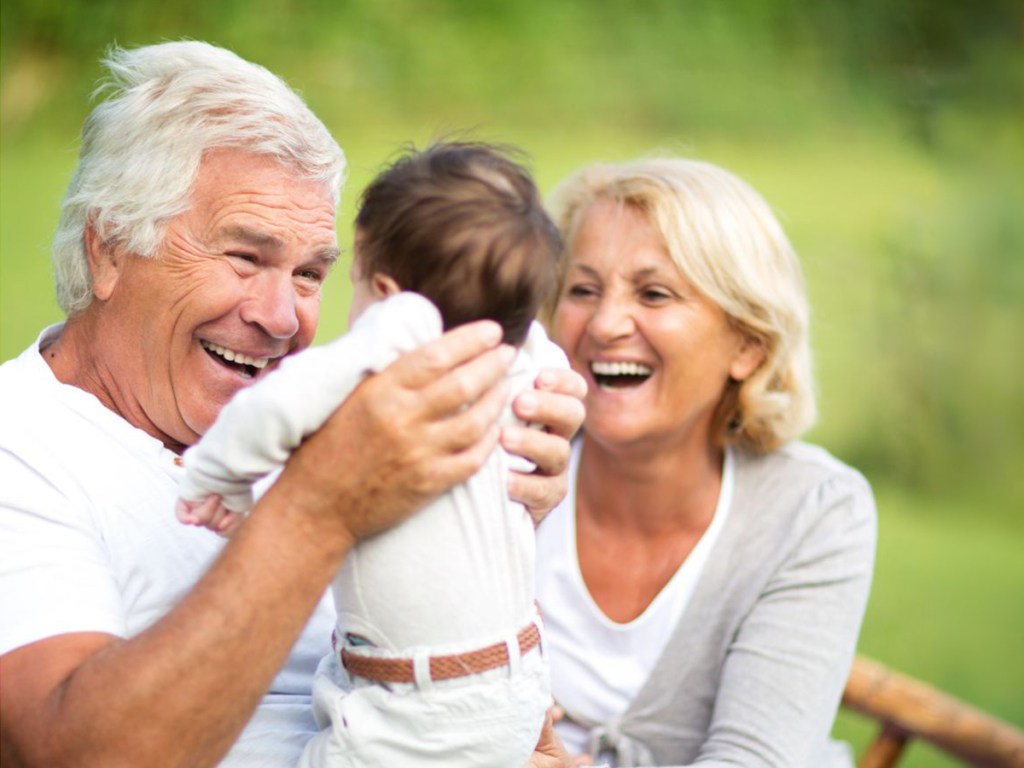
    Photo credit: CanvaSurrogate grandparents laughing with small child.

    Raising kids today doesn’t match the historical “it takes a village” experience many grew up with. Not because people don’t care, but because life doesn’t seem to line up that way anymore. Families are spread out across the country and sometimes the world. Few grandparents live just up the street. There’s no built-in help for childcare and no extra sets of hands when things get overwhelming.

    In response to that missing piece in raising kids, some people have looked for other ways to create something similar. One path is Surrogate Grandparents – USA, a Facebook-based community that connects older adults with families.

    surrogate grandparents, chosen family, connecting seniors, programs
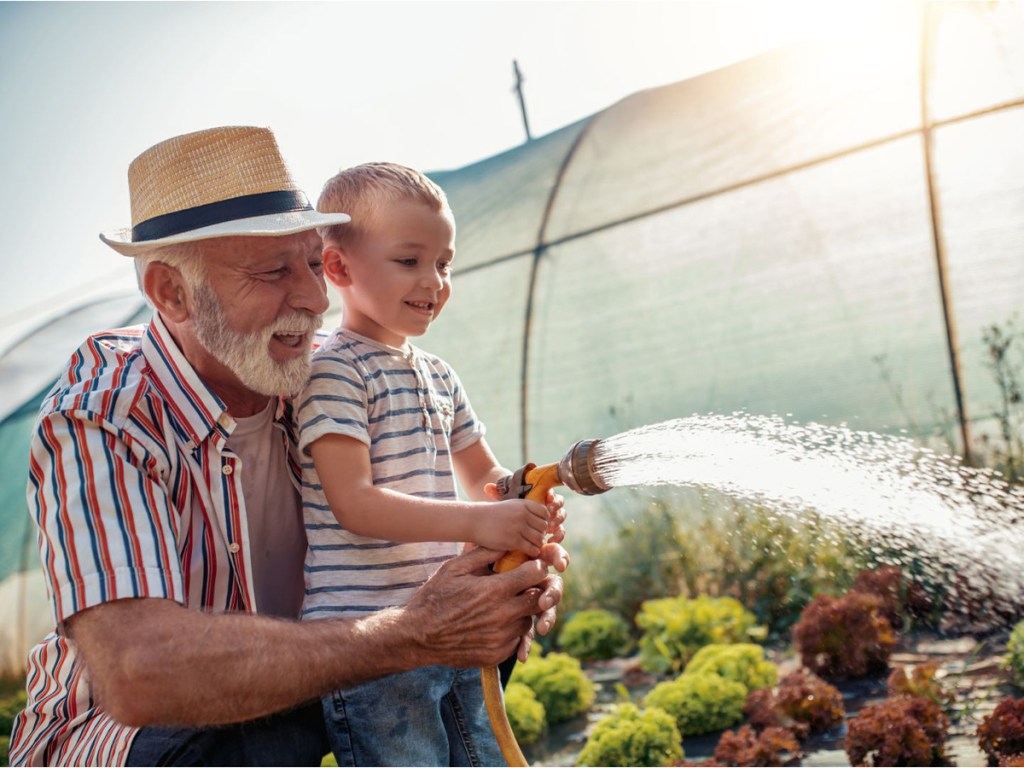
    An older man helps a boy water the plants.
    Photo credit Canva

    Missing out on grandparents nearby, some find new ones online

    Founded in 2015, Surrogate Grandparents – USA offers a platform that works like a community bulletin board. The goal is to bring together families bereft of nearby grandparents with older adults looking to share that kind of family role.

    Over 14,000 members hope to make a surrogate family connection and the possibility of building real love. They describe the opportunity on their Facebook page as follows:

    “A surrogate grandparent is a volunteer or mentor who forms a supportive, grandparent-like relationship with a child or family who may not have local grandparents. These relationships can begin online or in person, often through platforms designed to connect families and older adults.”

    The typical online pattern might look like a family posting on the page that their children don’t have nearby grandparents and would love a consistent older presence in their lives. Someone responds. They all start talking. Then, they meet in person.

    Those introductions can turn into something steady with regular check-ins. Children receive the face-to-face guidance and experience that an older generation can offer. The surrogate grandparents gain a sense of purpose they hadn’t anticipated at this stage of their lives.

    support system, children bonding, mentorship, extended family
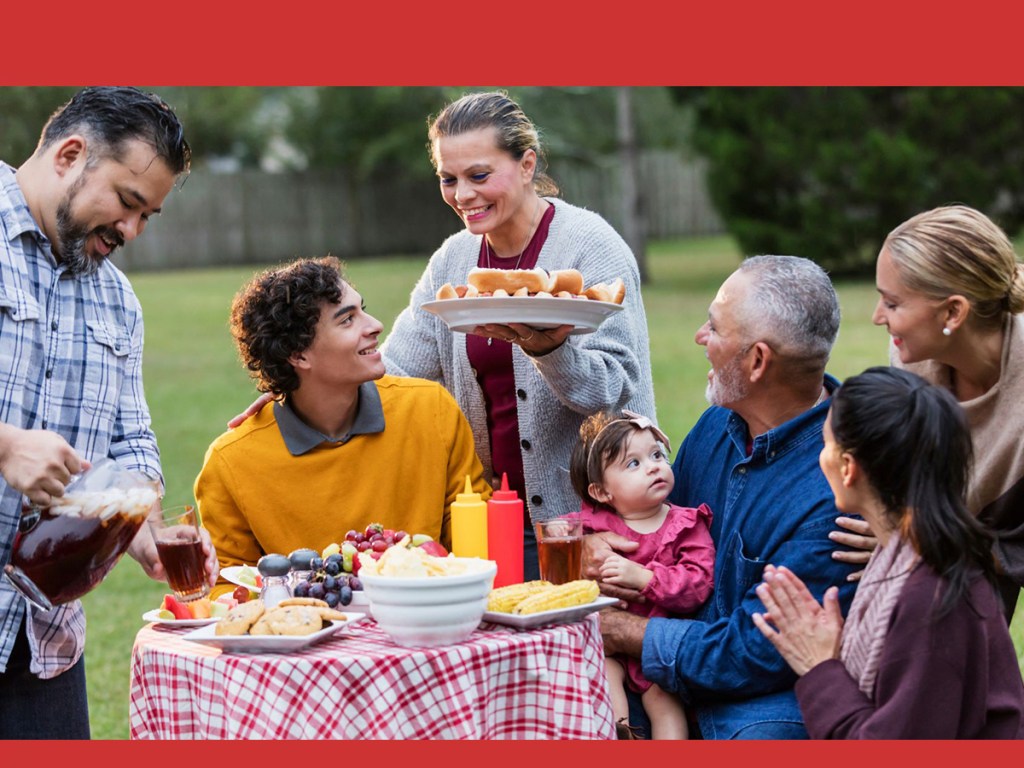
    A family picnic.
    Photo credit Canva

    Surrogate grandparent success stories

    One success story was shared in Newsweek. In 2019, Deborah Whatley, then aged 64, joined the Facebook group with her husband. Hoping to fill a need within their own lives, they connected with the Nelsons, and a beautiful relationship quickly blossomed.

    The families share photos, meet in person about every month, and text regularly. “We’ve met up more times than I can count,” explained Whatley. “I just wanted to feel included. I have the time, the energy, and the desire. Discovering the surrogate grandparents group instantly brought light back into a part of my life that had turned dark,” she added.

    CBS News reported that Anteres Anderson Turner and Louis Turner wished to extend their own family while raising twin boys. Janet Firestein Daw welcomed the idea of grandchildren in her life, saying, “I was getting older and I wanted to get down on the floor and play Legos and trains and read books.”

    After meeting through the Facebook group, the relationship between the two families really worked. Daw continued, “It’s indescribable for me, because I haven’t had that experience before to be that grandparent, and I love it.”

    Facebook closes the page

    Earlier this year, the Facebook group became inaccessible. There haven’t been any publicly reported reasons from Facebook itself. However, an administrator for the page shared, “Surrogate Grandparents-USA group was unfortunately erroneously removed by Meta. We are actively working to have it reinstated.”

    Thankfully, the page was reopened in time. In an Instagram post dated April 11, 2026, they said, “This morning, my Surrogate Grandparents-USA group was officially reinstated.” The post continues, “What a journey this has been—stressful, emotional, and at times incredibly disheartening. But I never stopped believing in the purpose of this community…and the power of speaking up when something isn’t right.”

    community, kindness, parenting support, family structures
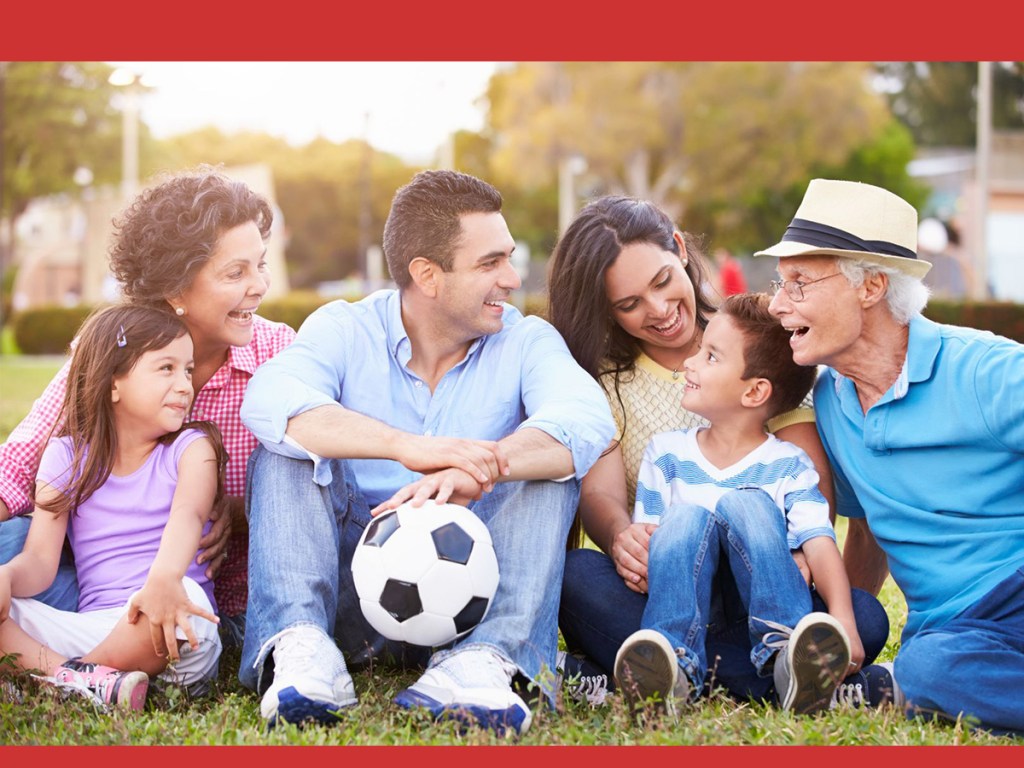
    An extended family at the park.
    Photo credit Canva

    A shift in how family works

    The structures that used to hold families together aren’t as automatic as they once were. For a long time, grandparents lived nearby. Neighbors remained for decades. Communities were tighter, and lives were more interwoven. Support existed from a simple proximity.

    But families move. Relationships change. Career and circumstance have stretched people farther apart. Places like Surrogate Grandparents – USA fill roles that certain families are missing. It may not work for everyone, but for many, it’s a chance to build community in a whole new way.

  • Italian man claims to be ‘human cheetah’ with lightning-fast reflexes
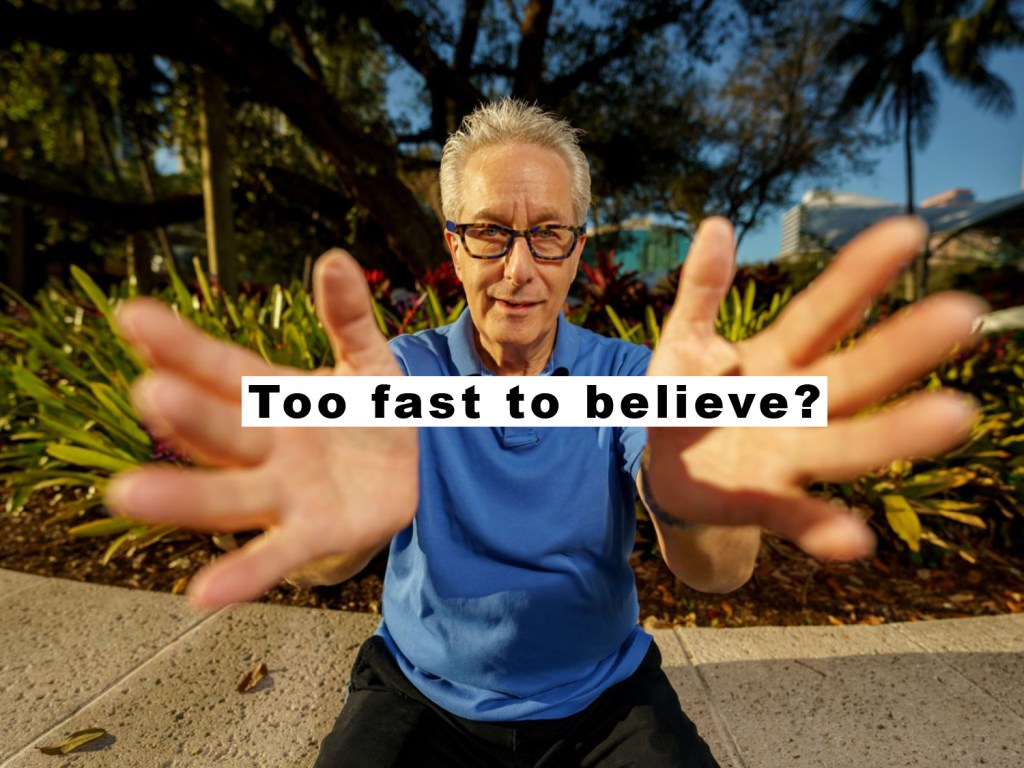
    Photo credit: CanvaA man with fast reflexes.

    At first glance, this probably looks like a camera trick. Ken Lee, an Italian content creator, has built a massive online following by doing something that doesn’t quite feel real. Viewers refer to him as the “human cheetah” because it appears he has near-instant reflexes.

    Grabbing objects out of the air with uncanny precision, flicking clothespins and lighters, and throwing a blur of punches and kicks at impossible speeds, it is easy to call him unbelievable. Half the audience thinks his viral speed videos are fake. The other half is just as convinced they are watching something incredibly rare.

    Hands so fast they blur time

    In the video above, a timer runs to confirm its authenticity. In what looks like half a second, he reaches out and snags the lighter from the table. To prove it is real, he does it twice.

    Having amassed millions of followers on his TikTok page, the identity behind the mysterious influencer remains largely unknown. Active since around 2022, with almost 100 million accumulated likes, Lee has cultivated a fandom around his self-proclaimed “Superhero per Hobby!”

    Do you believe it is real? Is this person the fastest human alive? Many followers cannot wait for the next video to be posted. Plenty of his fervent fans are Italian, so sifting through the remarks takes a bit of hunting. Here are some comments that sum up how much people enjoy the fun and the spectacle:

    “Ken lee the fastest and the best”

    “Most dangerous human”

    “Is this what the lighter sees before my homie steals it”

    “It was sped up during he grabbed the lighter, if u count up with the timer u would be off by like 0,5 seconds whenever he grabs the lighter.”

    “If the flash were human”

    “How is it possible to get such powers ?”

    “I blinked and I missed it”

    People love good entertainment

    The awe of peak performance attracts people to watch elite athletes, musicians, or even dancers. There is something that deeply satisfies all of us when a human appears to push a skill to its limit. Whether it is real or fake seems to matter less than the opportunity to chime in on some good entertainment.

    How far could any of us go by practicing and repeating a particular motion over and over until it is mastered? Beneath the flashy nickname and his viral speed videos, Lee’s content has a way of drawing people in. This is not a superpower. Just repetition. Focus. Obsession. And maybe some digital wizardry.

    Testing the science of speed

    If you wish to question the validity of Lee’s performances, maybe some basic science can help. Human reaction time is not just a reflex. A 2024 study found that the nervous system can fine-tune responses in real time. Practice can make movements appear almost automatic.

    It has been well established in research that the gap between seeing something and responding has a limit. A 2025 study concluded that the most elite extremes allow for reaction times of 100 milliseconds. At that speed, the human brain can barely process that something has happened.

    Science explains Lee is not necessarily moving as fast as we might perceive him to be. And therein lies all the fun of it. We cannot prove it is real, nor can we actually prove that it is fake.

    Maybe Lee is the “fastest man alive” or the so-called “human cheetah.” Or maybe he is just a remarkable entertainer. Either way, he has clearly tapped into something strange and fascinating: a blend of human ability and fantasy that people do not want to miss.

    To give context to Lee’s videos, watch this performance on Tú Sí Que Vales:

  • Why some health professionals are recommending pet ownership for better health
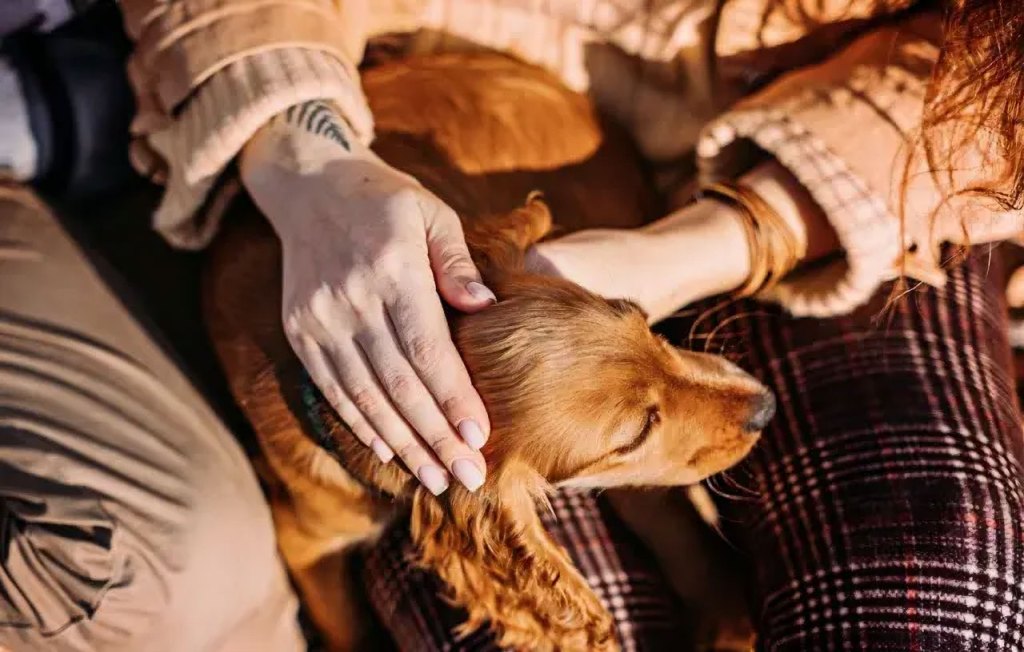
    A dog rests on its owner's lap as they pet its head.

    Christine Abdelmalek for Pink Papyrus

    Research suggests that pet ownership is associated with higher life satisfaction, with some studies estimating its impact as comparable to that of a substantial increase in income. According to the paper The Value of Pets by Michael W. Gmeiner and Adelina Gschwandtner, this comparison reflects a modeled relationship between life satisfaction and income rather than a literal financial gain.

    Beyond the obvious companionship and social benefits, having a dog (or any other pet) waiting for you at home can also improve your health. Studies show that just 10 minutes of petting a dog while making eye contact can significantly reduce stress levels.

    The growing body of research is convincing enough that more U.S. health professionals are beginning to recommend pet ownership as part of treatment plans.

    Pink Papyrus explores research on the health benefits of pet ownership and why some professionals recommend it.

    Why Are Health Professionals ‘Prescribing’ Pets?

    A recent Human Animal Bond Research Institute (HABRI) report found that 1 in 5 pet owners say a doctor or therapist has recommended pet ownership to support their health. This reflects patient-reported experiences rather than a direct measure of how widely health professionals recommend pets.

    The Science Behind the Data

    Petting a dog for five to 10 minutes triggers the release of oxytocin, also known as the love hormone. At the same time, cortisol (the primary stress hormone) levels drop, leaving you feeling calmer and happier.

    The effect goes both ways: dogs also experience increased oxytocin levels during petting. And if you make eye contact with your pet while stroking their fur, the feeling of calm and general positivity can be even stronger.

    A study meta-analysis by the American Heart Association also shows that dog owners have a 31% lower risk of mortality from cardiovascular disease compared to those who don’t own dogs. This is largely due to increased physical activity (walks, play, grooming) and lower autonomic stress.

    Dog Walks Help Combat Loneliness

    Dog walks are great for more than just getting your daily steps; they’re a natural way to meet other dog owners and spend time outside, surrounded by people. For anyone feeling a bit isolated, that alone can make a real difference.

    Dog walking has quietly become a gateway into online communities, where people share routines, tips, and even creative spins on their daily outings.

    One trend that’s gained traction among more style-conscious pet parents is coordinating outfits with their dogs using playful accessories. Some brands have helped fuel this movement, turning a simple walk into a form of self-expression and something people love to share and bond over online.

    Emotional Support Animals

    While any pet can be an emotional support animal, dogs are usually on the front lines. These are not service dogs, trained to perform specific activities; their job is to provide therapeutic benefit through their presence alone.

    Due to our deep bond, dogs can act as a physiological regulator. Besides petting and mutual gazing, many owners practice deep pressure therapy, in which the dog lies across the owner’s lap or chest. This weight triggers the parasympathetic nervous system, helping to ground a person during a panic attack or high-anxiety episode.

    Furthermore, the daily routine of feeding, walking, grooming, bathroom breaks, etc., is beneficial for people who struggle with depression or anxiety. If you don’t have the motivation to get out of bed in the morning, you will do it for your dog.

    Seniors also feel that their pets provide a sense of purpose, which helps keep both mind and body engaged. Having a pet depend on you can provide a powerful sense of self-worth.

    The $22B Answer

    Further research from HABRI highlights another angle: the economic impact on the U.S. healthcare system. According to its latest report, pet ownership saves an estimated $22.7 billion annually in medical costs.

    On average, pet owners visit the doctor less frequently. Dog owners, in particular, tend to be more physically active, contributing to lower rates of obesity and cardiovascular disease.

    The benefits extend beyond physical health. Many seniors find meaningful companionship in their pets or use them as a bridge to connect with other pet owners, helping reduce the risks associated with social isolation. Veterans living with PTSD also benefit from emotional support animals, which can lower long-term treatment costs.

    A Healthier, Less Lonely Future

    Pets play a meaningful role in our well-being. As both companions and sources of emotional support, they deliver proven benefits for physical and mental health.

    The data also points to a measurable impact on public health. That said, these benefits depend on responsible ownership. Health professionals must weigh the advantages against an individual’s ability to provide a stable home and consistent veterinary care.

    This story was produced by Pink Papyrus and reviewed and distributed by Stacker.

Explore More Stories

Society

10 conversation starters that actually work, according to communication experts

Voices

Husband steals the spotlight picking up PR packages for wife who became an influencer at 80

Public Good

The evidence points to a crisis in teaching, yet Gen Z is still choosing to show up in the classroom

Environment

America’s next big critical minerals source could be coal mine pollution – if we can agree on who owns it