
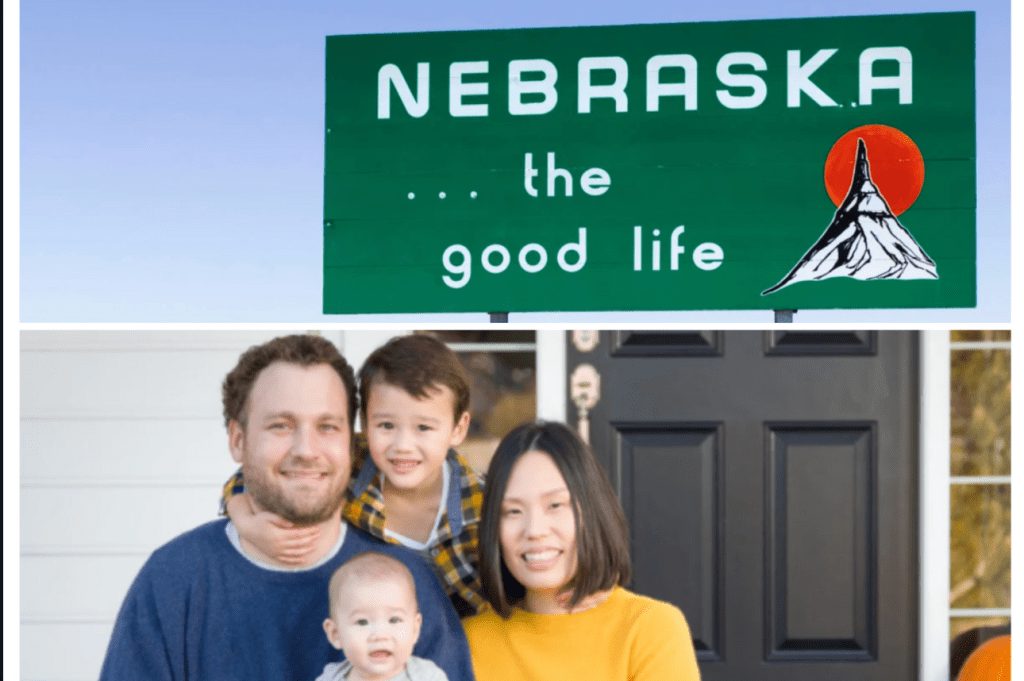
Each year, the popular personal finance website WalletHub provides an extensive list of the Happiest States in America. As many may suspect, states like Hawaii that are known for favorable weather, relaxation, and fun destinations ranked fairly high, yet there were some surprises. Notably, Nebraska leaped from ranking ninth in the 2024 happiness list all the way up to third place in 2025.
How did Nebraska make such a significant jump in happiness and contentment compared to other states? With all due respect to the citizens of Nebraska, it’s not as well known, promoted, or referenced within American culture as a hub of interest in comparison to coastal states such as New York, California, and Florida. In fact, only two of their cities, Omaha and Lincoln, were in WalletHub’s Happiest Cities in America list in 2025. So what gives?
“In addition to pursuing your passions, having a good work-life balance and maintaining an emotional support network, another key way to boost your happiness is living in the right place,” says WalletHub analyst Chip Lupo. “The happiest states are those that provide above-average quality of life in a wide variety of areas, from strong state economies and high quality physical and mental health care to adequate amounts of leisure time and good weather.”
As you may suspect, there is no one reason why Nebraska ranked so high and why the Cornhuskers that live there take pride in their home. When WalletHub puts together their list, they assess 30 different metrics of data and place them into three categories: work, community, and emotional/physical well-being. Within those three categories are self-reported examinations and vetted statistics about life expectancy, job satisfaction, and even elements like leisure time. Speaking of leisure time, Nebraska had the most leisure time of any state even though it’s the tenth hardest-working state.
WalletHub notes that Nebraska had the fourth-lowest unemployment rate and ranked second in terms of economic security. These rankings were determined by the number of residents who were financially stable, employed, and insured. The positive economic factors contribute to other elements regarding physical health and mental health in the state, which impacted Nebraska’s overall high happiness ranking.
Regarding healthiness, Nebraska had the sixth-lowest depression rate and ninth-highest reports of good or improving physical health from its residents. When it comes to mental health, WalletHub isn’t the only one praising the state; Soliant Health ranked Nebraska as the third-best state for mental health in 2025. These factors, along with the economy, contribute to overall better social conditions, which explains how Nebraska had the sixth-lowest divorce rate and tied for third with Minnesota for having the most volunteers, with 40.3% of Nebraskans donating their time to worthy causes.
Another factor to note is how Nebraska’s education system impacts the happiness of the kids, parents, and educators. ProCare Therapy’s Best States for Teachers list ranked Nebraska second, noting the high teacher retention rate and the amount of education spending: 25.3% of state and local budgets going to K–12 education.
“Teachers are the backbone of our educational system, and their well-being directly impacts student success,” said Stephanie Morris, senior vice president of ProCare Therapy. “By uncovering where educators are thriving, we hope that other states can look to leaders like Nebraska as models for investing in those who shape the future of our children.”
In addition, Nebraska ranked fourth-best in the nation for sleep, with Lincoln and Omaha coming in the top ten, according to the Sleep Foundation.
As with anything, there are pros and cons to living in Nebraska. While the state’s overall affordability is attractive, especially with the average house priced under $300,000, it’s not built for everyone. If you’re a person that likes big cities and a hustle-and-bustle lifestyle, Nebraska might not be for you as its highest populated city, Omaha, has less than 490,000 people. While the nature and greenery is nice, the winters are tough. Nebraska also has a higher tornado risk compared to other states even though there are currently less tornadoes than usual.
Cons aside, while this all looks great for Nebraska and the other top states, this doesn’t mean that happiness is guaranteed. As Lupo said, living in the right place is one of the key ways to help increase happiness.
While external factors such as where you live can definitely influence and impact your happiness, there are still personal metrics involved. Psychologists say committing to certain behaviors such as mindfulness and gratitude can make a person happier regardless of zip code.
Whether you’re looking for a fresh start or are happy where you currently live, it’s good to know what else is out there. Knowing how others are achieving happiness can help you choose the paths to take in order to improve your life, whether it’s a path to a new career, a healthier lifestyle, or a literal one to Nebraska.