I am one of the 51 million people worldwide living with schizophrenia, diagnosed five years ago when I was 25 years old. Since then, I’ve been wrestling not only with the uncomfortable and often scary effects of the illness itself, but also with the often insensitive way people close to me—and in the culture at large—still view the illness. As of December, the Canadian Mental Health Association ranked schizophrenia as one of the “most stigmatized and misunderstood health issues.” It’s easy, though, to throw around words like “stigma” without appreciating what that means in daily life.

[quote position=”left” is_quote=”true”]Schizophrenia is loud. It is so, so loud.[/quote]


So here’s what it’s like: That news report about a mass shooting and—wait for it—the reporter with no psychology background or experience claiming that the killer has schizophrenia. Your friends on Facebook, swearing that the shooter absolutely has to have schizophrenia, because anyone who willingly shoots up a school must have something seriously wrong with them. It is your family, pointing a finger at you for getting all TMI on the internet. (Don’t you know, it’s nobody’s business what’s wrong with you?)

Of course, schizophrenia can also be a 10-year-long steady job and awkward giggles from your colleagues: “You can’t be schizophrenic, you seem so normal!”

Honestly, I think part of the problem is that other mental health disorders have celebrity advocates. Pop culture can do wonders. Bipolar disorder can claim Carrie Fisher and Demi Lovato. Depression and obsessive-compulsive disorder have Kristen Bell and Maria Bamford. But schizophrenia must make do with A Beautiful Mind’s John Forbes Nash Jr. and—for those in the know—Elyn Saks, two figures who have become cartoonishly exaggerated in the culture’s perception of them.

[youtube ratio=”0.5625″ position=”standard” ]

Schizophrenia isn’t about what you think it is (for example, I haven’t scrawled a bunch of complex mathematical equations on a window lately). It’s loud. It is so, so loud—the voices in your head and the voices outside your head and the typing of keys and the vibrations of phones and the TV and the brewing of coffee and the footsteps behind you. Does he need to follow so closely? I’m sorry, what did you just say? I was too busy listening to the voice telling me I’m a loser.

And my loud world can only be quieted with meds that can take two months to end up in my medicine cabinet because securing an appointment with my psychiatrist is such an ordeal. And those meds often end up causing acne or depression or diarrhea, or leave me barely able to function—let alone work efficiently. (Sometimes I need to sleep 12 hours and take two daytime naps just to stay alive.)

Ever since my diagnosis, I’ve dedicated myself to advocacy on behalf of those with schizophrenia. Many who, because they aren’t writers like me, don’t have a way to voice their experience or are too afraid to use it because they have been stigmatized to the point of personal bullying and assault, as Miguel Angel González-Torres laid out in his 2016 paper “Stigma And Discrimination Towards People With Schizophrenia And Their Family Members.” Yet, despite how often I try to educate others about my illness, I face daily comments like, “You don’t look schizophrenic; you’re too well put together.” I’m sorry, what do schizophrenics look like?

[quote position=”full” is_quote=”true”]I call myself schizophrenic. I don’t say that I’m a ‘person with schizophrenia.’ I want to directly own the disease that is part of me.[/quote]

It’s hard to be hopeful in the face of this kind of cumulative misunderstanding. But over time, I have found a few amazing people—still fewer than five, though—writing and talking about their experience living with the illness. I always try to respond to messages from people with schizophrenia, thanking me for my contribution to these people, or from their mothers, asking for help as their sons rot in prison for having a brain disease.

So on their behalf, I want to tell you: Not all schizophrenics are violent people. A lot of us work full-time jobs at Fortune 500 companies or write novels for fun and go out for coffee just like everyone else. In fact, violence committed by schizophrenic people makes up less than 10 percent of violent crimes. Schizophrenia is people who look like you and work like you and buy gifts during the holidays like you and kiss their loved ones at night like you, just trying so hard to live a happy, functional life. A life where we might be remembered as that neighbor who always said good morning or that author who poured her life out on the page.

A schizophrenic life. I call myself schizophrenic, by the way. I don’t say that I’m a “person with schizophrenia.” I want to directly own the disease as something that is part of me and that will never go away. It is not a crutch. My schizophrenia helps me be creative and find passion in the small victories. It makes me who I am, which means that it’s something to be thankful for.

  • Social media before bedtime wreaks havoc on our sleep − a sleep researcher explains why screens alone aren’t the main culprit
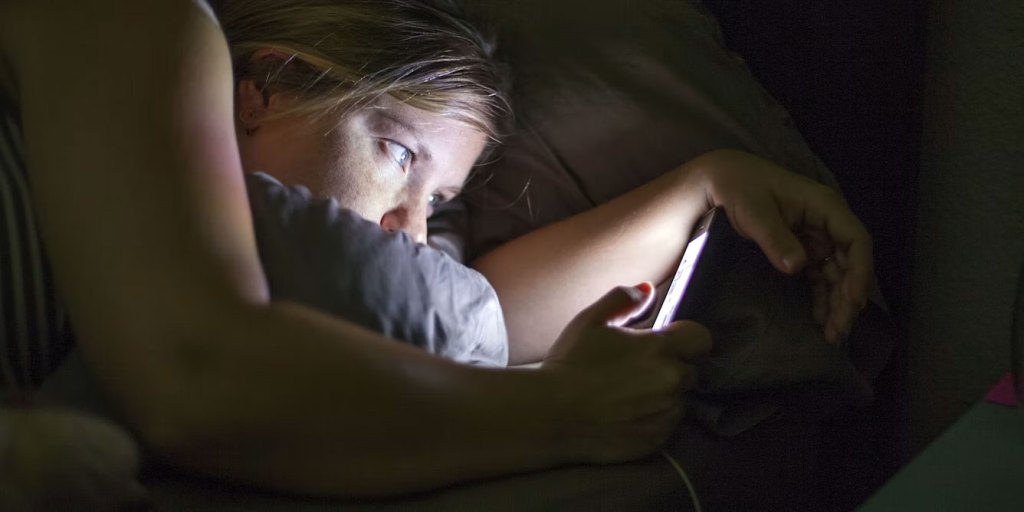
    Photo credit: Adam Hester/Tetra Images via Getty ImagesSocial media use before bedtime can be stimulating in ways that screen time alone is not.

    “Avoid screens before bed” is one of the most common pieces of sleep advice. But what if the real problem isn’t screen time − it’s the way we use social media at night?

    Sleep deprivation is one of the most widespread yet overlooked public health issues, especially among young adults and adolescents.

    Despite needing eight to 10 hours of sleep, most adolescents fall short, while nearly two-thirds of young adults regularly get less than the recommended seven to nine hours.

    Poor sleep isn’t just about feeling tired − it’s linked to worsened mental healthemotion regulationmemoryacademic performance and even increased risk for chronic illness and early mortality.

    At the same time, social media is nearly universal among young adults, with 84% using at least one platform daily. While research has long focused on screen time as the culprit for poor sleep, growing evidence suggests that how often people check social media − and how emotionally engaged they are − matters even more than how long they spend online.

    As a social psychologist and sleep researcher, I study how social behaviors, including social media habits, affect sleep and well-being. Sleep isn’t just an individual behavior; it’s shaped by our social environments and relationships.

    And one of the most common yet underestimated factors shaping modern sleep? How we engage with social media before bed.

    Emotional investment in social media

    Beyond simply measuring time spent on social media, researchers have started looking at how emotionally connected people feel to their social media use.

    Some studies suggest that the way people emotionally engage with social media may have a greater impact on sleep quality than the total time they spend online.

    In a 2024 study of 830 young adults, my colleagues and I examined how different types of social media engagement predicted sleep problems. We found that frequent social media visits and emotional investment were stronger predictors of poor sleep than total screen time. Additionally, presleep cognitive arousal and social comparison played a key role in linking social media engagement to sleep disruption, suggesting that social media’s effects on sleep extend beyond simple screen exposure.

    I believe these findings suggest that cutting screen time alone may not be enough − reducing how often people check social media and how emotionally connected they feel to it may be more effective in promoting healthier sleep habits.

    How social media disrupts sleep

    If you’ve ever struggled to fall asleep after scrolling through social media, it’s not just the screen keeping you awake. While blue light can delay melatonin productionmy team’s research and that of others suggests that the way people interact with social media may play an even bigger role in sleep disruption.

    Here are some of the biggest ways social media interferes with your sleep:

    • Presleep arousal: Doomscrolling and emotionally charged content on social media keeps your brain in a state of heightened alertness, making it harder to relax and fall asleep. Whether it’s political debates, distressing news or even exciting personal updates, emotionally stimulating content can trigger increased cognitive and physiological arousal that delays sleep onset.
    • Social comparison: Viewing idealized social media posts before bed can lead to upward social comparison, increasing stress and making it harder to sleep. People tend to compare themselves to highly curated versions of others’ lives − vacations, fitness progress, career milestones − which can lead to feelings of inadequacy and anxiety that disrupt sleep.
    • Habitual checking: Social media use after lights out is a strong predictor of poor sleep, as checking notifications and scrolling before bed can quickly become an automatic habit. Studies have shown that nighttime-specific social media use, especially after lights are out, is linked to shorter sleep duration, later bedtimes and lower sleep quality. This pattern reflects bedtime procrastination, where people delay sleep despite knowing it would be better for their health and well-being.
    • Fear of missing out, or FOMO: The urge to stay connected also keeps many people scrolling long past their intended bedtime, making sleep feel secondary to staying updated. Research shows that higher FOMO levels are linked to more frequent nighttime social media use and poorer sleep quality. The anticipation of new messages, posts or updates can create a sense of social pressure to stay online and reinforce the habit of delaying sleep.

    Taken together, these factors make social media more than just a passive distraction − it becomes an active barrier to restful sleep. In other words, that late-night scroll isn’t harmless − it’s quietly rewiring your sleep and well-being.

    How to use social media without sleep disruption

    You don’t need to quit social media, but restructuring how you engage with it at night could help. Research suggests that small behavioral changes to your bedtime routine can make a significant difference in sleep quality. I suggest trying these practical, evidence-backed strategies for improving your sleep:

    • Give your brain time to wind down: Avoid emotionally charged content 30 to 60 minutes before bed to help your mind relax and prepare for sleep.
    • Create separation between social media and sleep: Set your phone to “Do Not Disturb” or leave it outside the bedroom to avoid the temptation of late-night checking.
    • Reduce mindless scrolling: If you catch yourself endlessly refreshing, take a small, mindful pause and ask yourself: “Do I actually want to be on this app right now?”

    A brief moment of awareness can help break the habit loop.

    This article originally appeared on The Conversation. You can read it here.

  • It’s more than OK for kids to be bored − it’s good for them
    Photo credit: Richard Lewisohn/Connect Images via Getty ImagesWhen children experience boredom, it can result in a brain boost that can push them to explore new activities.

    Boredom is a common part of life, across time and around the world. That’s because boredom serves a useful purpose: It motivates people to pursue new goals and challenges.

    I’m a professor who studies communication and culture. I am currently writing a book about modern parenting, and I’ve noticed that many parents try to help their kids avoid boredom. They might see it as a negative emotion that they don’t want their children to experience. Or they might steer them into doing something that they see as more productive.

    There are various reasons they want to prevent their children from being bored. Many parents are busy with work. They’re stressed about money, child care responsibilities and managing other parts of daily life. Making sure a child is occupied with a game, a TV show or an arts and crafts project at home can help parents work uninterrupted, or make dinner, without their children complaining that they are bored.

    Parents may also feel pressure for their children to succeed, whether that means getting admitted to a selective school, or becoming a good athlete or an accomplished musician.

    Children also spend less time playing freely outside and more time participating in structured activities than they did a few decades ago.

    Easy access to screens has made it possible to avoid boredom more than ever before.

    Many parents needed to put their children in front of screens throughout the pandemic to keep them occupied during work hours. More recently, some parents have reported feeling social pressure to use screens to keep children quiet in public spaces.

    That is to say, there are various reasons why parents shy away from their kids being bored. But before striving to eliminate boredom completely, it’s important to know the benefits of boredom.

    A young girl with dark hair lays on her stomach on a couch with her arms and legs splayed out.
    Even very young children could benefit from experiencing boredom in short spurts. Oscar Wong/Moment via Getty Images

    Benefits of boredom

    Although boredom feels bad to experience in the moment, it offers real benefits for personal growth.

    Boredom is a signal that a change is needed, whether it be a change in scenery, activity or company. Psychologists have found that the experience of boredom can lead to discovering new goals and trying new activities.

    Harvard public and nonprofit leadership professor Arthur Brooks has found that boredom is necessary for reflection. Downtime leaves room to ask the big questions in life and find meaning.

    Children who are rarely bored could become adults who cannot cope with boredom. Boredom also offers a brain boost that can cultivate a child’s innate curiosity and creativity.

    Learning to manage boredom and other negative emotions is an important life skill. When children manage their own time, it can help them develop executive function, which includes the ability to set goals and make plans.

    The benefits of boredom make sense from an evolutionary perspective. Boredom is extremely common. It affects all ages, genders and cultures, and teens are especially prone to boredom. Natural selection favors traits that offer a leg up, so it is unlikely that boredom would be so prevalent if it did not deliver some advantages.

    Parents should be wary of treating boredom as a problem they must solve for their children. Psychologists have found that college students with overly involved parents suffer from more depression.

    Other research shows that young children who were given screens to help them calm down were less equipped to regulate their emotions as they got older.

    Boredom is uncomfortable

    Tolerating boredom is a skill that many children resist learning or do not have the opportunity to develop. Even many adults would rather shock themselves with electricity than experience boredom.

    It takes practice to learn how to handle boredom. Start with small doses of boredom and work up to longer stretches of unstructured time. Tips for parents include getting kids outside, suggesting a new game or recipe, or simply resting. Creating space for boredom means that there will be some stretches of time when nothing in particular is happening.

    Younger children might need ideas for what they could do when bored. Parents do not need to play with them every time they are bored, but offering suggestions is helpful. Even five minutes of boredom is a good start for the youngest children.

    Encouraging older children to solve the problem of boredom themselves is especially empowering. Let them know that boredom is a normal part of life even though it might feel unpleasant.

    It gets easier

    Children are adaptable.

    As children get used to occasional boredom, it will take them longer to become bored in the future. People find life less boring once they regularly experience boredom.

    Letting go of the obligation to keep children entertained could also help parents feel less stressed. Approximately 41% of parents in the U.S. said they “are so stressed they cannot function,” and 48% reported that “most days their stress is completely overwhelming,” according to a report from the U.S. surgeon general in 2024.

    So the next time a kid complains, “I’m bored!” don’t feel guilty or frustrated. Boredom is a healthy part of life. It prompts us to be self-directed, find new hobbies and take on new challenges.

    Let children know that a little boredom isn’t just OK – in fact, it’s good for them.

    This article originally appeared on The Conversation. You can read it here.

  • A dementia patient and his wife got their lives back thanks to a ‘coat rack-like’ robot
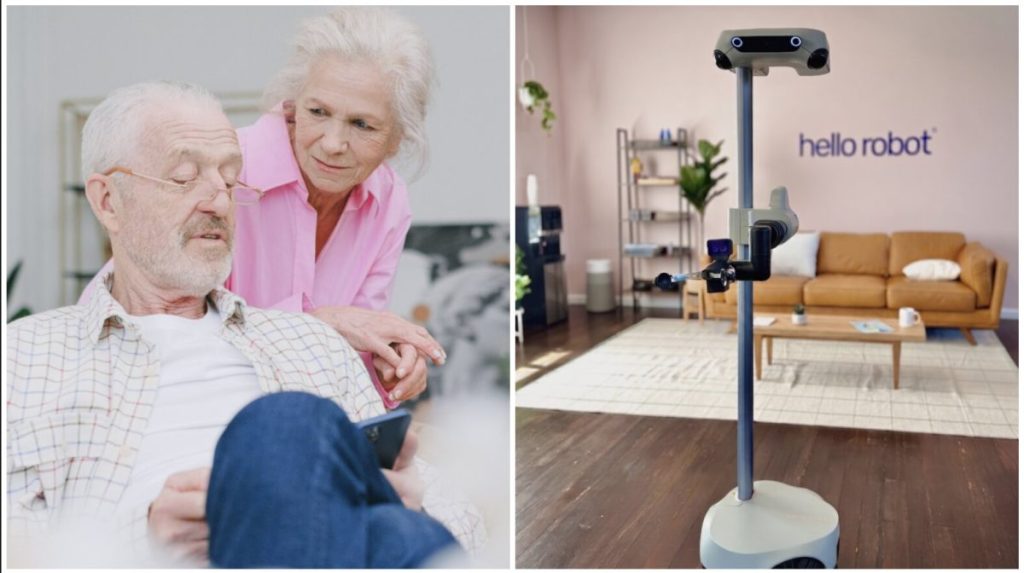
    Photo credit: Canva/Hello RobotStretch 4 could be one of many options for advanced senior care.

    Brenda and Brian Marquis are part of a growing senior population with mental and physical ailments. In particular, Brian has dementia from a brain injury he sustained in 2012. Brenda would help Brian remember to wash himself, eat lunch, and other tasks. On top of that, both live with other physical, cognitive, and emotional disabilities that make day-to-day living difficult. Then came “Robbie.”

    “Robbie” is the robot that helps the Marquis family with their daily routines at home. Resembling a coat rack, the robot was presented to the Marquis family after Brenda sent an email to the University of New Hampshire inquiring about robotic service dogs. Booker T. Bones, the family’s service dog, had passed away and Brenda was looking for similar support. The university saw this as an opportunity for its computer science center to experiment with “socially assistive” robots.

    “Our goal is not to replace a human caregiver but to use technology such as robots to provide complementary care,” Sajay Arthanat, a professor in UNH’s Department of Occupational Therapy told WMUR. “We know that caregivers often have to perform a lot of repetitive, mundane tasks.”

    What exactly is “Robbie”?

    “Robbie” is a Stretch 4 robot model invented by Hello Robot. While a very simple in design, the robot is able to help Brian with a number of tasks. It reminds him to eat meals at specific times, fetches items such as water bottles out of the fridge, reads the fine print of prescription medications, and more. Stretch 4 also has prompts that activate when he enters certain rooms of the home, such as the bathroom.

    “I was never into technology,” Brian Marquis said to Sentinel Colorado. “Then I realized I can’t remember to wash my face and my armpits. So, it just really kind of set me free almost.”

    Robbie hasn’t just helped Brian live more independently, but Brenda as well. She doesn’t have to be by Brian’s side 24/7. Now, she can go out and play mahjong with her friends without worrying about leaving Brian alone for several hours.

    A growing issue for older Americans

    Per the Department of Health and Human Services, the majority of older adults are projected to need long-term care and service. This could range from basic needs to extreme health cases. In addition, a 2025 report released by the Bureau of Labor Statistics found that 38.2 million people provided unpaid elder care. Around 28% of those people provided nearly four hours of unpaid elder care per day.

    The number of people who need such help is projected to grow exponentially. By 2030, the number of Americans over 65 is expected to surpass the number under 18 for the first time in U.S. history. The number of Americans over 65 years old is projected to reach 82 million, a 40% growth from 2022.

    This is, in part, why there has been such massive investment in robots and A.I. specializing in caring for elderly people. It’s not just to ensure that the elderly have the assistance they need for day-to-day tasks. Eldercare robots also boost their patient’s confidence by allowing them to live as safely and independently as they can. In addition to task-oriented robots like Stretch 4, there are also robots to assist with mobility.

    Robotics are helping improve the lives of the elderly as a new and exciting care option. With the help of medication, personal care from a human, community, and more, the growing elderly population can thrive through their golden years. For more eldercare resources, visit the National Institute on Aging.

    Whether through use of a robot or not, finding solutions to aid and care for our older populations ultimately benefits society as a whole.

Explore More Health Stories

Health

Social media before bedtime wreaks havoc on our sleep − a sleep researcher explains why screens alone aren’t the main culprit

Health

It’s more than OK for kids to be bored − it’s good for them

Care

A dementia patient and his wife got their lives back thanks to a ‘coat rack-like’ robot

Health

Who are hospital ethics consultants, and why should you care?