“Men don’t cry.” This phrase has long discouraged men from showing vulnerability, pushing the idea that to be a “protector” and “provider,” men must hide their emotions. This belief paints emotional expression as inherently feminine, even though men experience emotions just as deeply. Canadian teacher Brendan Kwiatkowski (@remasculine) dives into this issue, describing it as a “boy crisis.” In his TikTok video, “The boy crises at ages 5 and 15,” Brendan examines how boys are conditioned to suppress emotions, especially tears.

Representative Image Source: Pexels | Ibraim Leonardo

From a young age, boys are taught that being “strong” means not crying. Yet, as one GetPocket article points out, “History is full of sorrowful knights, sobbing monks, and weeping lovers – what happened to the noble art of the manly cry?” Brendan’s 2023 video explains that this emotional suppression often begins around ages 5 and 15. His insights clearly struck a chord, with the video amassing over 1.4 million views, 2,800 comments, and close to 115,000 likes, highlighting a widespread yearning for change in how society treats boys’ emotions.
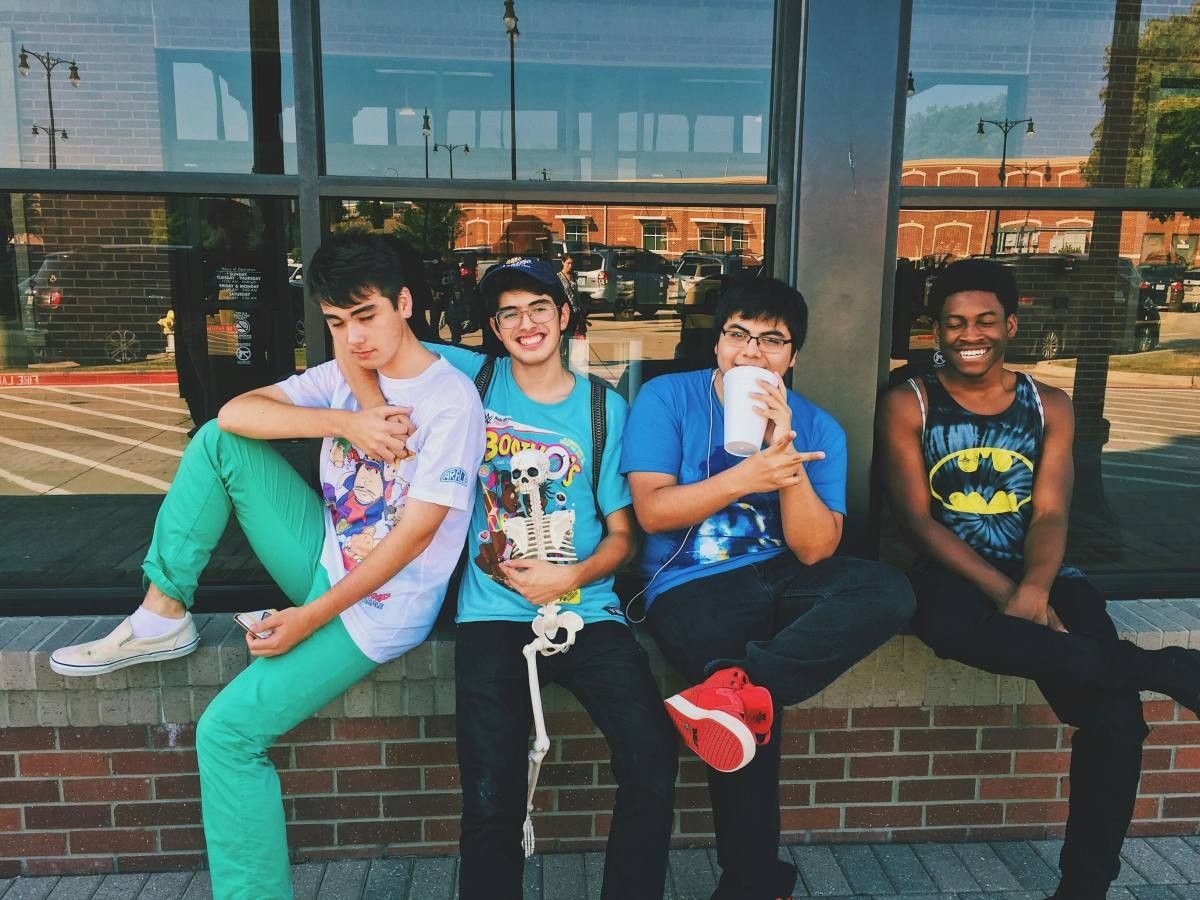
Representative Image Source: Pexels | Kat Wilcox

“Let’s talk about the boy crisis that happens around the age of 5 and 15,” said Brendan, who researches the social-emotional development, and wellbeing of boys and men. He defined these years of crisis as “significant periods when boys get disconnected from authentic parts of themselves, usually their emotional parts.” Up to age 5, he says, boys are more emotionally expressive than girls. But as they grow, they become less verbally expressive, “although their somatic markers for emotional reactivity do not change, which is indicative that some emotional suppression is going on.”
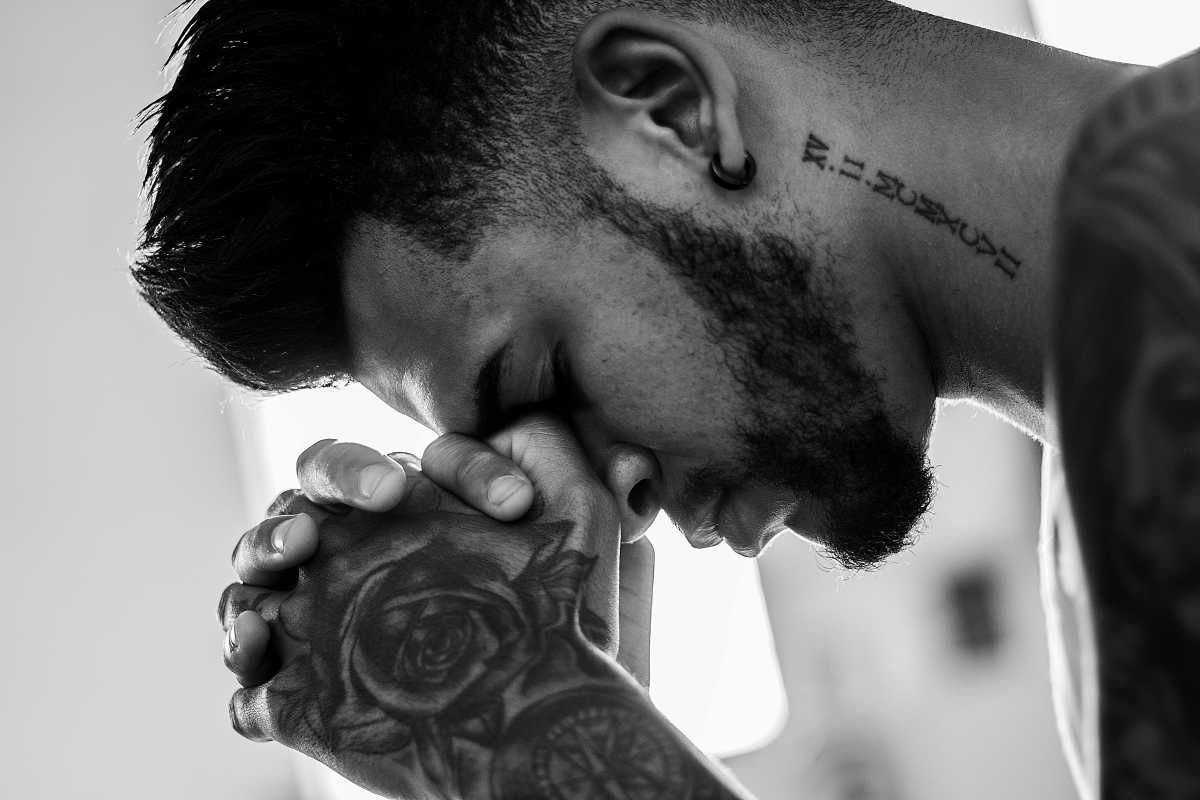
Representative Image Source: Pexels | Ric Rodrigues

“The first boy crisis coincides with the start of school because there’s just greater exposure to socialization pressures,” said Brendan, adding that schools can sometimes promote gender differences and gender stereotypes. For instance, a teacher telling the boys, “I need all the strong boys to help me with this,” or celebrating a girl’s compliance or neatness. “Schools just provide more opportunities for social shame,” he proclaimed.


via GIPHY


“So if a boy likes unicorns or dancing and you have one kid that said, oh, that’s girly, that can be the start of them shutting down some part of themselves that they’d rather not shut down,” he said, giving the example of a PhD boy who said he wanted to take part in acting and singing lessons, but just felt like it was something odd for a boy to do. So, he never pursued it.
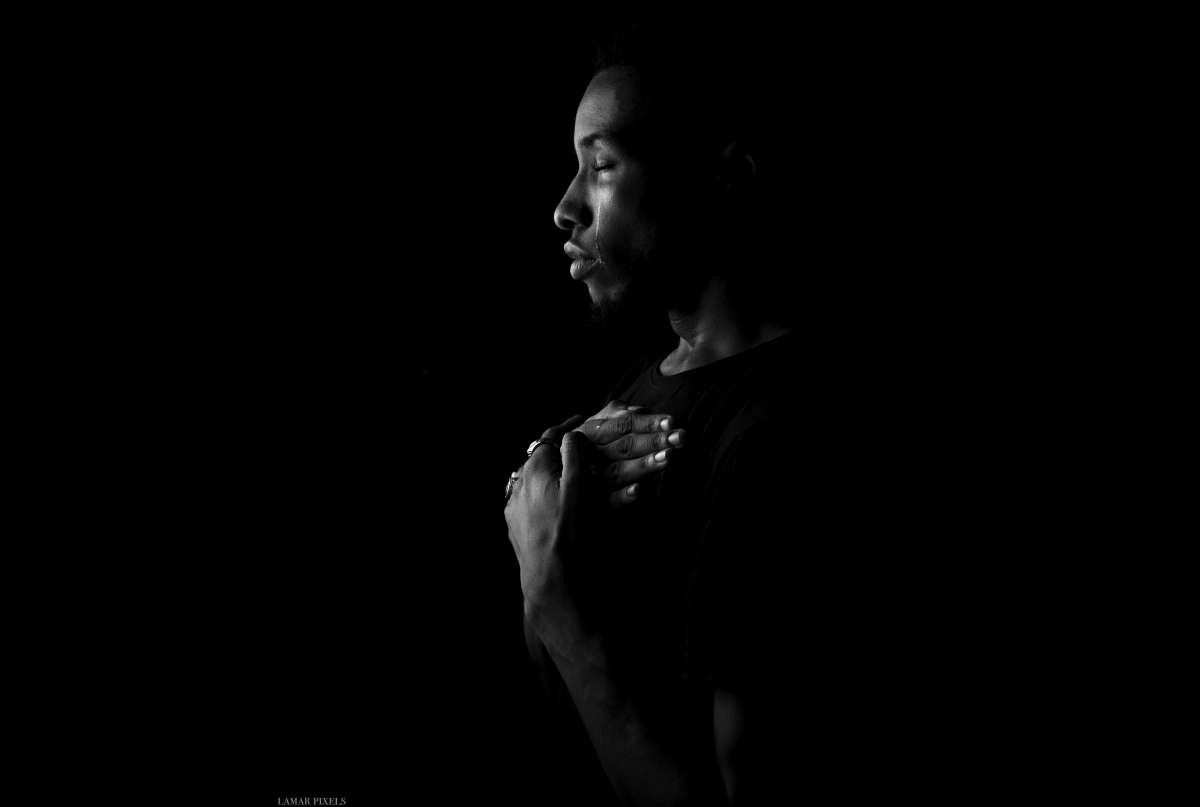
Representative Image Source: Pexels | Bello Olamide

Brendan revealed that the second boy crisis occurs around ages 14 or 15, coinciding with the transition to high school. Plus puberty and intimate relationships bring all the insecurities and strong emotions to the surface, which is overwhelming for the guys. “So they have a cesspool of insecurity and uncertainty, And this is when the masculine pressure to be manly, restricts their emotions,” the teacher added.


“In my research, 12 boys aged 17 to 19, said when they were 14 or 15, they felt like they were least authentic. That they had to wear the mask of masculinity, especially at school,” Brendan recalled and further said that boys are taught to squash two important emotions in particular: “fear and sadness.” Painting of a man weeping in melancholy is a rare sight after all. Brendan gave a lot of reasons for this happening. “Some of it is due to the implicit bias that mothers and fathers tend to use less emotional language when talking to their sons as compared to their daughters, particularly about events that might be sad or scary,” he explained.


via GIPHY


Sometimes, parents can be too concerned about their sons appearing as too feminine, he added. “So, to protect their sons from potential bullying or judgment, parents can police their son’s behavior, and how they express their emotions more closely.” Brendan also highlighted the “gender gap” in the video, asking the parents, “Do you think there’d be more judgment for your son showing up at school in a glitter backpack or your daughter showing up at school in a Spider-man backpack?”


via GIPHY


This gender bias is so pervasive that many people, especially men, find it suffocating, yet they can’t express their feelings. Sharing an experience in the comments section, @lordpurple10 said, “My son was made fun of on the first day of school for wearing his favorite pink shirt. He won’t wear it now. I hate it so much.”

Image Source: TikTok | @bishturk

Many resonated with Brendan’s views. @shayskillionaire commented, “We need a Disney movie tailored around this for our boys.” @florarose777 said happily, “My son’s 6 and loves purple and Minnie Mouse and glitter and headbands and feels his emotions and is true to himself. And I am so proud.”

Image Source: TikTok | @mimijai317

The fact that males are discouraged from expressing their full emotional range is heartbreaking because, according to science, crying is beneficial for health. A 2008 study in the Journal of Social and Clinical Psychology found that people feel better after a good cry. While this seems easy to achieve, it’s challenging for men trained to suppress emotions for centuries. Men must be freed to cry openly and express their vulnerabilities.


@remasculine

Replying to @Kathie Rose Mashni here’s more detail on the two boy crises! (Thanks for being patient) let me know if you want to hear more. #masculinity #feminism #barbie #kenenough #positivemasculinity #teachersoftiktok ♬ Aesthetic – Tollan Kim


You can follow Brendan Kwiatkowski on TikTok and Instagram to learn more about emotional intelligence and masculinity.

This article originally appeared 3 months ago.
  • A bride collapsed during her own rehearsal dinner toast. The detective who burst in explained everything.
    Bride gives a speech at her rehearsal dinnerPhoto credit: Canva
    ,

    A bride collapsed during her own rehearsal dinner toast. The detective who burst in explained everything.

    She planned a prank for the rehearsal dinner and cast herself as the victim. The groom had no idea.

    Alexandra Lahde had been a couple of things on the night of her rehearsal dinner: a bride, a hostess, and, briefly, a corpse.

    The 28-year-old barista from Canada had spent months planning the evening at Fairmont Banff Springs, one of the most storied hotels in the country. The decor was themed around old Hollywood glamour and detective fiction, with a vintage typewriter welcome sign, magnifying glass name tags, and moody florals and candles throughout the room. If any of her 30 guests noticed the clues, they kept quiet about it. When Alexandra clinked her wine glass to give a toast, nobody suspected a thing.

    “I just wanted to take a second and thank you all so much for coming here,” she began. Then she started to cough. She tried to continue. She coughed again, clutched the counter beside her, and said, “Oh my God” before dropping to the floor. Two guests who had been in on it from the start called out, “She’s dead. She’s DEAD!” Her husband Ian rushed toward her. Before anyone else could react, a man in a detective costume burst through the doors, flashing a badge. “Nobody move! My name is Bert Hammel. I’m from a bad police department. I’ve been told there’s a murder,” he announced, before looking down at Alexandra’s motionless body. “I can’t feel a pulse. The bride has been poisoned.”

    A dining table at a wedding reception with champagne bottles and flowers.
    Table arrangement at a rehearsal dinner. Photo credit: Canva

    The evening was underway. The actor, Eric from the improv company THEY Improv, had been hired by Alexandra with help from her wedding planner Melissa Alison Events. The murder plot was tied to the Fairmont Banff itself, which has its own legendary ghost bride story. Selected guests had been pulled into a separate room before dinner, briefed on the plot, and given character roles to play. After the faux detective questioned them in front of the group, guests split into teams to solve the mystery.

    Alexandra told People magazine that she had only learned the full script about 15 minutes before her guests arrived, which suited her perfectly. “I find I work best when I have little to no plan, so I went into it pretty blind,” she said, “only having practiced my expression and fall in the bathroom a few times before!”

    The video, captured by videographer Alesia Hardy (@alesiafilms) of Alesia Films, has since gone massively viral. Viewers were particularly impressed by one logistical detail: the detective appeared within seconds of Alexandra hitting the floor, giving the groom and guests no time to spiral into genuine panic. “The fact that the detective was virtually immediate to signal that she was okay and it was a game is the PERFECT way to pull this off,” one commenter wrote.

    This article originally appeared earlier this year.

  • Woman at airport quietly pays for dad who couldn’t afford toddler’s $700 ticket
    A woman pays at the counterPhoto credit: Canva
    ,

    Woman at airport quietly pays for dad who couldn’t afford toddler’s $700 ticket

    Debbie Bolton didn’t introduce herself or ask for thanks, she just handed over her card.

    He had done the math when he booked the flight. His daughter was under two, which meant she could sit on his lap for free. By the time they got to the check-in counter at Omaha’s Eppley Airfield, she was two, which meant she couldn’t.

    The ticket agent broke it to him simply: his daughter needed her own seat, and that seat would cost $749. The man stepped away from the counter, hugged his daughter, and started making calls. He’d told the agent he couldn’t afford to rebook his own ticket, let alone buy a second one. A fellow traveler who witnessed the scene, Kevin Leslie, later described what happened next on Facebook: “He was hit with emotion. He mentioned he couldn’t afford to rebook this flight or get her the ticket with such short notice. He stepped aside and tried to make a few calls. Hugging his daughter and grabbing his head, you could tell he was heartbroken.”

    That’s when the woman standing behind him in line spoke up.

    airport, line, airplane tickets, luggage
    Travelers wait in line at the airport. Photo credit: Canva

    “I wanna buy her ticket,” she told the agent, pointing to the little girl. The agent, caught off guard, double-checked: “You know how much this ticket costs, right?” The woman said yes. She pulled out her credit card and told the agent to charge it.

    The man asked for her name so he could pay her back. She told him not to worry about it and walked away.

    Leslie posted about what he’d seen, and the photo he’d taken began circulating on Facebook, eventually racking up tens of thousands of shares. People wanted to know who the woman was. Within hours, she was identified: Debbie Bolton, co-founder and Global Chief Sales Officer of Norwex, a sustainable cleaning products company.

    The story resurfaced in a big way in November 2025, when TikTok creator Bo Grant (@marriedtoalunatic) shared a video about it that went viral all over again, introducing the moment to millions of people who’d never heard it.

    @marriedtoalunatic

    Woman Identified as Debbie Bolton after interaction with a stranger and his 2 year old child is caught on camera #karma #kindnessmatters #norwex #heartwarming #debbiebolton

    ♬ original sound – Bo Grant

    Bolton, who spoke with Newsweek about the incident, said she noticed the father growing increasingly distressed at the counter and felt she had to do something. “He seemed like he couldn’t afford it and was traveling to visit family,” she said. She described the decision as straightforward. “I always ask myself every day, ‘Whose miracle can I be today?’” she said. “That day I was given the opportunity to be a miracle for someone else and I took action.”

    She said she hadn’t expected the story to travel as far as it did. “I honestly didn’t expect the story to resonate with so many people,” she told Newsweek. “My only intention was to help someone in need.” When Norwex confirmed her identity to CBS News at the time, the company’s chief marketing officer Amy Cadora said they were “very proud” of her. “She’s kind, caring and generous,” Cadora said. “That’s why none of us was a bit surprised.”

    @norwex

    “In a world full of Karens, be a Debbie!” Today, our Co-Founder Debbie Bolton is sharing a special message straight from the heart. 💚 We want to thank you for the incredible outpouring of kindness, messages, and support after her airport story touched so many this past weekend. As we head into the busiest time of year, we challenge you to look for simple opportunities to show kindness. It’s woven into everything we do at Norwex, from our home office to our Consultant community that Debbie has helped nurture since 1994. One person alone can’t change the world…but together? Together we can create something extraordinary. 💚 #norwex #sustainability #cleanhome #cleanliving #thankyou

    ♬ original sound – Norwex

    This article originally appeared earlier this year.

  • A couple sat in an Olympian’s seat and asked her to swap. She has a name for exactly what they were doing.
    An airplane cabin filled with passengersPhoto credit: Canva

    Cynthia Appiah just got back from competing at the 2026 Winter Olympics in Milan. She finished 13th in the monobob and 14th in the two-woman event at the Cortina Sliding Centre, racing alongside brakewoman Dawn Richardson Wilson. A few years before that, she was on a flight from Toronto to Calgary when a couple decided her seat looked better than their own.

    Appiah is a national team athlete whose training means she flies between the two cities constantly. Over the years she’s accumulated enough airline points to occasionally upgrade, and on this particular flight she’d used some to book a premium economy aisle seat. She chose the aisle specifically so she could move around freely during the four-hour flight without climbing over anyone. She paid for the upgrade at the time of booking, as she always does, because she doesn’t want to be an inconvenience to other passengers.

    She boarded, found her row, and discovered a woman already sitting in her seat. The woman’s boyfriend was next to her in the adjacent window seat. Appiah triple-checked her ticket. The seat was hers.

    airplane, plane

    When she pointed this out, the woman acknowledged it without much embarrassment. She knew she was in the wrong seat, she said. She was just wondering if Appiah might not mind switching with her own seat, just one row back, so she could sit next to her boyfriend for the flight. Her seat was also premium economy, but it was a window seat.

    Appiah’s answer was no.

    “I told her, nope, I paid for this seat. I would rather stick with my seat,” she said in the TikTok video, as reported by Narcity Canada. “I was just like, I bought the aisle and I’m not moving.”

    The woman was upset, but as Appiah noted, she knew there wasn’t much of a fight to be had. She moved. The flight proceeded.

    Appiah posted the story to TikTok under the caption “Seat selection is your friend. I promise you,” and it spread rapidly, resonating with the sizable portion of the traveling public who have been in exactly her position. What made her framing stand out was a phrase she used for what the couple had attempted: “Nice bullying.” The strategy of occupying someone’s seat and then sweetly asking them to accommodate you, banking on social pressure to make refusal feel rude. As Appiah put it, people should not “kindly ask, but really bully, people into giving up their seats.”

    Her point wasn’t that couples shouldn’t want to sit together. It’s that the time to sort that out is before the flight, not after someone has already paid for the seat you’re sitting in. “If you don’t want to pay for seat selection, then that’s up to you and you deal with the consequences,” she said.

    The response in the comments was largely in agreement. A Delta flight attendant with 28 years of experience said that seat swaps are only really reasonable when they involve seats of equivalent value. A window seat for a window seat. An aisle for an aisle. Asking someone to trade a paid aisle upgrade for an unrequested window seat is a different thing entirely.

    Appiah grew up in Toronto public housing, the daughter of Ghanaian immigrants, and was introduced to sport through a Blue Jays community outreach initiative in her neighborhood. She made Canada’s national bobsleigh team through years of work, competed at the 2022 Beijing Winter Olympics, and has now completed her second Olympic Games in Milan.

    She also recently competed on Jeopardy, incorrectly answered a question about Tim Hortons, and says she may never fully recover. She is, by all available evidence, exactly the kind of person who is going to politely but firmly keep the seat she paid for.

    You can follow Cynthia Appiah (@cyndiesel) on TikTok to learn more about her daily life as a bobsleigh athlete. 

    This article originally appeared earlier this year.

Explore More Ideas Stories

Ideas

Woman at airport quietly pays for dad who couldn’t afford toddler’s $700 ticket

Ideas

A couple sat in an Olympian’s seat and asked her to swap. She has a name for exactly what they were doing.

Ideas

History teacher is trying to break the ‘Gamification’ of education

Ethics

A man asked how to be less scary to women and the Internet prescribed quality, empathetic tips