





Speaking on the Covid-19 pandemic and a potential vaccine, Pope Francis on Wednesday said the world's wealthiest should not be prioritized over the poor.
"It would be sad if, for the vaccine for Covid-19, priority were to be given to the richest!" the Pope said during his weekly general audience. "It would be sad if this vaccine were to become the property of this nation or another, rather than universal and for all."
"And what a scandal it would be if all the economic assistance we are observing—most of it with public money—were to focus on rescuing those industries that do not contribute to the inclusion of the excluded, the promotion of the least, the common good, or the care of creation," he continued.
The Pope's remarks came as the world's reported positive cases of the virus passed the 22 million mark, with the Americas accounting for 64% of global deaths from Covid-19.
Acknowledging that the pandemic has "exposed the plight of the poor and the great inequality that reigns in the world," the religious leader said global citizens must work to rectify those injustices as the world recovers.
"On the one hand, it is essential to find a cure for this small but terrible virus which has brought the whole world to its knees," he said. "On the other, we must also cure a larger virus, that of social injustice, inequality of opportunity, marginalization, and the lack of protection for the weakest."
Drug manufacturers developing Covid-19 vaccines have come under scrutiny for projected costs of their potential products and political debates continue about whether a vaccine should be made available to the public free of charge.
Australian Prime Minister Scott Morrison announced Tuesday that he had made a deal with drugmaker AstraZeneca to supply a potential Covid-19 vaccine to the entire country's population, though details are scant.
But Pope Francis warned that the global response to the virus should not fall along ideological lines.
"This is not a political option; nor is it an ideological option, a party option… no," he said. "The preferential option for the poor is at the center of the Gospel."
On life after Covid-19, Pope Francis declared that a new "normality" must include transforming systemic injustices, not simply maintain the status quo.
"We are all worried about the social consequences of the pandemic," he said. "Many people want to return to normality and resume economic activities. Certainly, but this 'normality' should not include social injustices and the degradation of the environment."
"The pandemic is a crisis, and we do not emerge from a crisis the same as before," the Pope continued. "Either we come out of it better, or we come out of it worse. We must come out of it better, to counter social injustice and environmental damage. Today we have an opportunity to build something different."
This article was originally published by Common Dreams and was written by Lisa Newcomb. You can read it here.








 What foods would you pick without diet culture telling you what to do?
  Flexibility can help you adapt to – and enjoy – different food situations.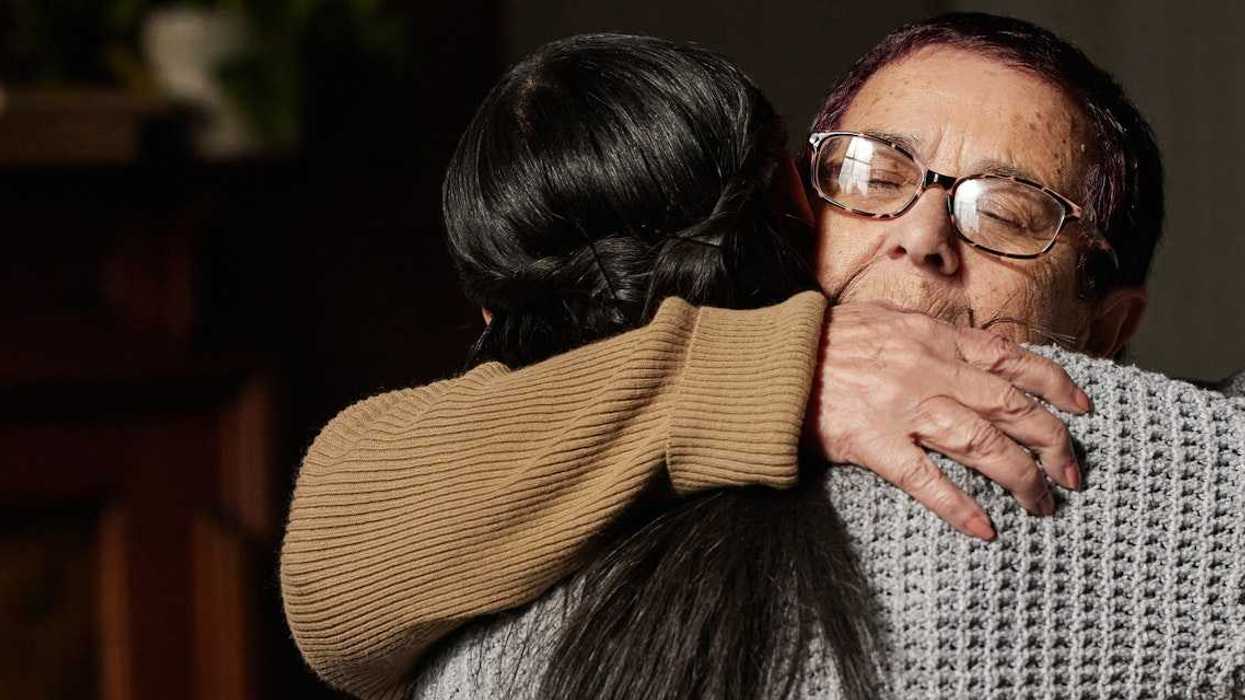
 Revenge can feel easier than forgiveness, which often brings sadness or anxiety.
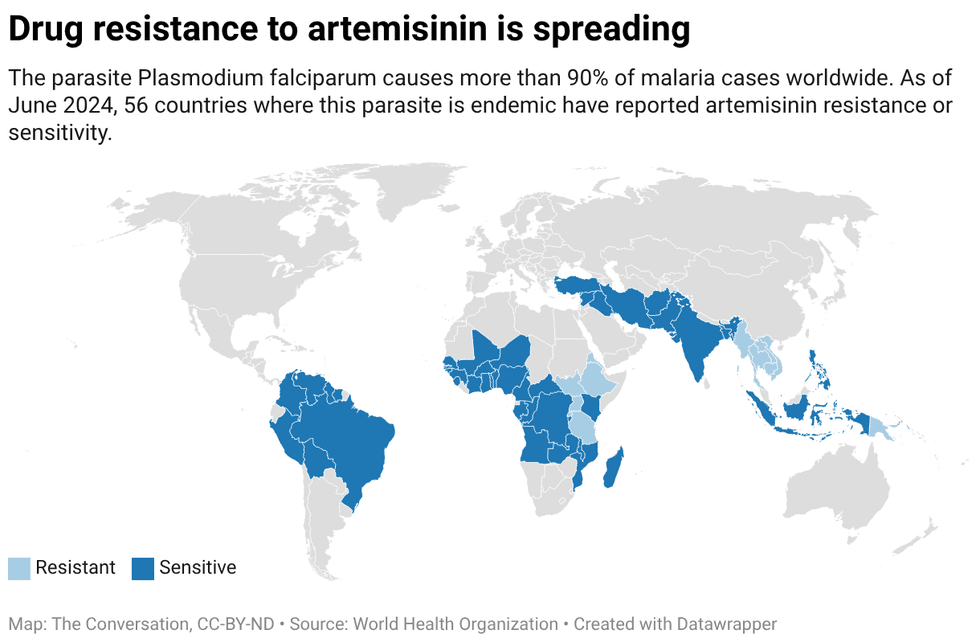
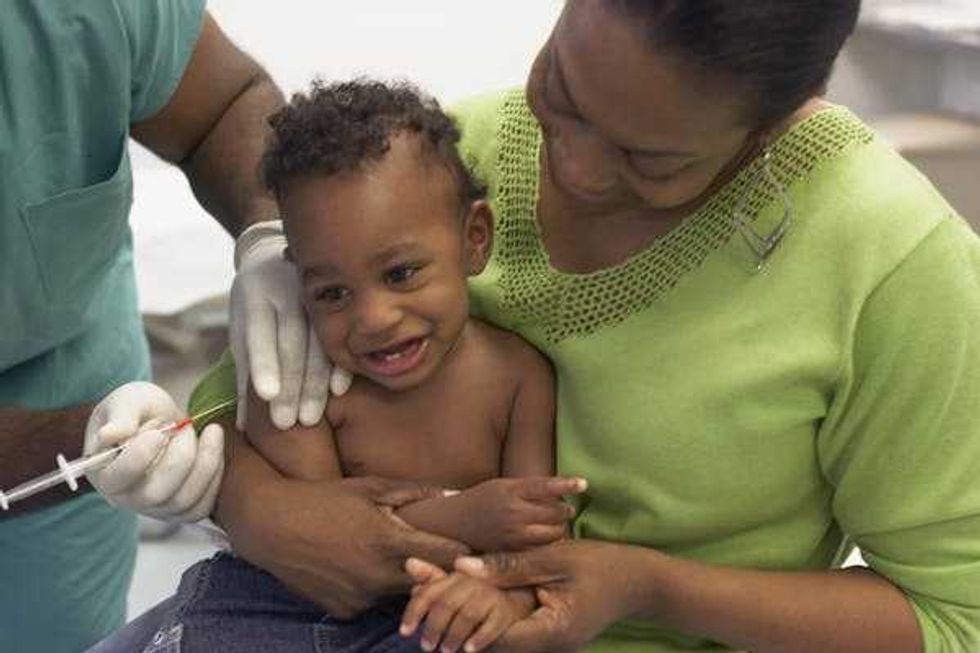 In the past two years, two malaria vaccines have become available for babies starting at 5 months of age.
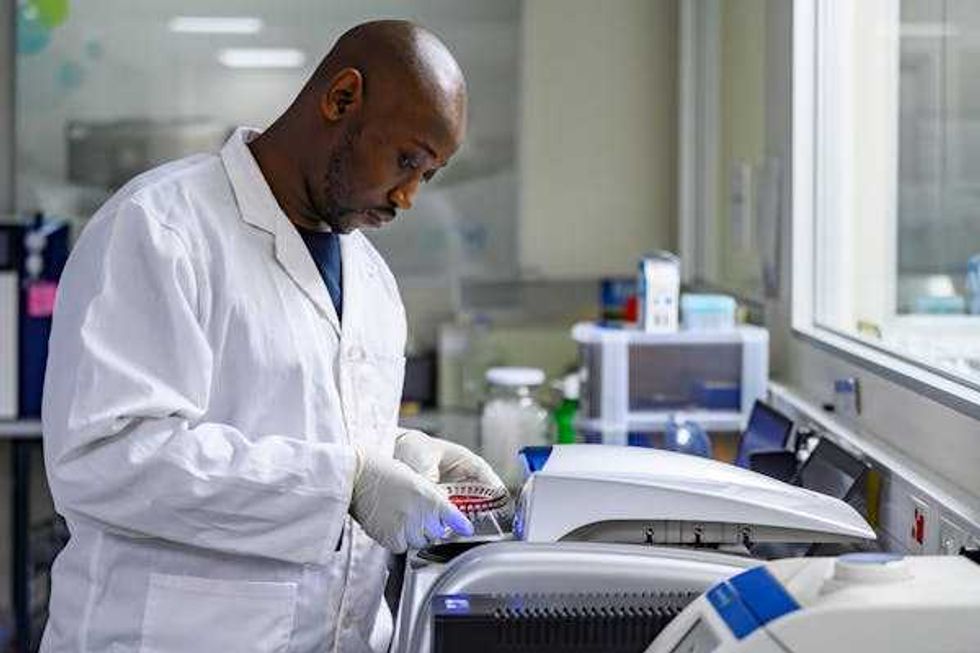 By exploiting vulnerabilities in the malaria parasite’s defense system, researchers hope to develop a treatment that blocks the parasite from entering cells.
 Created with
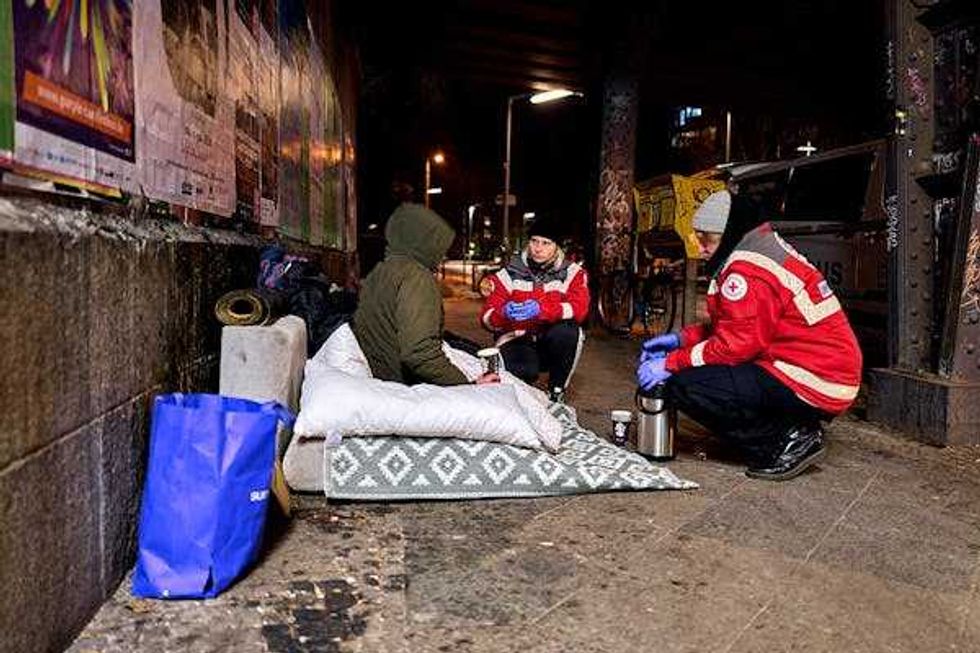 Volunteers who drive homeless people to shelters talk with a person from Ukraine in Berlin on Jan. 7, 2026.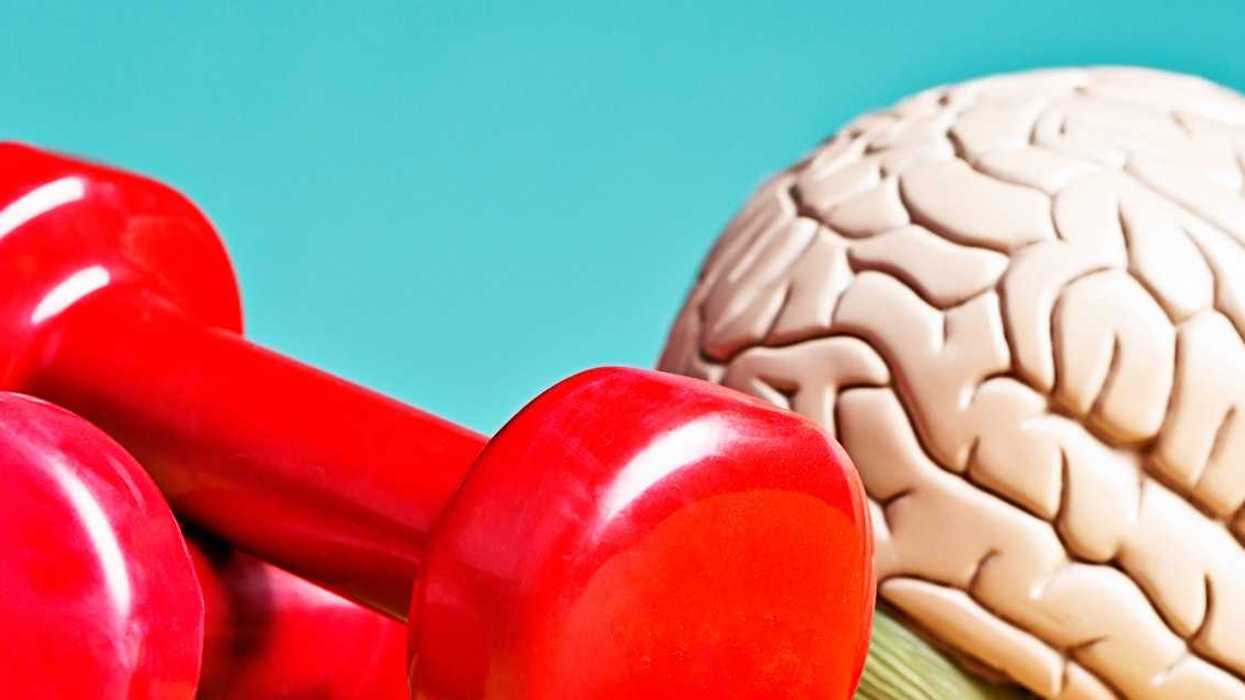
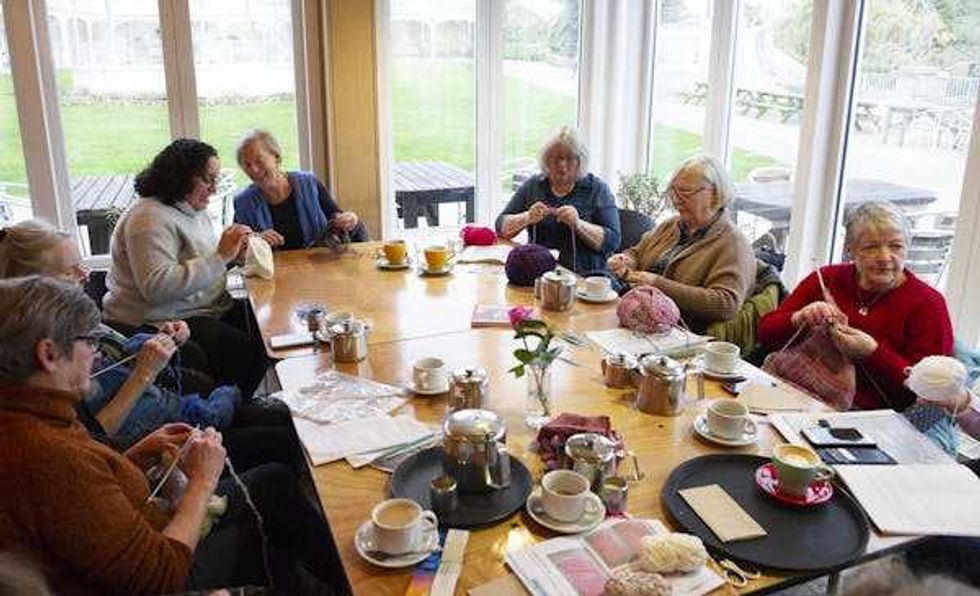 Tasks that stretch your brain just beyond its comfort zone, such as knitting and crocheting, can improve cognitive abilities over your lifespan – and doing them in a group setting brings an additional bonus for overall health.
 Overdoing any task, whether it be weight training or sitting at the computer for too long, can overtax the muscles as well as the brain.