


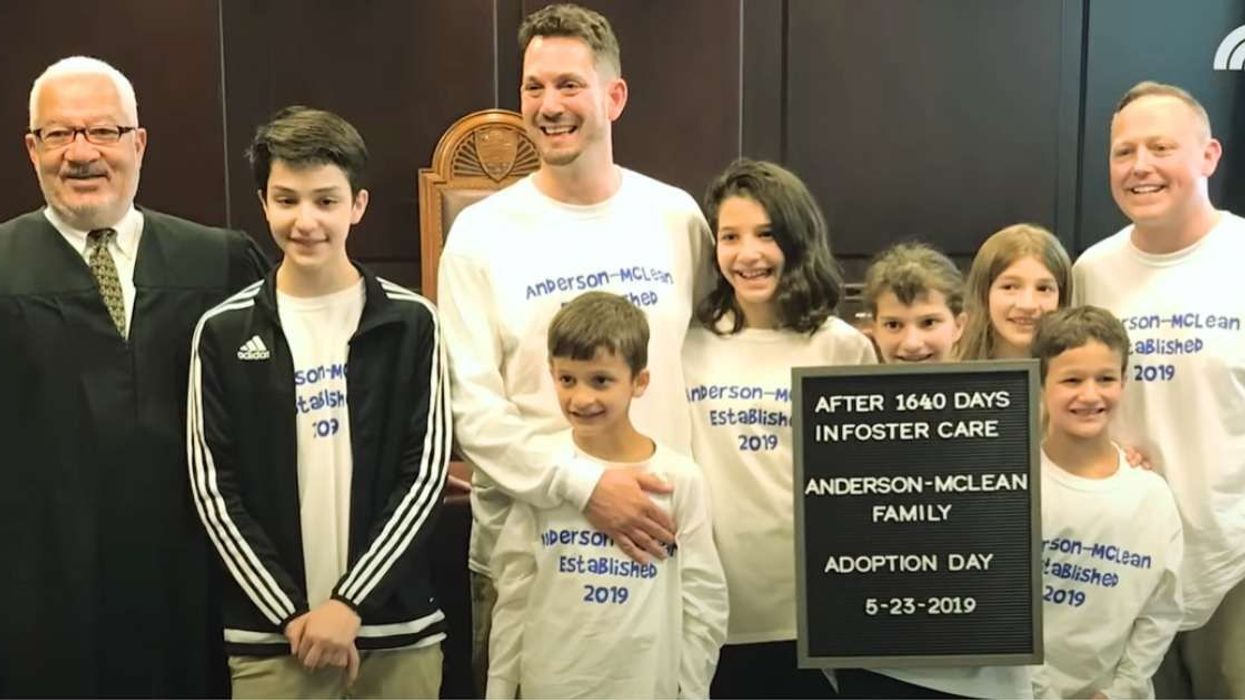

Foster care homes may provide basic necessities for survival, but often fall short of fostering a healthy upbringing. This system frequently separates siblings, compounding their trauma. In May 2019, six siblings who had endured over 1,500 days of distress stood teary-eyed in a Pittsburgh courtroom. A gay couple from Pennsylvania, Steve and Rob Anderson-McLean, had adopted them all, reported Good Morning America. On the day of the courtroom decision, the entire family was dressed in cream-white T-shirts printed with the label "Anderson-McLean family." In their hands, they held a plaque that read, "After 1640 days in foster care, Anderson-McLean family adoption day, 5-23-2019."
"We never imagined we'd be lucky enough or blessed enough to have six," said the couple, overjoyed. Steve and Rob, who have been together for two decades, fell in love with the six siblings - Carlos, 14, Guadalupe, 13, Maria, 12, Selena, 10, Nasa, 9, and Max, 7, in 2018 - when they first learned about them.
“We saw their picture and fell in love,” Rob told TODAY. He shared the wholesome reason why they decided to adopt all the brothers and sisters, “So many sibling groups are broken up because people just want to adopt the younger children. Steve and I knew these guys needed to be together.” In July 2018, the siblings came to live with the dads, along with two other kids, Parker and Noah. Parker and Noah were the couple’s kids from a previous marriage. After spending some time with the caretaking dads, the children asked them innocently if they could stay with them forever. “We took them to the park and to the zoo. We played in the yard. That was all new to them. Having fun was new to them," recalled Steve.
Although the couple was worried about how the teens would adjust to the same-sex parents, their doubts were soon erased when they realized that the kids were very happy in their company. They would go to adventure parks, have night-outs, and make fun-filled trips together. “The kids felt this huge sense of relief,” Steve said, “They had been let down by adults so many times in their life, and were nervous it wasn’t going to happen.”
Once the adoption was finalized, the kids couldn’t contain their excitement, the dads recalled. Their boy Max screamed a cry of joy, “I am adopted. You can’t be unadopted right?” They had to reassure him that he would always be their son. Another of the siblings, Carlos, who graduated from college in June 2024, said to Steve at that time, “I’m not a foster kid anymore. I don’t have to carry that title around. I finally have a real family.”
"I'd say our kids have brought a great kind of crazy to our lives. It's heartwarming and so exciting to see how they connect with us and our extended family and friends," said Rob. The couple regularly posts updates of their children’s lives on their Facebook page, which shows how liberated the kids felt when they were withdrawn from their foster homes and brought into unison in one big family.




 Revenge can feel easier than forgiveness, which often brings sadness or anxiety.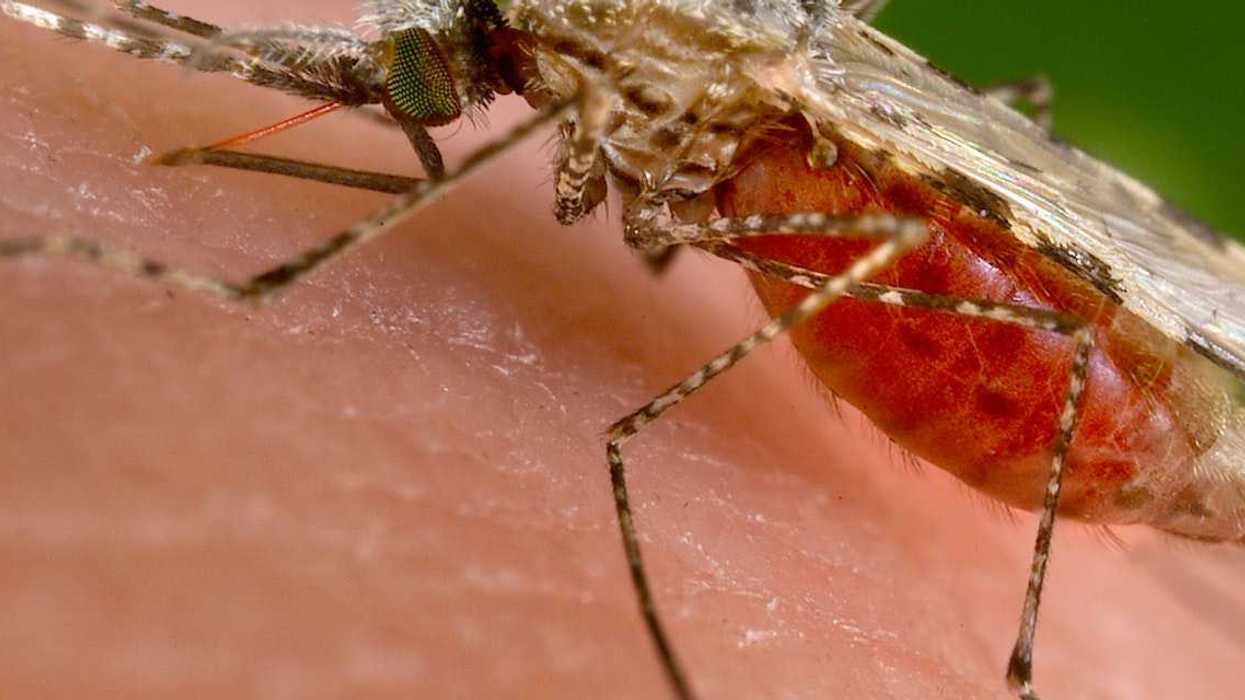
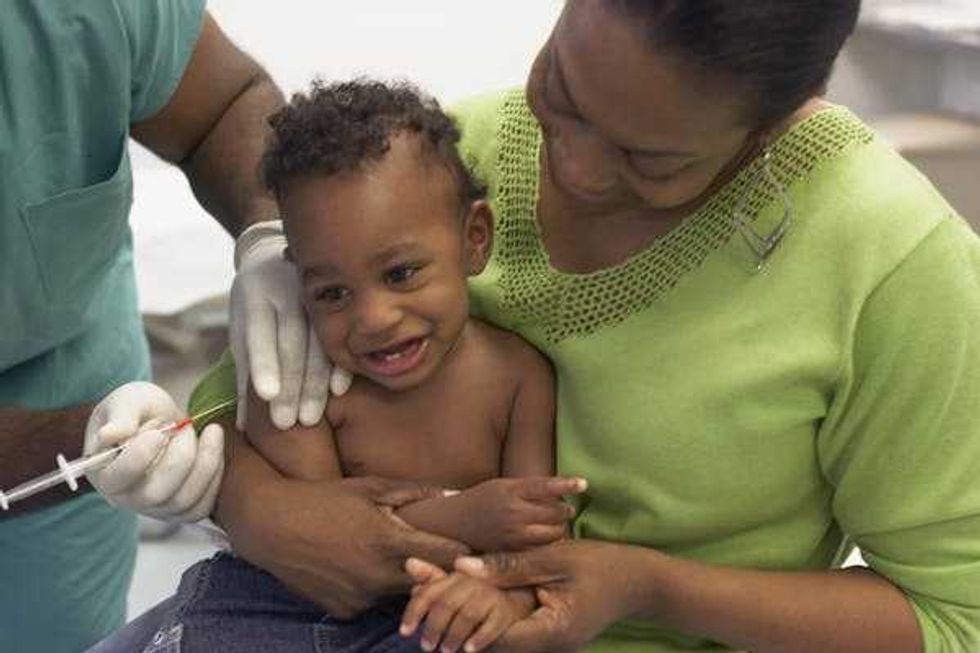 In the past two years, two malaria vaccines have become available for babies starting at 5 months of age.
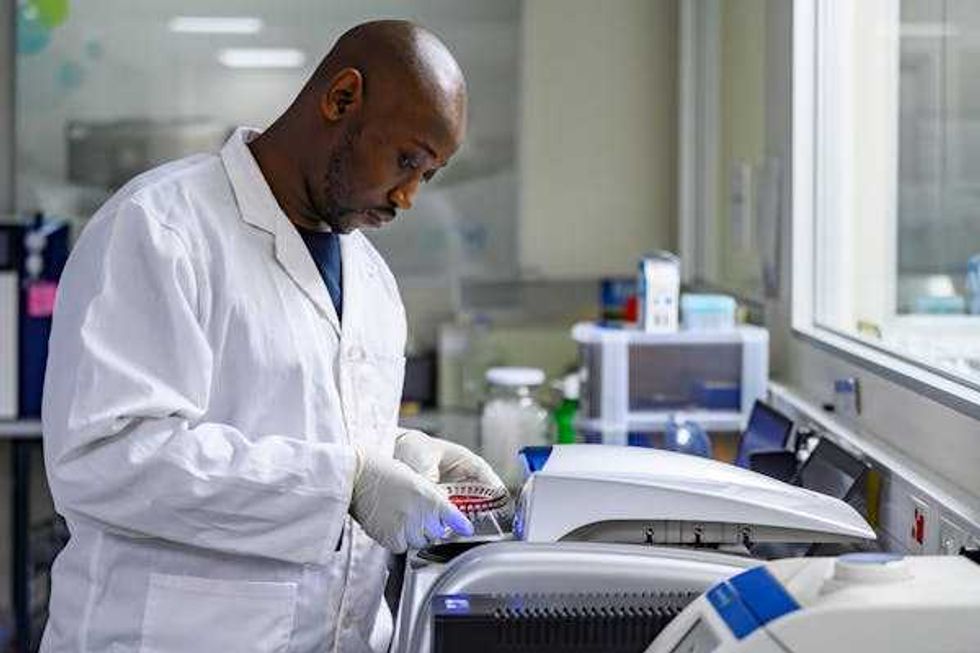 By exploiting vulnerabilities in the malaria parasite’s defense system, researchers hope to develop a treatment that blocks the parasite from entering cells.
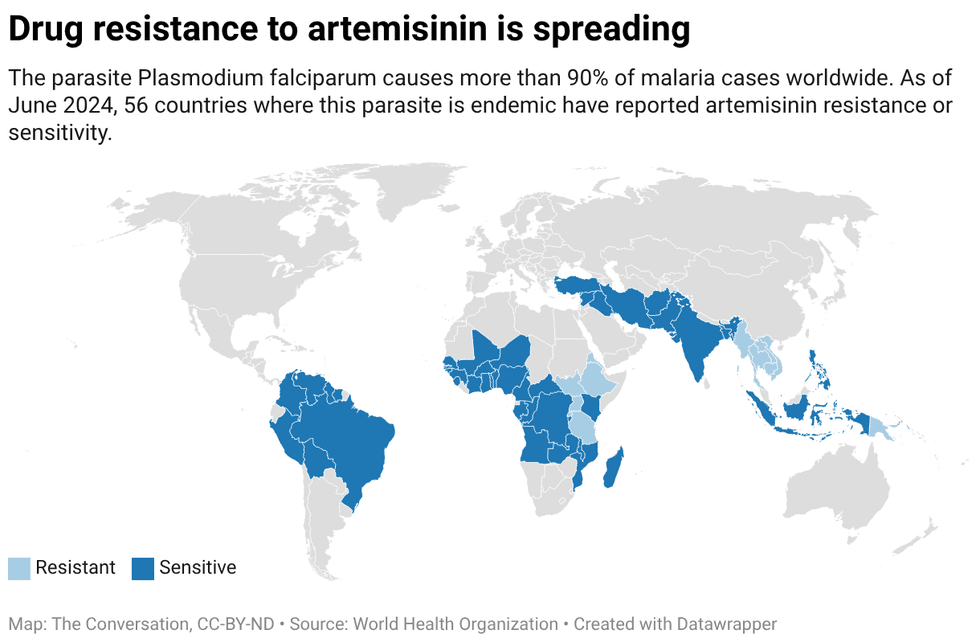 Created with
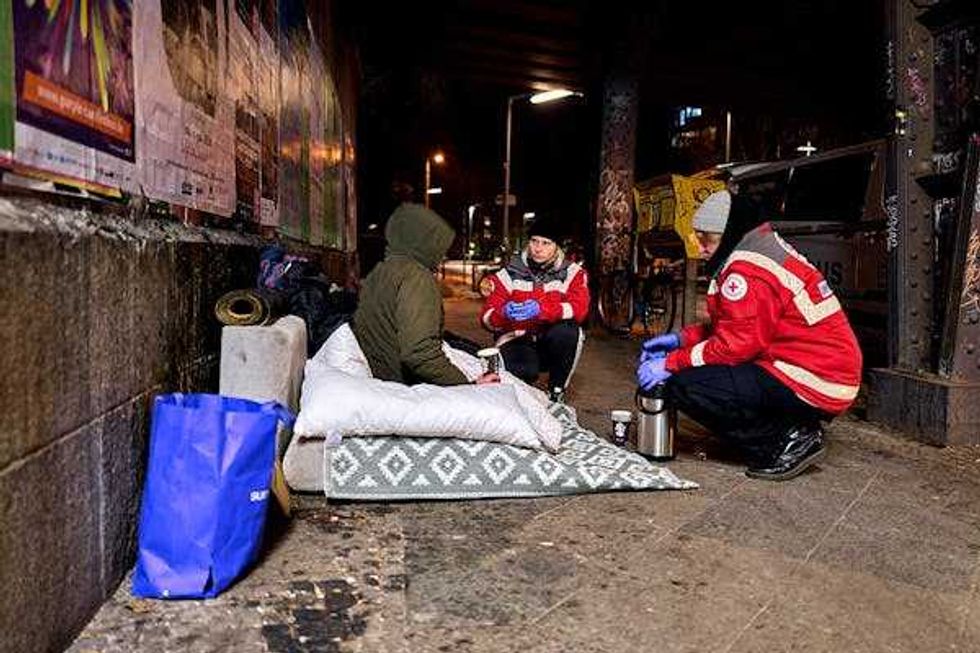 Volunteers who drive homeless people to shelters talk with a person from Ukraine in Berlin on Jan. 7, 2026.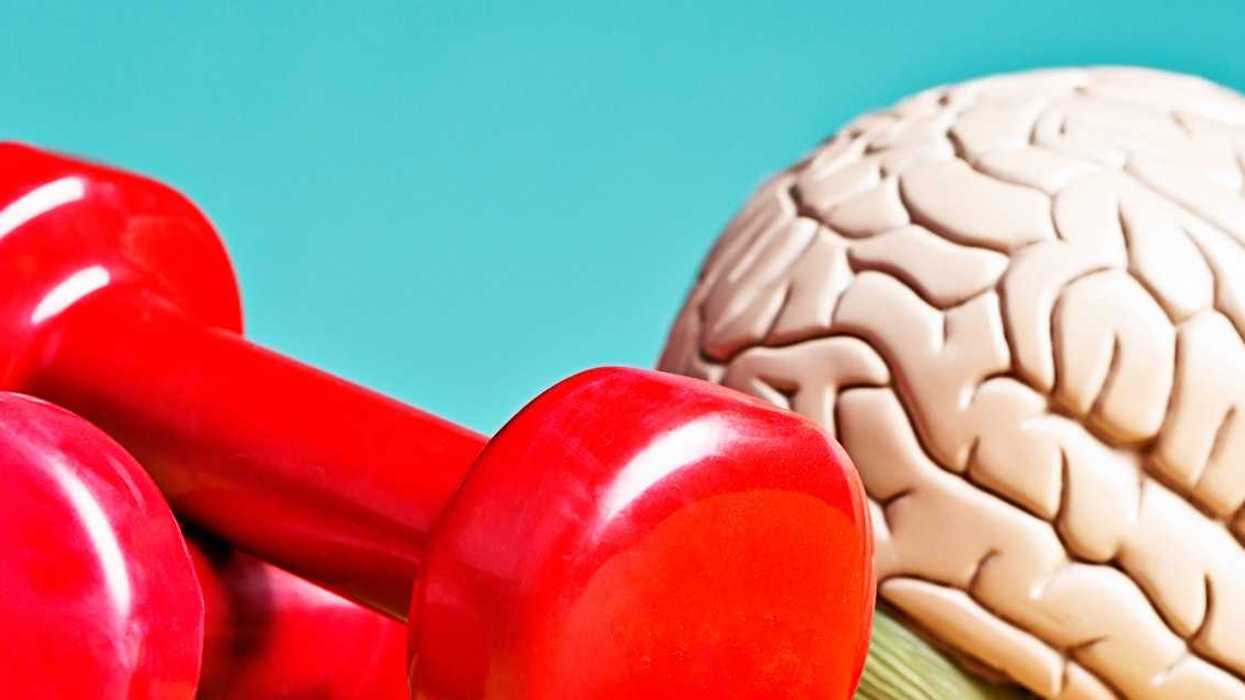
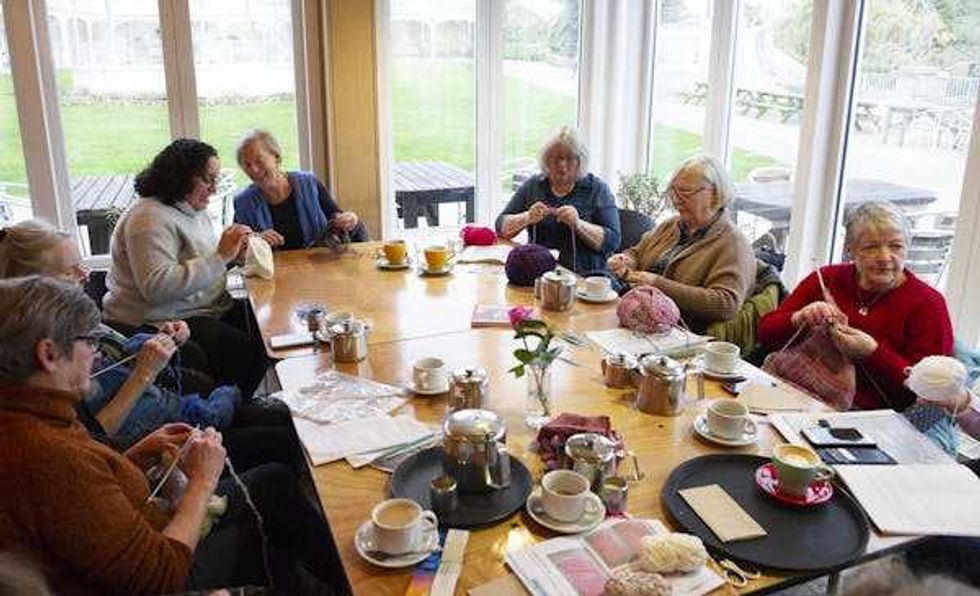 Tasks that stretch your brain just beyond its comfort zone, such as knitting and crocheting, can improve cognitive abilities over your lifespan – and doing them in a group setting brings an additional bonus for overall health.
 Overdoing any task, whether it be weight training or sitting at the computer for too long, can overtax the muscles as well as the brain.
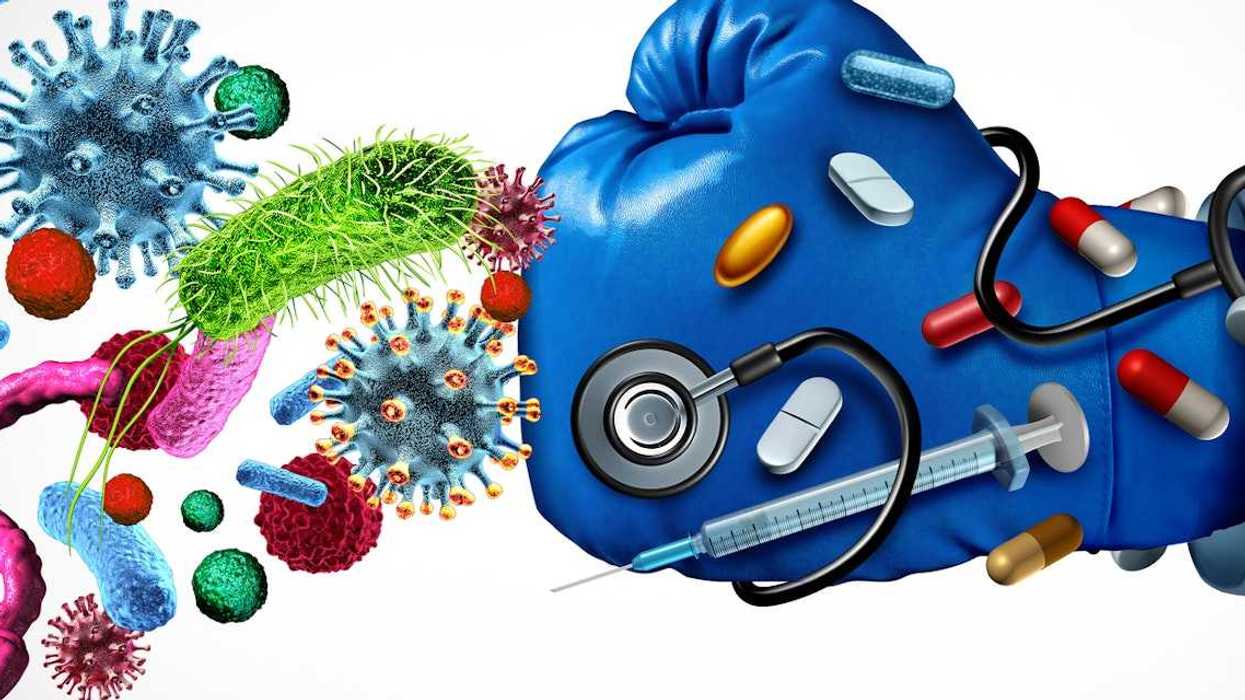
 Amoxicillin is a commonly prescribed broad-spectrum antibiotic.
 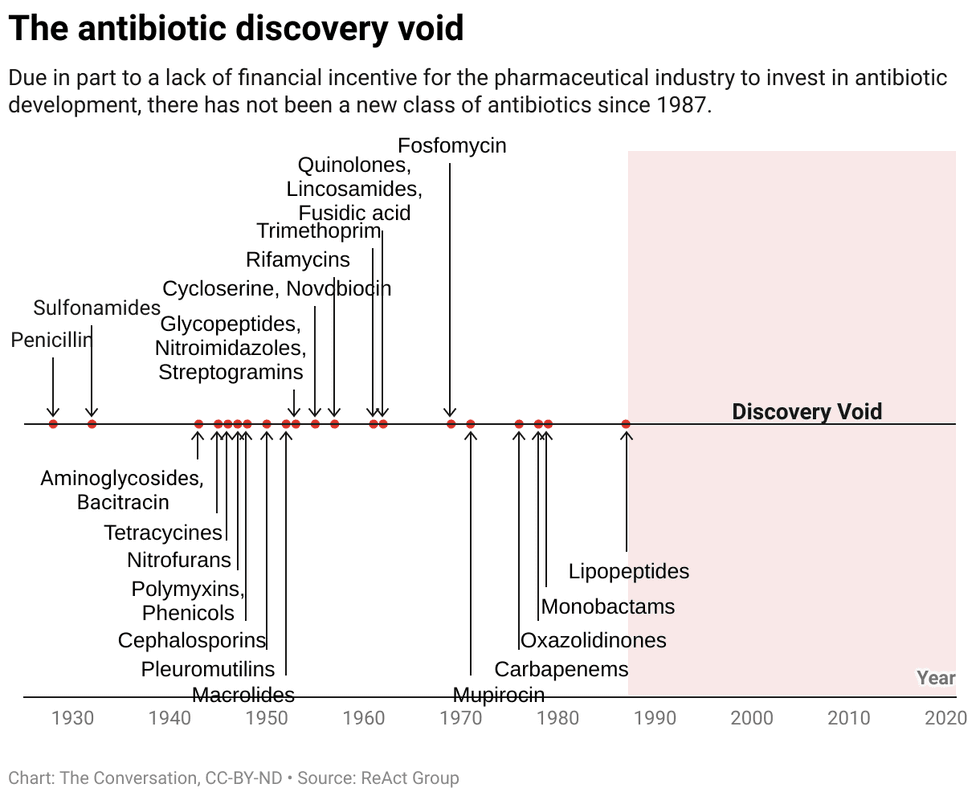 Chart: The Conversation, CC-BY-ND
 Counterintuitively, social media can make you feel more bored and lonely.
 Talking about what you’ve read can add a social dimension to what can be a solitary activity.