A wedding ceremony is one of the most special things in a couple’s life. Most people wait for it, plan for it and even over plan for it. Most people consider the moment they say “I do” and the kiss a part of their core memory. But what would happen if there’s a minor mishap and the priest forgets to announce the kiss? This is exactly what happened at this Australian couple’s wedding, as seen in the video posted by @ladbibleireland on TikTok. The Irish priest officiating their wedding, who also happens to be the groom’s family priest, forgot to announce the moment the couple had been waiting for. The couple didn’t back off and adorably reminded the priest to announce their kiss. Their way of asking for the announcement and the priest’s reaction has left the internet in splits. Nonetheless, it’s bound to make you laugh.
Image Source: TikTok | @ladbibleireland
As the video begins, the couple is standing hand in hand for the ceremony. As soon as they say “I do”, the priest moves on and comes forth, forgetting to announce the kiss. The bride adorably asks if they can have their kiss and repeats “first kiss” again and again before the priest finally gets what she’s talking about. The hall screams “kiss kiss” and erupts in a fit of laughter. The priest waits for a moment before he registers it and hilariously replies, “You can’t expect an old bachelor to remember something like that.” He continues with “do what you have to do” and the couple finally has their kiss. The laughter in the hall instantly turns into applause.
Image Source: TikTok | @ladbibleireland
It would truly be a memorable moment for the couple throughout their lives. The video has gone viral and the internet can’t stop talking about the almost-missed kiss. People also couldn’t stop talking about the priest’s humorous response as he gave the couple the permission to kiss. After all, nobody could have thought that they would get a “Do what you have to do,” instead of “Now you may kiss the bride.” It’s a unique moment regardless.
Image Source: TikTok | @jimyluv
Image Source: TikTok | @ise.14sb
People on TikTok only had hilarious things about the forgotten kiss. One individual, @clivebbbott, wrote, “Brilliant, more priests like him are needed.” Another user, @__tinarenee__, wrote, “Our pastor did the same thing!” Well, maybe the moment isn’t so unique after all, but truly funny. Several people commented how nobody can beat Irish humor and the quick-witted response of the priest. A few others also pointed out that announcing the first kiss is actually a movie thing to do or Irish people usually don’t follow the custom, explaining the reason the priest might have forgotten to announce the first kiss. Others also commented that they highly doubt that this was their first kiss. It was still a very cute moment to witness as the couple shyly asked for the kiss to be announced. With the number of people who watched and interacted with it and reposted it, the internet found it noteworthy too.
Professor of Psychology, Mississippi State University
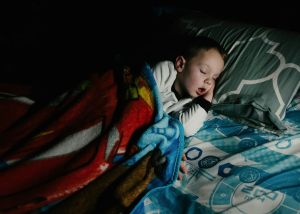
Everyone sleeps, but not everyone understands much about sleep. One of my favorite parts of being a sleep psychologist is that when people hear what my job is, they always have tons of questions, like why do we need to sleep? Why do we dream? Do dogs dream? I get that one a lot, and the answer is yes!
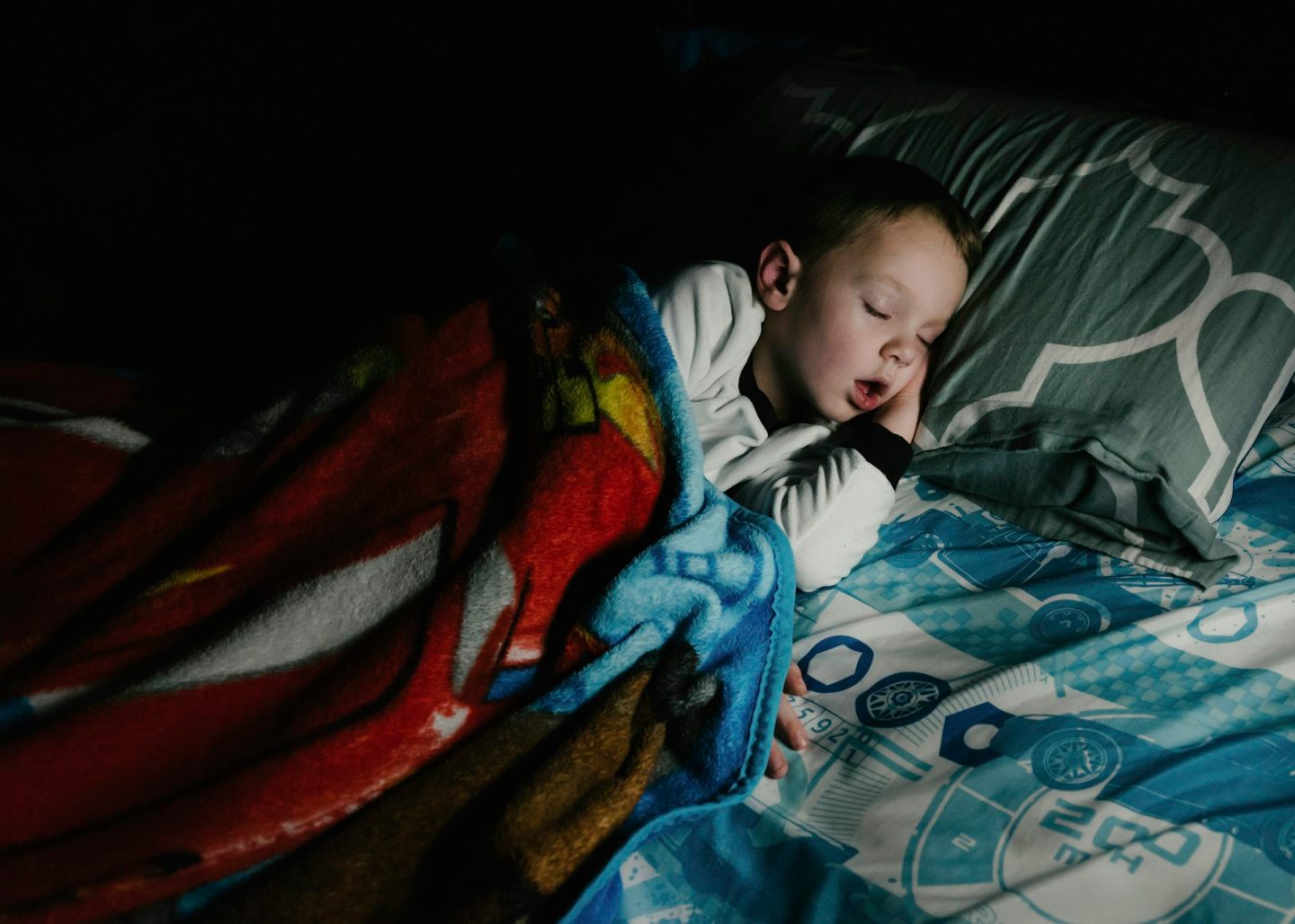
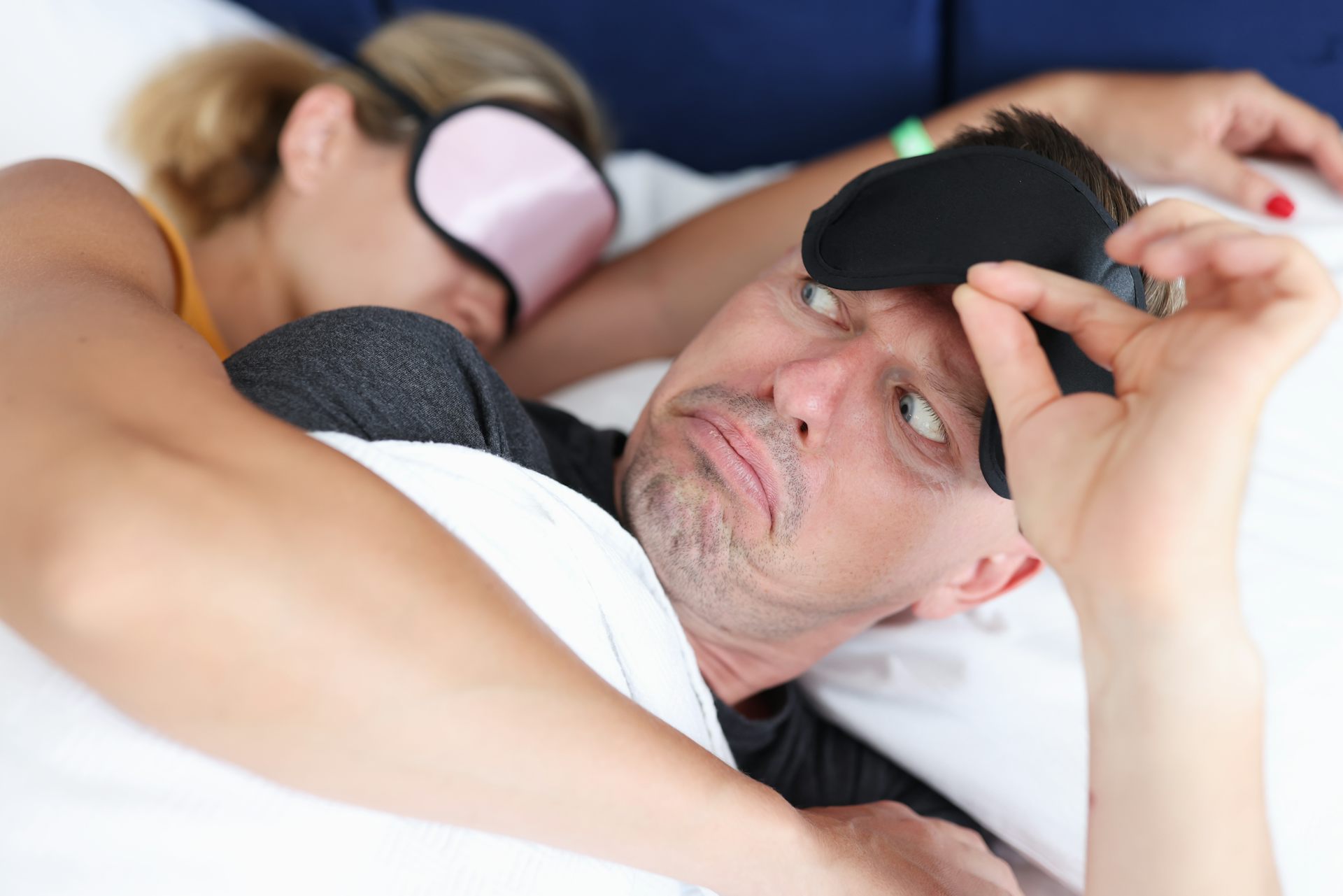
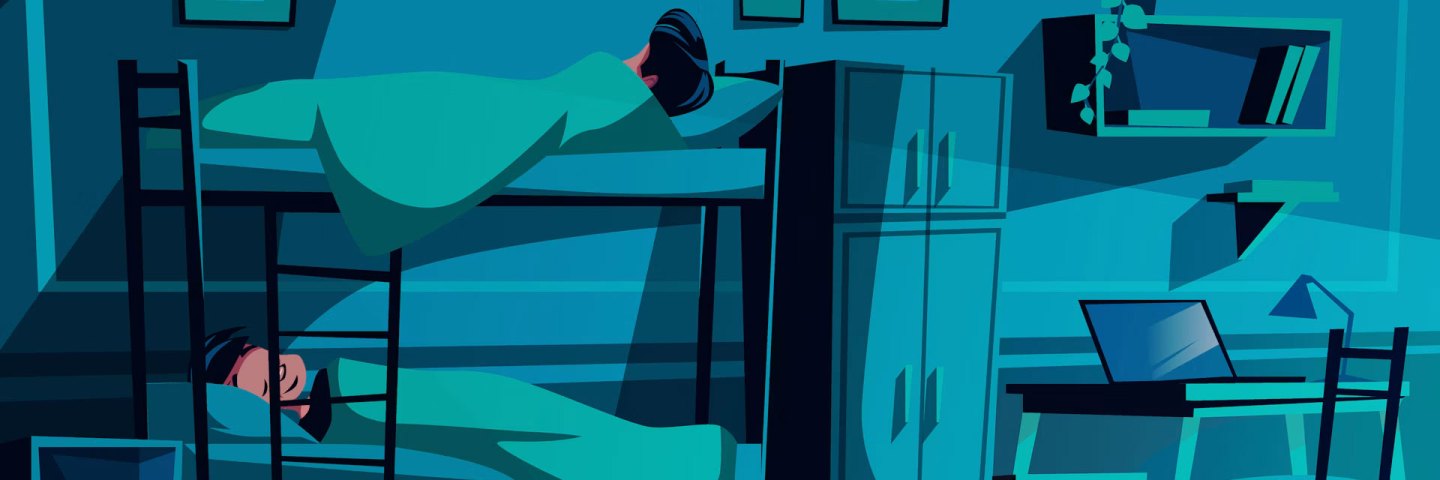
Sometimes people want to chat about their sibling they share a room with who mumbles nonsense out loud all night long. Or maybe they’ve been teased themselves after delivering a complete but one-sided conversation while fully asleep at a slumber party.
I’ve studied sleep for almost two decades, and I’m still not tired of discussing different aspects of it, especially what are called parasomnias: things your body does or your mind goes through while you’re asleep, such as nightmares, sleepwalking or talking in your sleep. Most are common and completely harmless; they only count as a disorder when they happen so often that they cause real problems.
About a quarter of your sleep is what’s called REM sleep, short for rapid eye movement. This is the stage when most dreams, especially the vivid ones, happen.
Non-REM sleep, which includes the deeper stages of sleep, usually takes up between 75% and 80% of your night. It is an important stage of sleep where your body really throttles down, allowing it to rest and repair itself.
Doctors refer to these stages all together as your sleep architecture. People go through cycles of these stages roughly every 90 minutes each night. Non-REM sleep makes up more of your sleep right after bedtime, and then REM becomes a higher proportion of sleep in the early morning hours.
Sleep is an important time for your brain and body to recharge and take care of themselves. Doctors recommend that teens get 8-10 hours of sleep per night, and even more for younger kids: 10-13 hours for little kids ages 3-5, and 9-12 hours for bigger kids ages 6-12.
Talking out loud while you’re asleep
Even though someone who is asleep may look pretty much shut down for the night, their brain is not turned off. Different parts of the brain are active doing different things during different parts of the night.
Scientists think that sleeptalking happens when the parts of the brain responsible for language and speech are active while other parts of the brain that would typically prevent your mouth from physically talking are asleep.
For the most part, sleeptalking is not even words. Usually it’s mumbles, laughs or whispers. If a sleeptalker does use language, it is most commonly the word “no” – that’s about 5% of all words that are said while asleep. If the sleeptalker is saying words, they’re often questions and sometimes profanity. Rarely are the things sleeptalkers say polite, and often it sounds like they’re having a conflict with someone.
Sometimes it can sound like the sleeptalker is having a real conversation, pausing to allow the other person to speak – even if there’s no one else in the room. Researchers suspect you might be overhearing one side of a verbal exchange from a sleeptalker’s dream. What a sleeptalker is saying out loud during REM sleep matches what they’re dreaming about at that moment about 80% of the time, according to studies in sleep labs.
You may be able to actually interact with someone who is sleeptalking; researchers have found that roughly half the time a sleeptalker will respond to a spoken question or statement. But don’t get excited that you can get someone to spill their secrets or reveal something they don’t want to. There’s no scientific evidence of this happening.
There is not a ton of research on sleeptalking yet, but it appears that this phenomenon can happen in any stage of sleep. Studies do suggest there are differences between the sleep of people who sleeptalk and those who don’t. For instance, one study found that sleeptalkers get more than an hour and a half less sleep per night and roughly half as much REM sleep as nonsleeptalkers.
Why do people talk in their sleep?
The best explanation we have for sleeptalking is that the brain does not fall asleep all at once, and for some people the areas responsible for sleep remain active longer than the parts that help keep them quiet.
This phenomenon is fairly common, with over two-thirds of people sleeptalking at one time or another. It isn’t something to be concerned about if it has happened to you, though it does increase your likelihood of experiencing other parasomnias such as sleepwalking.
Sleeptalking is far more common in childhood. Researchers don’t fully understand why, but we do know that children have more of what’s called slow-wave non-REM sleep. The proportion of slow-wave sleep you have each night declines as you grow older, so it is possible that less sleeptalking comes with this change in sleep architecture.
Looking at the big picture, sleeptalking is considered normal. But if you’re bothered by it – or by other parasomnias, such as sleepwalking, night terrors or bed-wetting – remember, they all become less common as you grow up. And there are treatments you can get from a sleep psychologist like me.
One last tip: Scientists do know that sleeptalking, as well as several other parasomnias, is more common when you’re overtired. So, the next time you talk in your sleep, you’ll know that it’s nothing to worry about, but perhaps a sign that you need to catch up on some extra zzz’s when you can.
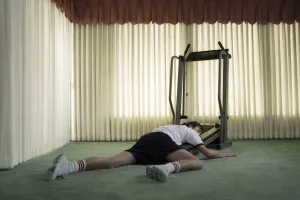
Paying college students about US$5 a night to sleep seven hours got them a quarter more nights of adequate sleep – and better grades.
That is what we found in a study we published in July 2026.
We gave more than 1,100 undergraduates at University of Pittsburgh a Fitbit – a wearable activity tracker that looks similar to a watch – and an app that sent bedtime reminders and morning feedback. We randomly chose 468 students and paid them about $5 for every night they slept at least seven hours, over the course of four weeks. We verified how much they slept using the device they wore.
The students were about 19 years old, on average, and half of them were first-year students. Roughly 72% of them were women. About 55% were white, 28% Asian, 9% Black and 4% Hispanic.
Our study shows that offering an immediate financial reward can help students meet a seven-hour sleep goal, and that those effects can persist up to a month beyond when the students are paid.
Half were going to bed after 1 a.m. on average – a quarter after 2 a.m.
Students got the recommended seven hours of sleep on a typical weeknight on only 43% of their nights, and more than 85% fell short at least once a week.
They also did not know how much sleep they were getting. Two-thirds told us they usually slept seven hours – the trackers showed only about one-third of students slept that much on even three nights out of five.
And 94% said their ideal night of sleep was longer than the one they were getting.
What the money bought
The 468 students we offered nightly payments reached seven hours of sleep on 26% more nights than 380 students who were not offered the money. That is a large shift for a group in which fewer than half were hitting the mark to begin with.
Students receiving the monetary incentive slept 19 more minutes per school night, roughly the difference between closing the laptop at 11:40 p.m. or at midnight.
Among students receiving the payment incentive, their GPA rose by about 0.08 points that semester – roughly a quarter of the gap between students who arrived with above-average and below-average high school grades.
Once the payments stopped after four weeks, students who had received the money were still sleeping about eight minutes longer per night for the remaining three to four weeks of the study. The effect was smaller than during our study, but our findings suggest that some of the change in sleep habits persisted for up to a month after the end of the incentive.
The effects of the intervention on sleep and GPA were largest among first-term freshmen, whose routines are not yet necessarily fixed.
Rewards work – if they come right away
Timing mattered too: Delivering the payment as a lump sum at the end of the semester, rather than every morning, produced only about two-thirds of the effect on sleep.
The effects of the intervention on GPA faded over a couple of academic terms. Grades remained higher in the following semester, but two semesters later we could no longer detect an effect.
Bedtime reminders and morning feedback on their own – with no money attached – had little effect. Students who received them slept only marginally more. The problem was not motivation: Nearly all said they wanted more sleep than they were getting. The challenge was following through on that intention night after night.
Investing in sleep
Our results show that universities should look at how the environment they create fosters or discourages good sleep habits.
Late evening deadlines to submit assignments and early classes can both make it harder for students to get enough sleep. Changing some of these features costs little compared with many academic support programs, and it may be worth testing alongside other interventions aimed directly at students.
Reminders and feedback might also work better if they change over time, rather than becoming familiar and easy to tune out.
Very few universities or students treat sleep as part of an investment in education, or ask whether the schedules and incentives schools create make adequate sleep harder. Our results suggest they should.
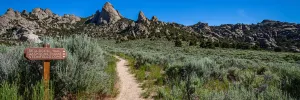
If you grew up in the United States in the 1980s or ’90s, chances are you remember The Oregon Trail. For many like me, it was our first computer game and our first introduction to wilderness survival. We hunted buffalo, forded rivers, broke wagon wheels and, of course, learned about dysentery years before Google even existed, all while hoping our group would make it to Oregon City alive.
Lately, the game has found a second life. Nostalgic social media posts, memes and updated versions of the game have introduced The Oregon Trail to a new generation while reminding millennials just how unforgiving that grainy computer screen journey could be.
As a physician who specializes in emergency and wilderness medicine, I started thinking about how much of what the game taught me about surviving in the wilderness still applies today. After all, modern hikers and campers have access to tools the pioneers could never have imagined.
Surprisingly, I’d argue that more lessons from The Oregon Trail hold up than you might think.
Clean water is crucial
The Oregon Trail game made dysentery famous for an entire generation. Fortunately, advances in sanitation, hand hygiene and antibiotics have made large outbreaks like those that wagon trains and military camps experienced much less common, at least in the United States.
That doesn’t mean gastrointestinal illnesses have disappeared. Traveler’s diarrhea and cholera are still an important cause of illness around the world. Untreated water, poor hand hygiene and contaminated food can still derail any trip.
Simple habits such as purifying drinking water, washing hands before meals and after using the bathroom, and practicinggood camp hygiene remain some of the easiest ways to stay healthy outdoors.
Water purification is important with wilderness travel in the United States and in many areas of the world. There are many easy and cost-effective ways to purify water, such as boiling, filtration and treating with chemical disinfectants. Each method has its benefits and downsides.
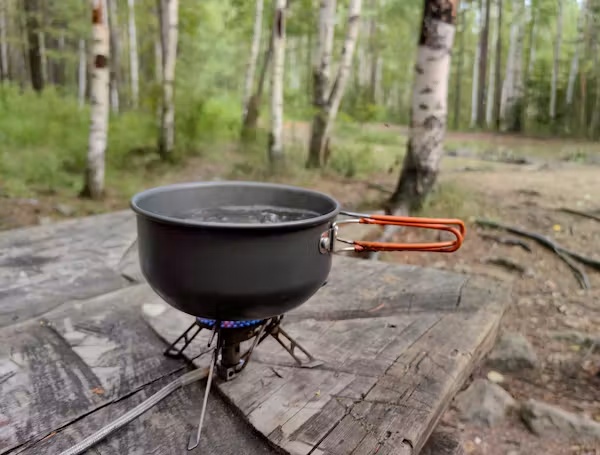
Boiling is often the most accessible method. While it can kill bacteria, viruses and parasites, it will not remove water contaminants such as heavy metals, including lead and arsenic, or industrial contamination such as pesticides. Consider boiling your water for at least one to three minutes, depending on your altitude, to purify it. Water filtration is an easy option for backpackers but is less effective at removing viruses.
You may no longer have to ford the river with oxen, but rivers, lakes and other bodies of water present unique hazards that outdoor adventure enthusiasts can overlook.
Moving water can be more dangerous than people realize. Even the best swimmers can drown in rip currents.
Cross bodies of water only when absolutely necessary. Avoid any water crossings after recent rainfall, as the water level often rises and the current can be faster and stronger. Submerged objects – rocks, fallen trees and other debris – as well as changing weather, flash flooding and strong currents can make crossing more dangerous.
It’s not just a broken wagon axle that can send a trip sideways. One thing The Oregon Trail captured well is how distancechanges everything. A sprained ankle in a city usually means an inconvenient trip home or to the doctor, but a sprained ankle 5 miles from the trailhead may mean that someone will need to carry you. The same is true for other common wilderness concerns, such as dehydration, heat illness, infections or even blisters.
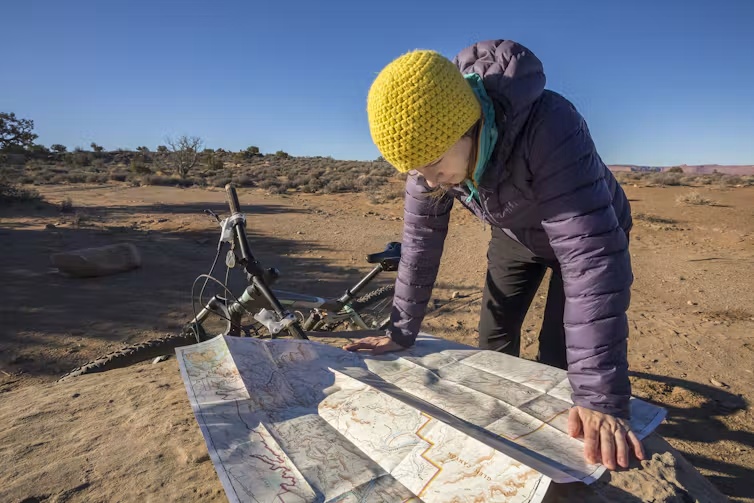
Preparation is about packing a first aid kit and thinking ahead. Ask yourself what you would do if your hike took twice as long as expected or if you unexpectedly had to spend the night outside. Research your route and carry more food and water than you think you’ll need. Check the weather and be prepared for it to change, with extra clothing and options for rain.
No one tackled the Oregon Trail alone because it meant you would not survive. There is a lesson here in solo travel and solo mountaineering.
Traveling alone means that a minor injury such as a sprained ankle could mean crawling to the trailhead to call for help or waiting until you are identified as missing. If you cannot find someone to travel with you, provide an itinerary and travel location to a trusted person. Make sure they know when you should be returning and plan to check in. If you do not return as expected, they can call for help.
Respect the wildlife
Large animals still pose a threat across the country. While there may be fewer bison than previously seen on the Oregon Trail, animals in nature deserve respect.
No selfie is worth being attacked by a brown bear. If you see a dangerous wild animal, avoid approaching and immediately leave the area.
Venomous snakes are present throughout much of the United States and continue to cause significant injury and death around the world. If someone is bitten, please don’t try to cut the wound or suck out the venom. Instead, keep the person calm, minimize unnecessary movement, and focus on getting them to professional medical care. Antivenom is available in many major hospitals in the United States.
Even smaller and more docile animals such as deer and squirrels should not be fed. It is dangerous for an animal to get used to receiving food from humans. Additionally, animals carry diseases, such as rabies and leptospirosis, that can be fatal to people.
Don’t attempt to get close to any animals, no matter how calm or asleep the animal appears to be.
Technology is a backup, not a plan
One of the biggest differences between today’s outdoor adventures and those of the Oregon Trail is the ability to communicate.
Cellphones, GPS apps and emergency beacons have made it possible to call for help from places that were once completely isolated. However, while those devices are incredibly valuable, they shouldn’t encourage you to take bigger risks, as help may be far away, slow to arrive, and injuries in the wilderness can be fatal.
Travelers can use a smartphone with GPS capacity to avoid getting lost, but downloading any needed maps for offline use can help prevent lack of service from derailing your trip.
Additionally, an unlocked smartphone that isn’t restricted to one carrier is a great way to store and communicate critical data, such as travel plans and copies of your medical history.
The Oregon Trail travelers worried about river crossings, disease and harsh weather. Today’s hikers face different challenges depending on where they are.
Desert hikers may struggle with extreme heat and dehydration. Mountain travelers face rapidly changing weather, lightning and high altitude. And coastal explorers can face problems such as riptides, waves, cliffs and unexpected rocky surfaces.
Altitude illness is often unpredictable and can sneak up on you. Most people experience acute mountain sickness within 24 hours of ascent, developing symptoms such as headache, fatigue, nausea or problems with sleep. Any confusion, difficulty walking, shortness of breath or coughing up significant phlegm should prompt an immediate descent.
There are commonly used prescription medications to help prevent and treat altitude illness. The mountain will always be waiting for your next attempt.
Some lessons survive every software update
Part of what made The Oregon Trail game memorable is that every decision mattered. Success often depended less on luck than on planning ahead, and that lesson still applies.
When people ask me what one emergency medicine skill everyone should know before heading outdoors, my answer is usually preparation. Thoughtful planning prevents far more emergencies than any single piece of equipment.
For people who spend a lot of time outdoors, I also recommend taking a wilderness first aid course. These courses teach practical skills to provide medical care in a wilderness environment.
Nature is no less powerful or unforgiving than it was on the Oregon Trail, and treating it with respect is essential. Combining advances in modern medicine with thoughtful preparation helps stack the odds in your favor so that, just as every Oregon Trail player hoped, everyone in the party makes it to the end.