



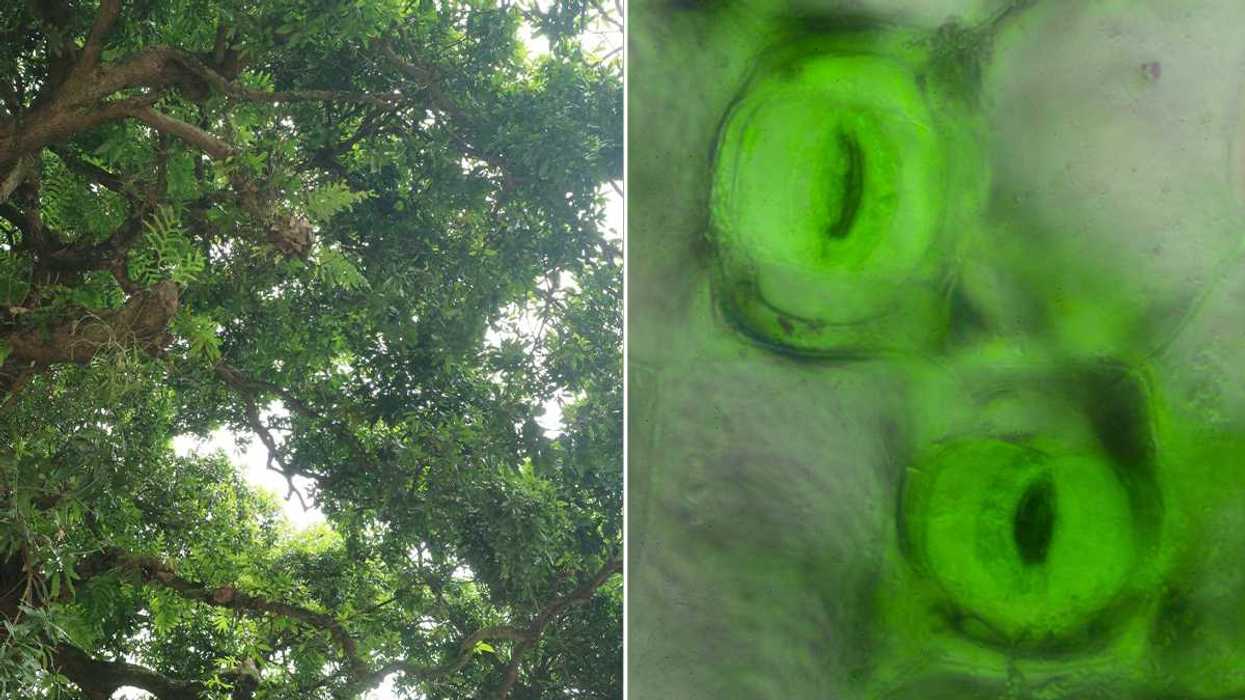

Most people know that plants convert carbon dioxide into oxygen through a process called photosynthesis. Researchers at the University of Illinois Urbana-Champaign have created a tool that allows them to observe photosynthesis in real time. Not only did they record the tiny valves of a leaf opening and closing with a camera, but they also measured the gas exchange with the atmosphere simultaneously.
Scientists have been limited to gas analyzers, microscopes, and even time-lapse photography. This new tool gathers information that may revolutionize how the world's food supply navigates an evolving climate.
"Somata in-sight"
Plants have tiny valves that exchange CO2 for oxygen and water vapor, called "stomata." They balance how much carbon dioxide the leaf takes in during photosynthesis. Likewise, they control the release of water vapor and oxygen back into the air. Traditional observations of stomata involved using microscopes without the ability to control the conditions surrounding the leaf. This is important because stomata behave differently in different environments.
The research team described the challenge in EurekAlert!, saying, "Traditionally, we've had to choose between seeing the stomata or measuring their function."
Capturing microscopic movements of stomatal pores in real time while measuring the rate of gas exchange can help determine the stomatal numbers required for optimal plant efficiency. So, viewing the number of stomata necessary to control exchange has genetic value. This new technique might help revolutionize how we breed crops.
The three-part system is called "Somata in-sight," and it integrates three advanced methods:
- Confocal Microscopy: A non-invasive laser imaging tool that renders living plant cells in 3D.
- Leaf Gas Exchange: Sensors capable of tracking the consumption of CO2 the leaf breathes in and the release of water vapor and oxygen that the leaf breathes out.
- Environment: The ability to control light, temperature, humidity, and carbon dioxide levels.
The customized tool enables researchers to watch and measure how the stomata react to environmental variations in the moment.
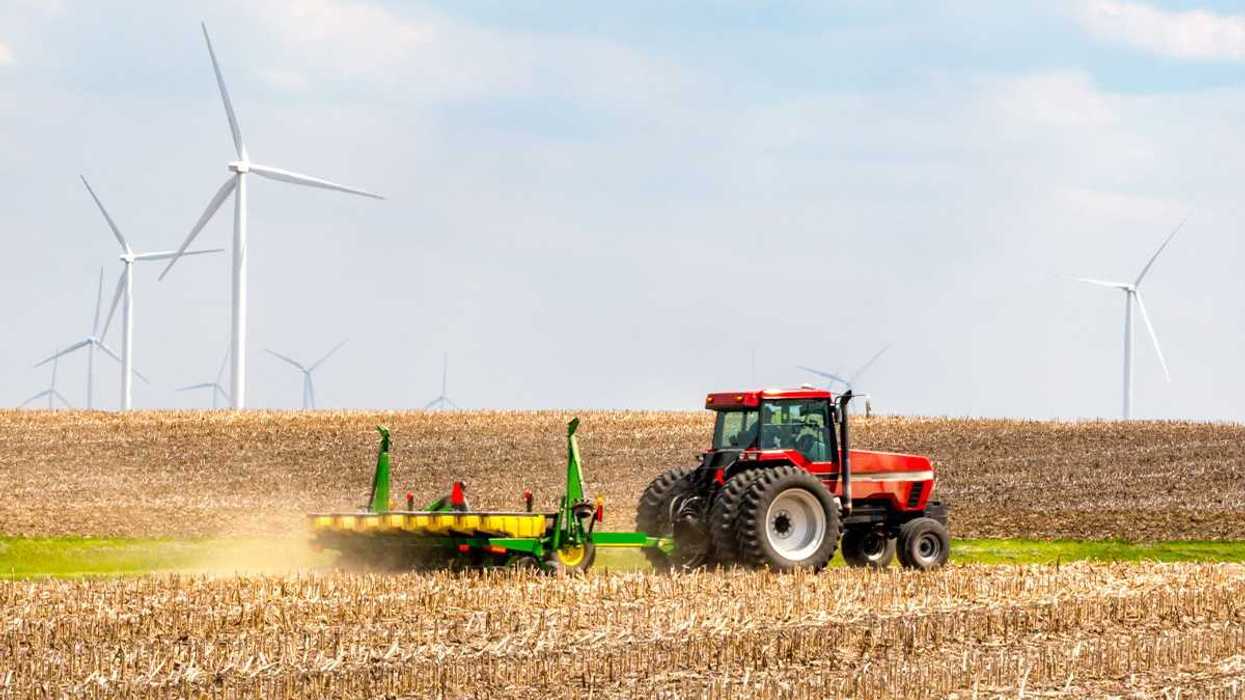 Windmills turn in the background as a tractor farms.Photo credit: Canva
Facing an evolving climate
Because we're facing an evolving climate, this research might help develop crops that survive drought, volatile weather, and require less water. Conversely, understanding plant function leads to better growing strategies.
A 2024 study published by ScienceDaily reviewed the challenges facing modern agriculture. Despite the need for better practices to counter soil degradation, nutrient pollution, pest pressure, and greenhouse gas emissions, a negative feedback loop emerges. The strain placed on the global food supply drives the adoption of practices that intensify environmental harm.
A 2025 article in The Wall Street Journal found that extreme weather is driving global food prices. The resulting consequences are significant economic and health impacts, particularly on low-income populations.
With less water, alternative crops can help steer the food supply. A 2025 study published on ScienceDirect reviewed 70 water-saving crop options. It found that choosing crops inherently adapted to low water use was an effective strategy in particularly dry regions.
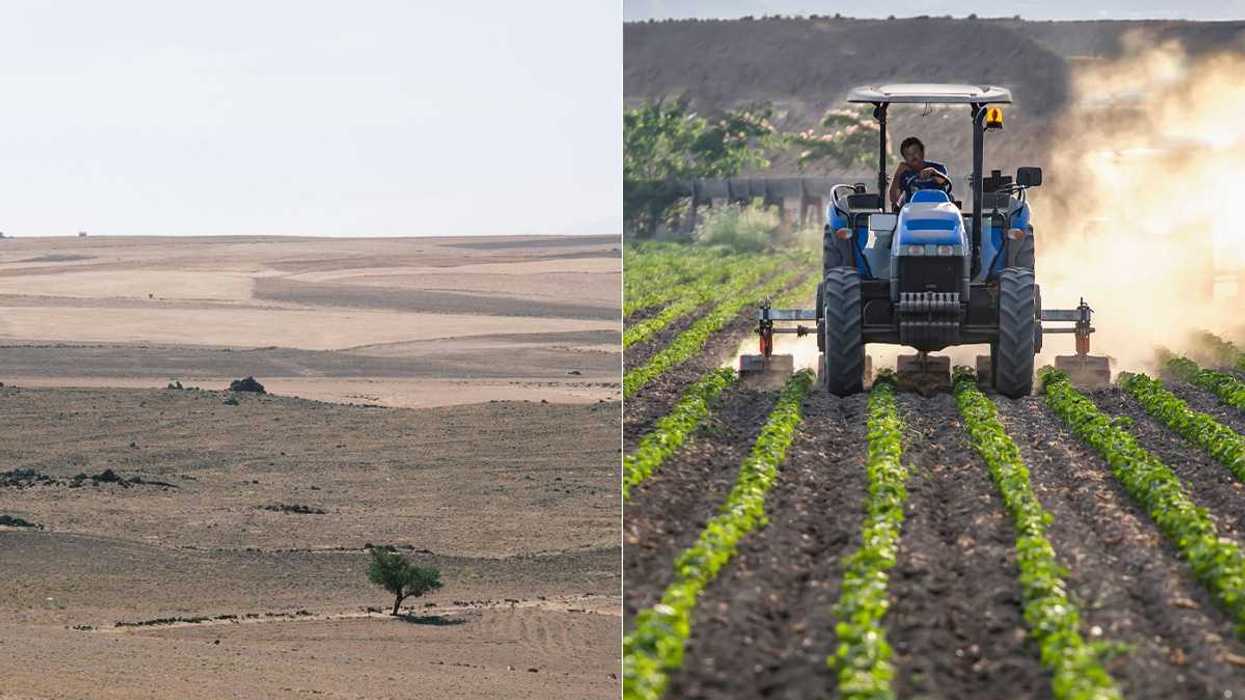 Left: Arid climate. Right: Desert farming.Photo credit: Canva
Drought-resilient crops are needed. Watching how plants "breathe" and balance carbon uptake with water loss may help find solutions to an evolving climate. Using this new tool while simulating drought, heat, and humidity changes, researchers can watch the stomata adapt in real time. Identifying genetic variants could lead to breeding more successful crops and a change in food supply change that causes less environmental damage.








 Left: Plastic littered on a beach. Right: Bamboo.Photo credit:
  Field of bamboo.Photo credit:
  Handing an Earth-painted ball to a child.Photo credit:
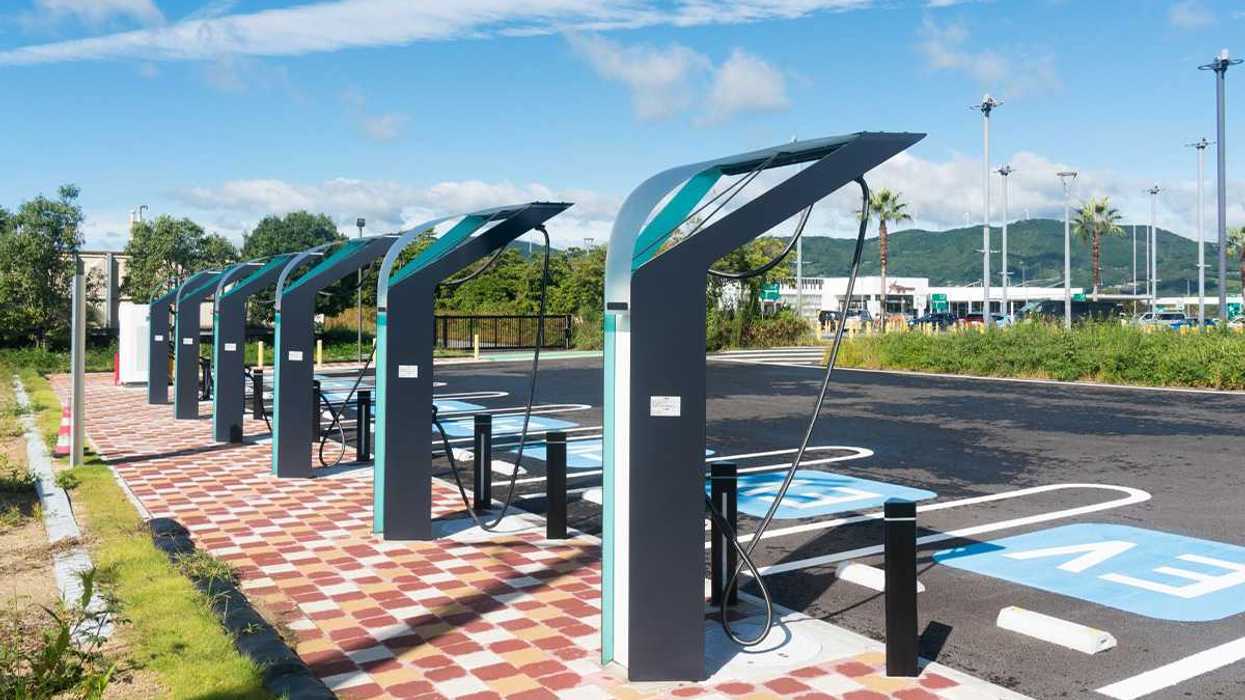 A parking lot for charging electric vehicles.Photo credit
 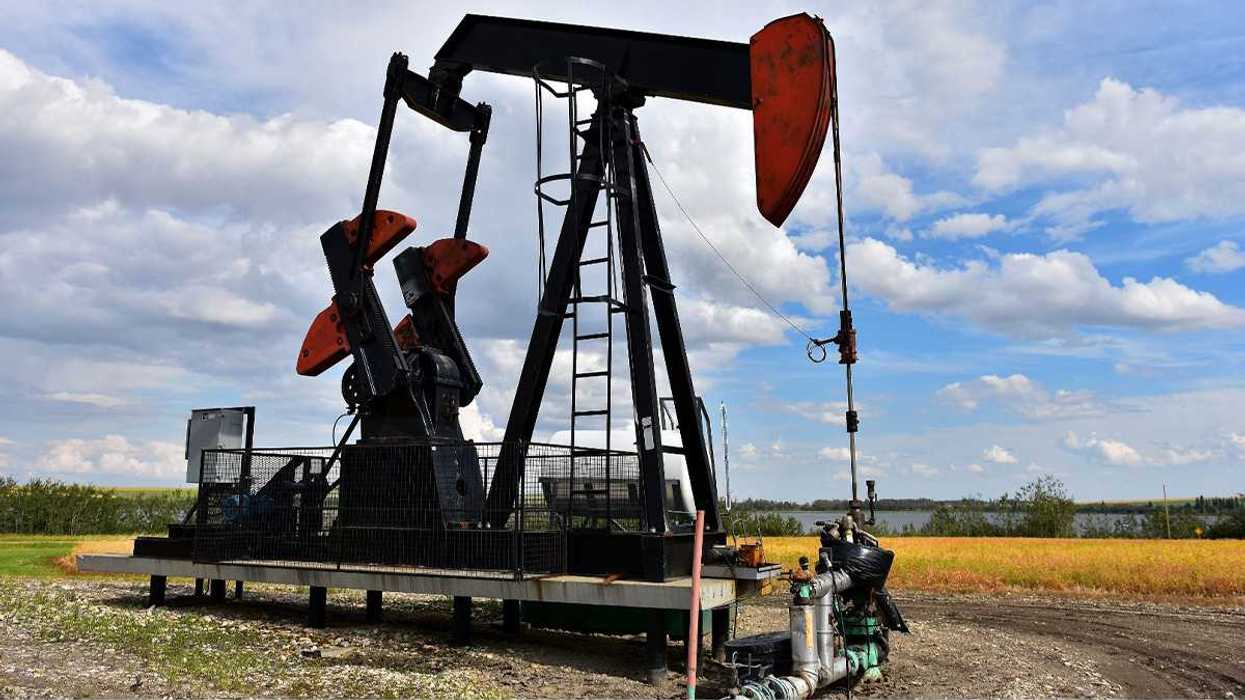 Oil production.Photo credit
  Sun shines over the Earth.Photo credit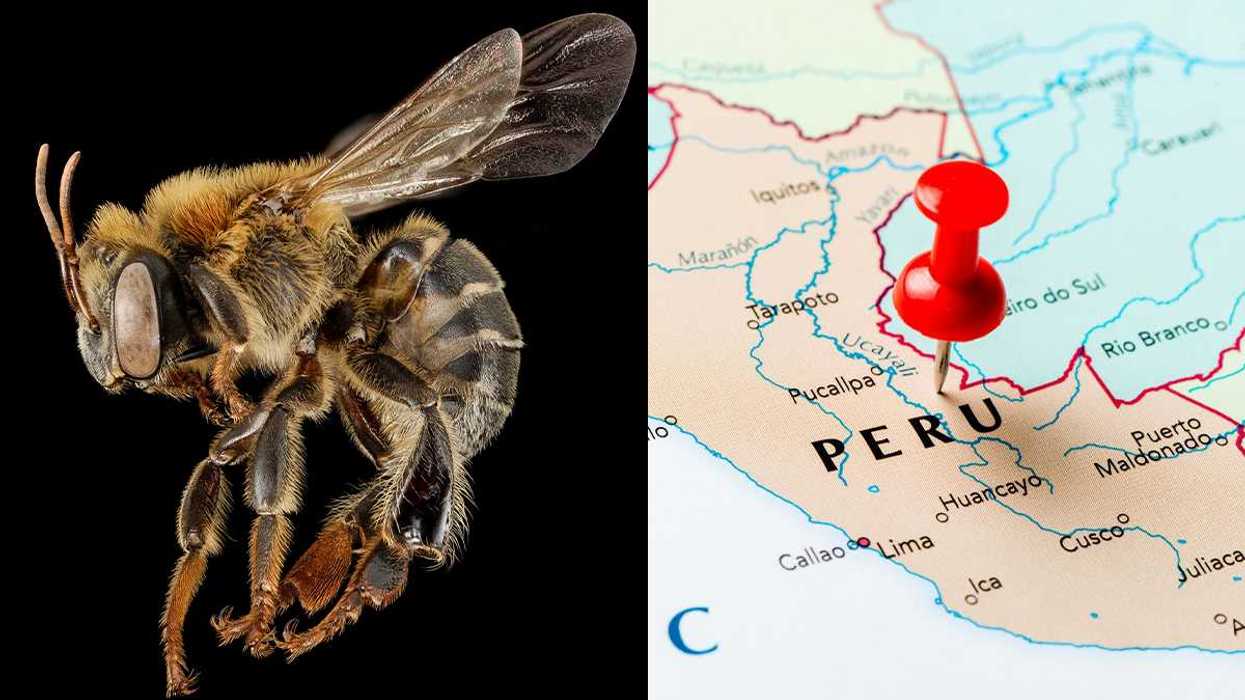
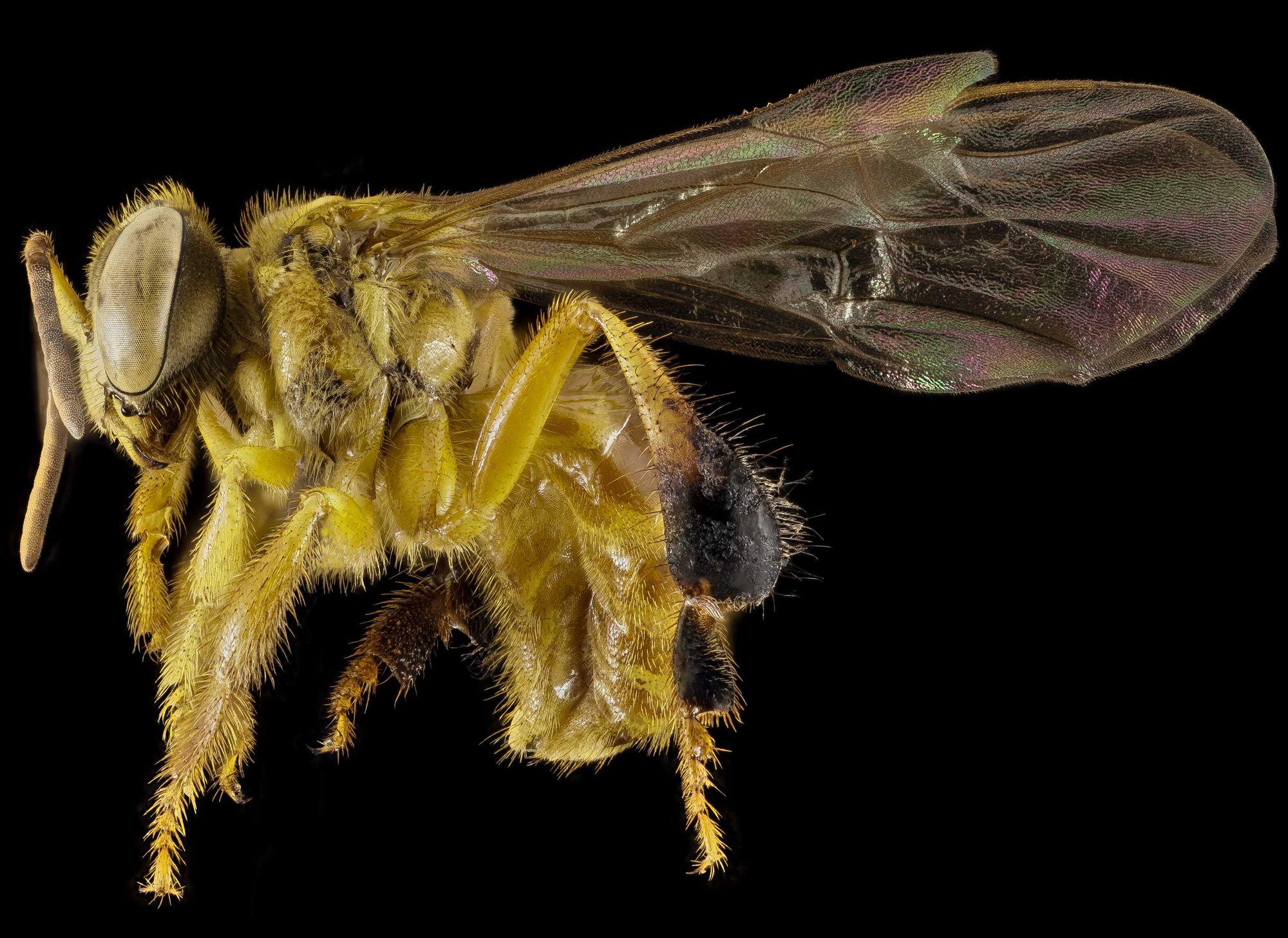 Peru stingless bee.USGS Bee Inventory and Monitoring Lab/
  Indigenous Peruvian people.Photo credit
 Representative Image: Accents reveal heritage and history.
  Representative Image: Even unseen you can learn a lot from an accent.
 Rice grain and white rice.Image via
  Person eats rice.Image via
  Washing and rinsing rice.
  Mother and daughter eating rice meal.Image via
President Donald J. Trump and photo of a forest.
Public united and adamantly opposes Trump’s plan to roll back the Roadless Rule
There doesn't seem to be much agreement happening in the U.S. right now. Differing moral belief systems, economic disparity, and political divide have made a country with so many positives sometimes feel a little lost. Everyone desperately seeks a niche, a connection, or a strong sense of community to which they can feel a "part of," rather than just "apart."
But there seems to be one thing that the country strongly unites over, and that's the "Roadless Rule." With the Trump Administration attempting to roll back conservation policies that protect U.S. National Forests, Americans are saying in harmony an emphatic "No." A nonpartisan conservation and advocacy organization, the Center for Western Priorities, reviewed a comment analysis on the subject. After receiving 223,862 submissions, a staggering 99 percent are opposed to the president's plan of repeal.
What is the 'Roadless Rule' policy implemented in 2001?
The Roadless Rule has a direct impact on nearly 60 million acres of national forests and grasslands. According to the U.S. Department of Agriculture, the rule prohibits road construction and timber harvests. Enacted in 2001, it is a conservation rule that protects some of the least developed portions of our forests. It's considered to be one of the most important conservation wins in U.S. history.
America's national forests and grasslands are diverse ecosystems, timeless landscapes, and living treasures. They sustain the country with clean water and the wood products necessary to build our communities. The National Parks protected under their umbrella offer incredible recreational retreats and outdoor adventure.
Why does the administration want to roll it back?
U.S. Secretary of Agriculture Brooke L. Rollins told the Department of Agriculture in a 2025 press release, “We are one step closer to common sense management of our national forest lands. Today marks a critical step forward in President Trump’s commitment to restoring local decision-making to federal land managers to empower them to do what’s necessary to protect America’s forests and communities from devastating destruction from fires." Rollins continued, “This administration is dedicated to removing burdensome, outdated, one-size-fits-all regulations that not only put people and livelihoods at risk but also stifle economic growth in rural America. It is vital that we properly manage our federal lands to create healthy, resilient, and productive forests for generations to come. We look forward to hearing directly from the people and communities we serve as we work together to implement productive and commonsense policy for forest land management.”
Forest Service Chief Tom Schultz explained the Roadless Rule frustrated land management and acts as a challenging barrier to action. It prohibits road construction needed to navigate wildfire suppression and properly maintain the forest. Schultz said, “The forests we know today are not the same as the forests of 2001. They are dangerously overstocked and increasingly threatened by drought, mortality, insect-borne disease, and wildfire. It’s time to return land management decisions where they belong – with local Forest Service experts who best understand their forests and communities."
Why are people adamantly opposed to the proposed rollback?
A 2025 article in Earthjustice, a nonprofit environmental law organization, expressed its concern over the protection of national forests covering 36 states and Puerto Rico. A rescinded rule allows increased logging, extractive development, and oil and gas drilling in previously undisturbed backcountry. Here is what some community leaders had to say about it:
President Gloria Burns, Ketchikan Indian Community, said, "You cannot separate us from the land. We depend on Congress to update the outdated and predatory, antiquated laws that allow other countries and outside sources to extract our resource wealth. This is an attack on Tribes and our people who depend on the land to eat. The federal government must act and provide us the safeguards we need or leave our home roadless. We are not willing to risk the destruction of our homelands when no effort has been made to ensure our future is the one our ancestors envisioned for us. Without our lungs (the Tongass) we cannot breathe life into our future generations.”
Linda Behnken, executive director of the Alaska Longline Fishermen’s Association, stated, "Roadbuilding damaged salmon streams in the past — with 240 miles of salmon habitat still blocked by failed road culverts. The Roadless Rule protects our fishing economy and more than 10,000 jobs provided by commercial fishing in Southeast Alaska.”
The Sierra Club's Forest Campaign Manager Alex Craven seemed quite upset, saying, "The Forest Service followed sound science, economic common sense, and overwhelming public support when they adopted such an important and visionary policy more than 20 years ago. Donald Trump is making it crystal clear he is willing to pollute our clean air and drinking water, destroy prized habitat for species, and even increase the risk of devastating wildfires, if it means padding the bottom lines of timber and mining companies.”
The 2025 recession proposal would apply to nearly 45 million acres of the national forests. With so many people writing in opposition to the consensus, the public has determined they don't want it to happen.
Tongass National Forest is at the center of the Trump administration's intention to roll back the 2001 Roadless Rule. You can watch an Alaska Nature Documentary about the wild salmon of Tongass National Forrest here:
- YouTube www.youtube.com
The simple truth is we elect our public officials to make decisions. The hope is they do this for all of our well-being, although often it seems they do not. Even though we don't have much power to control what government officials do, voicing our opinions strongly enough often forces them to alter their present course of action. With a unanimous public voice saying, "No!" maybe this time they will course correct as the public wishes.