



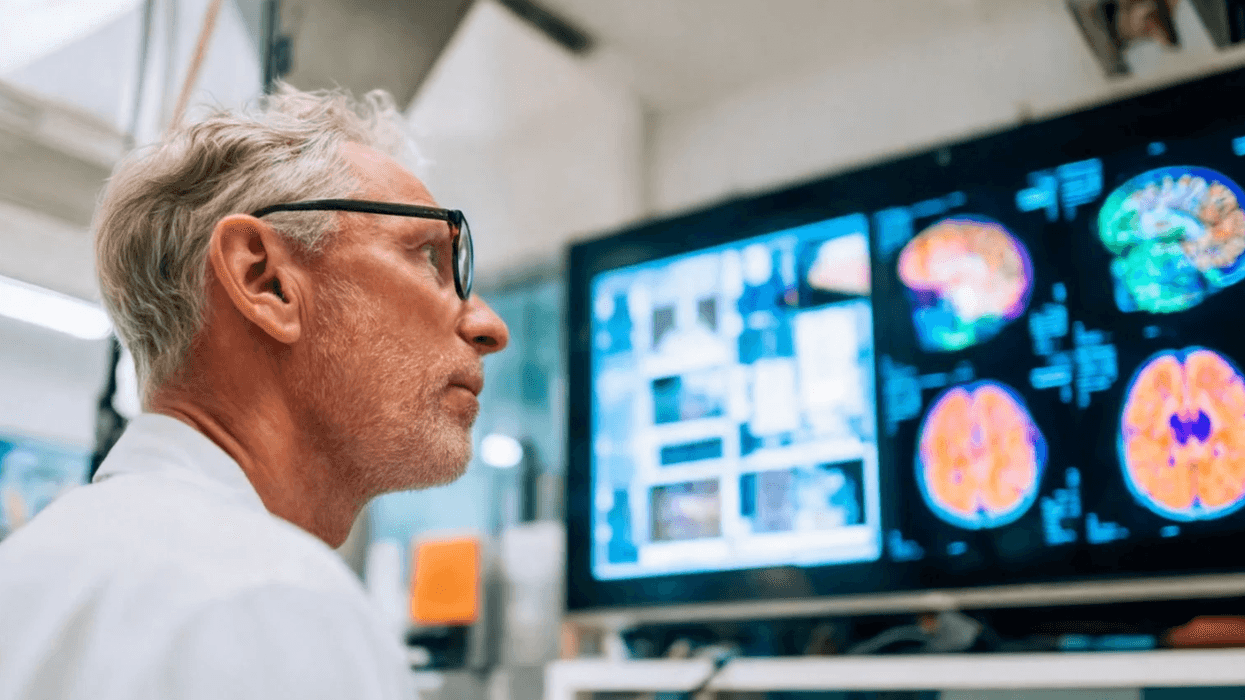
Navigating the complexities of brain health as we age can be a daunting experience. From the mild frustrations of general forgetfulness to the devastating impacts of Alzheimer’s and Dementia, cognitive decline affects millions of families across the country. However, a groundbreaking 2025 study from the University of California, San Francisco (UCSF) suggests that we may finally have a way to do more than just manage symptoms. Researchers believe they have found a method to truly reverse age-related memory loss.
The study, published in Nature Aging and reported by MSN, focused on a specific protein found in the brain called ferritin light chain 1 (FTL1). By studying the memory centers of aging mice, the team at the UCSF Bakar Aging Research Institute discovered that FTL1 tends to accumulate over time.
When they successfully reduced the levels of this protein in older mice, something remarkable happened: their cognitive performance improved back to levels typically seen in much younger mice.
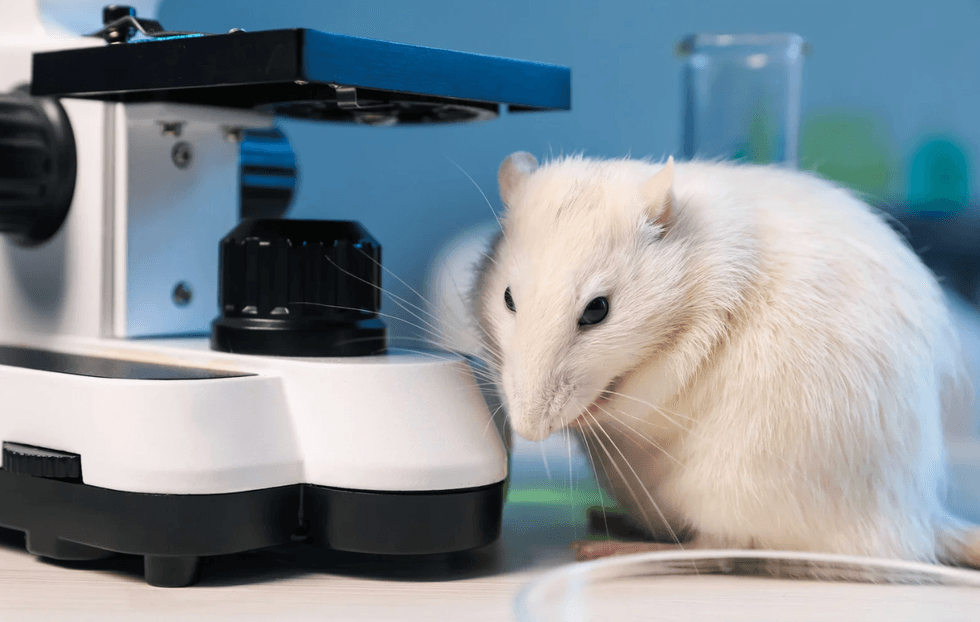 A labratory mouse checks out a microscopeCanva
The Role of FTL1 and Iron Storage
To understand why this protein matters, it helps to look at how the brain manages iron. Iron is essential for the body, as it assists in distributing energy to cells and keeping the brain functioning at its peak. FTL1 acts as a storage container for this iron. Without it, iron would move freely and cause damage; however, too much FTL1 can disrupt neurons and deprive them of the energy they need to form and recall memories.
The researchers tested this theory by increasing FTL1 levels in healthy young mice, which caused them to immediately experience memory impairments. When they did the opposite with older mice, the results were definitive. "It is truly a reversal of impairments. It’s much more than merely delaying or preventing symptoms," said Saul Villeda, the senior author of the paper. This suggests that FTL1 is a primary driver of typical age-related decline, even in the absence of specific diseases like Alzheimer's.
memory loss reversal, FTL1 protein, brain health, cognitive decline, UCSF research, aging breakthroughs, MIND diet, neuroscience, alzheimers prevention, neuroplasticity YouTube
Proactive Steps for Brain Health
While the medical world waits for these "frontier medicine" applications to move toward human trials, there are science-backed ways to protect your cognitive function today.
- The MIND Diet: A 2024 study from the National Institutes of Health found that following the Mediterranean-DASH Intervention for Neurodegenerative Delay (MIND) diet reduced cognitive risk by 4% in men and 8% in women. This involves prioritizing leafy greens, whole grains, nuts, and beans while avoiding fried foods, red meats, and excessive sweets.
- Active Lifestyles: Physical movement is non-negotiable for brain health. A 2024 study in the National Library of Medicine showed that combining aerobic exercise with cognitive training significantly improved processing speed and memory. Even a 30-minute daily walk supports vital blood flow to the brain.
- The Power of Sleep: Never underestimate a good night’s rest. According to a 2024 study in BMC, short sleep cycles are linked to higher levels of amyloid-β, a primary indicator of Alzheimer's disease. Even short-term sleep deprivation has been shown to immediately impact memory and focus, according to reports in Springer Nature Link.
memory loss reversal, FTL1 protein, brain health, cognitive decline, UCSF research, aging breakthroughs, MIND diet, neuroscience, alzheimers prevention, neuroplasticity YouTube
As the field of neuroscience continues to unlock the secrets of proteins like FTL1, the prospect of maintaining a sharp, youthful mind well into old age is becoming more of a reality. While we wait for technology to catch up, the foundation of a healthy brain remains built on the daily choices we make regarding how we eat, move, and rest.
memory loss reversal, FTL1 protein, brain health, cognitive decline, UCSF research, aging breakthroughs, MIND diet, neuroscience, alzheimers prevention, neuroplasticity YouTube
This article originally appeared last year.








 A young person doing their monthly budgetCanva
 Gif of little dog holding guitar with caption "Time For Tacos" via

 A woman scrolls through a dating appCanva
 A young woman scrolling on her phoneCanva
 Gig of two cartoon penguins watching TV via
  Gif of a storm trooper flipping through sings that say 'no' via