

Before becoming a well-known spokesperson for OCD, Howie Mandel unexpectedly revealed his diagnosis during a live broadcast. After spending much of his life hiding his condition from the public, he later reflected on that moment in an episode of The Assembly on the CBC, the Canadian Broadcasting Corporation.
The show has autistic and neurodivergent people asking celebrities honest and unfiltered questions. It provided the perfect setting for Mandel to talk about his experience. In an Instagram post, he explains the accidental nature of the revelation that later sparked such a positive response from the public.
Howie Mandel accidentally revealed he has OCD
During an interview on The Howard Stern Show back in 1998, Mandel, thinking he was on a commercial break, attempted to exit the room. Thoughts of the doorknob being covered in germs triggered his OCD. He needed help to leave, but was also attempting to hide his condition. This is what Mandel had to say about it:
“I had been diagnosed with OCD and didn’t want to tell anybody for fear of how people would react… I thought it would embarrass my family, my kids. People wouldn’t give me work anymore. I would be bullied.”
Feeling uncomfortable about touching the doorknob, he asked for a tissue and the resulting exchange led to the unforeseen reveal.
“I said, you know, Howard, I’ve been diagnosed with obsessive compulsive disorder, and if you don’t open the door and let me out, I can’t breathe. You’re going to have to call 911. This is legitimate and I take, I take medication.”
They let him out of the studio, but Mandel soon realized the show wasn’t on commercial. The whole exchange had been broadcast live. Mandel continued, “I went out in the hall, and I can hear the broadcast. And I thought we were in a commercial. And I didn’t realize that I just broadcast that whole thing publicly. And I was so embarrassed, devastated…”
Mandel wandered onto the street to collect his thoughts. “I was so afraid of what was going to happen next,” said Mandel. He was then approached by a person who had just heard the broadcast and asked if he was Howie Mandel. “I thought, oh my God. And my heart just sunk.”
But the response was not what Mandel expected. The man thanked him for sharing about OCD. Mandel claims the man said, “Me too… I have obsessive, thank you for talking about it.”
Mandel was completely surprised by the exchange. He found unexpected comfort in being understood, saying, “It was the first time I ever heard somebody else. It was the first connection that made me feel a little bit better.”
Afterward, the response and feedback Mandel received were highly positive. It changed how he viewed talking about his mental health, sharing, “I got flooded with a ton of mail of people who said that they felt more comfortable that I mentioned it, and that’s when I decided to be open about it. And, my mission is to remove the stigma from anything that feels different.”
Understanding OCD
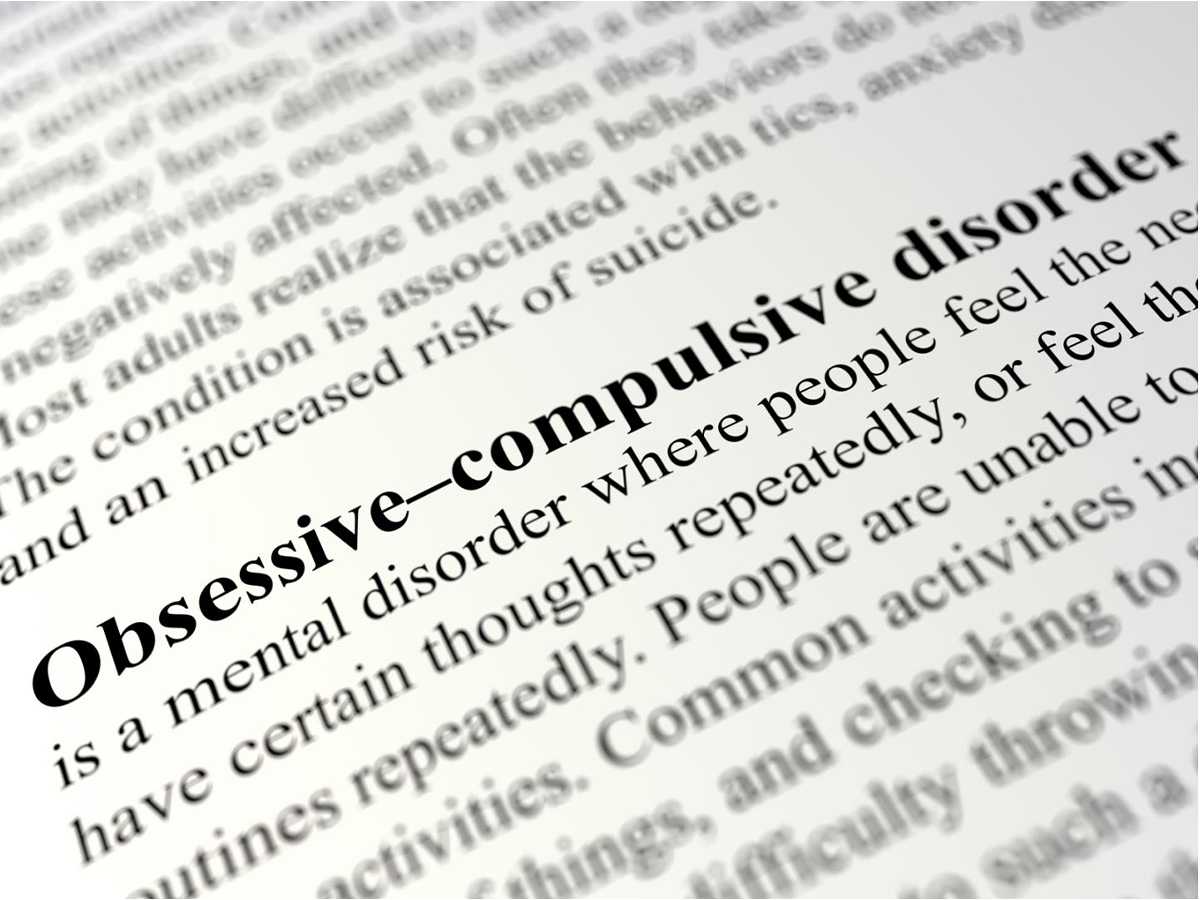
According to a 2025 study in the National Library of Medicine, obsessive-compulsive disorder is a common mental illness. People get obsessions and feel driven toward repetitive behaviors or mental acts called compulsions. Not acting out on these feelings and thoughts builds anxiety. A painful loop results where compulsion leads to actions of temporary relief and makes life extremely challenging. For treatment, there are prescription drugs like SSRIs, therapy, or a combination of the two.
People really appreciate and connect with Mandel’s honesty
Despite his original attempts to hide his own OCD, he now openly shares about it. The public has been genuinely warm and receptive to Mandel on this topic. These were some of the comments on the Instagram post:
“Even with how bad the story started… the fact you touched someone within minutes and he helped you in YOUR time of need, truly was a miracle.”
“Thank you for sharing your story and helping to break the stigma.”
“He was the first celebrity that I knew had OCD because everyone was talking about it! I hate that this is how it happened though”
“Howard stern is very open about his own ocd too. It’s really refreshing to hear celebrities open up about ocd and break the stereotypes”
“Goes to show that EVEN CELEBRITIES can’t get accommodations when asked. Disabled ppl & people w conditions should not have to explain themselves or divulge personal medical information in order to get accommodations.”
“Yeah I remember this Howie, I’m happy that you did on accident. I think that it’s helped you a lot of personal growth and achievement as well as showing others help as possible.”
Mandel tries to give back
Mandel began his public OCD journey by hiding it, but since it’s been public knowledge, he’s been giving back. Mandel has repeatedly talked about his own struggles with OCD and anxiety through interviews. By publicly addressing how OCD affects his life, he helps others better understand the condition. He suggests healthy strategies for managing symptoms while offering real-world examples for people who also might be struggling.
He also helped launch campaigns like #KnowOCD that educate the public on OCD. Partnering with NOCD, they’ve helped link people in need with insurance providers, specialized therapists, effective solutions, and treatment.
It started with an accidental disclosure that scared Mandel into believing his career was over. Today, choosing vulnerability and speaking openly has become a mission. Normalizing mental illness and talking about his OCD educates others and helps people feel less alone.












.jpg)
.jpg)


