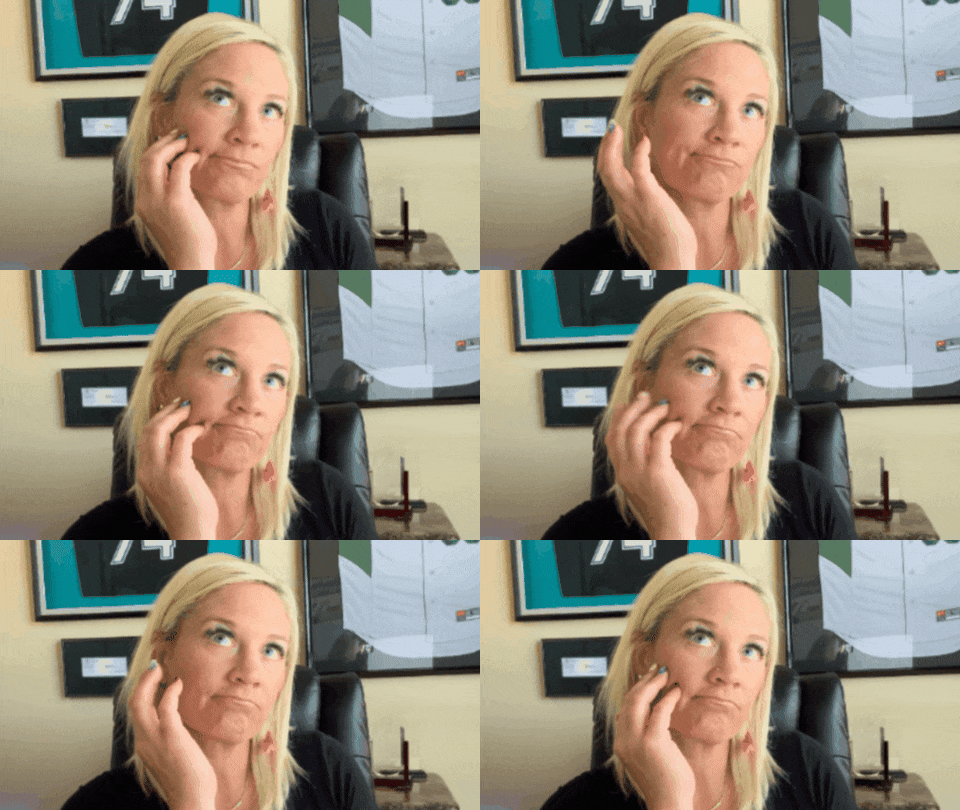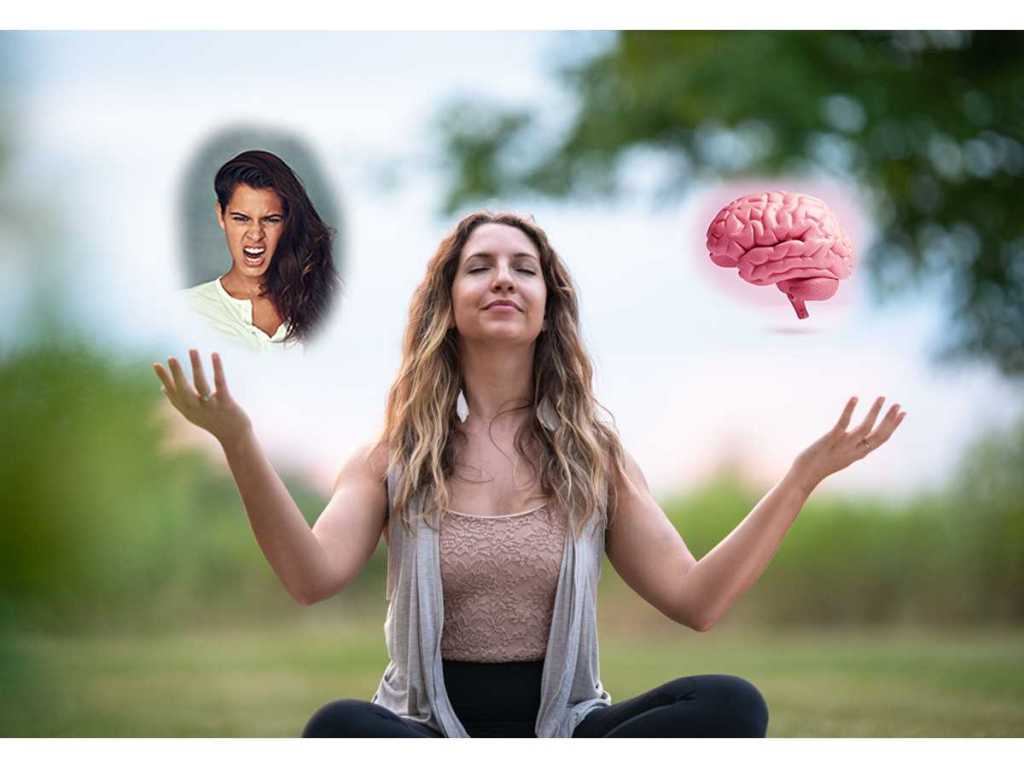
Ruminating on negative thoughts and feelings can turn a potentially great day into a frustrating one. One woman had such a simple and wonderful solution to the problem that I challenge you to give it a try.
Faye Plunkett is a content creator who takes a casual and upbeat approach to navigating life. Her bio claims, “Scooting through life.” In an Instagram post, while riding a scooter, she shares a valuable lesson learned on how to navigate better the negative thoughts that you can’t stop ruminating on.
She calls her brain, “Becky.”
As she cruises down the sidewalk on her scooter in the Instagram video, Punkett talks about the concept of naming your brain. She calls her own, “Becky.”
This is what Punkett says in the video:
“The wildest piece of advice I’ve ever received that actually works is, I promise you, name your brain. And I know it sounds mental, but whenever I have a dark thought, my brain is called Becky, and I have nothing against Becky’s. But when the dark side comes out, I literally say to myself, ‘Becky, not today, my girl. I can’t be dealing with that today.’ Or if I wake up in the morning, and I instantly think today is gonna be a bad day. I literally say to myself, ‘Becky, I love you. But we absolutely can’t be doing that today. And that is really unfair to say before I’ve even got out of bed.’ And I promise you the moment you start talking to your intrusive thoughts, everything will change.”

Some fun thoughts in the comment section
People shared their own thoughts, from their own fun names to their appreciation.
“Works for me!”
“Love it. I will absolutely try it. Makes sense.”
“Naming it is a great idea.”
“Mine is called Louise because, … geez”
“I love Becky”
“Love this advice, I’m gonna try it!! With the accent too!!”
“My brain’s name is Bruno. Silencio Bruno”

The power of observing your thoughts
A 2024 study in the National Library of Medicine examined how emotions and thoughts can profoundly impact a person’s overall well-being. They discovered a direct link between positive thoughts and positive feelings. Similarly, negative thoughts bring negative feelings. Individuals who were more adept with mindfulness skills, who could step back and not overthink and get stuck in worry, were better at stopping bad feelings from turning into more bad thoughts. These skills also helped good thoughts and feelings build on themselves. Learning not to get stuck in a thought helped people stay more positive.
Name it to tame it
In a video for the Dalai Lama Center for Peace and Education, Psychiatrist Dr. Dan Siegel demonstrates a simple approach to help manage strong and painful emotions. He describes the idea of there being an “upstairs brain” and a “downstairs brain.” Upstairs is for thinking. The downstairs is responsible for emotions and instincts. So when negative emotional thoughts are happening downstairs, naming the feelings (get the upstairs brain active) sends calming neurotransmitters to the downstairs brain. This isn’t just a creative exercise; it’s using biology to solve a challenging experience. Name it to tame it.

It’s not just a psychological trick
A 2025 study in Science Direct found that labeling and naming our emotions changes the way we experience and share them. Putting “feelings into words” is not only a key resource to help people make sense of emotional experiences, but also helps better regulate and shape the intensity of the feelings.
Science suggests Plunkett offers up some sage advice. Navigating the basic stressors of life can bring on some strong and uncomfortable intrusive thoughts. Things like labeling and naming that reduce the intensity and lessen the length of the experience are valuable. And any one of us can put them into action whenever they are needed.