




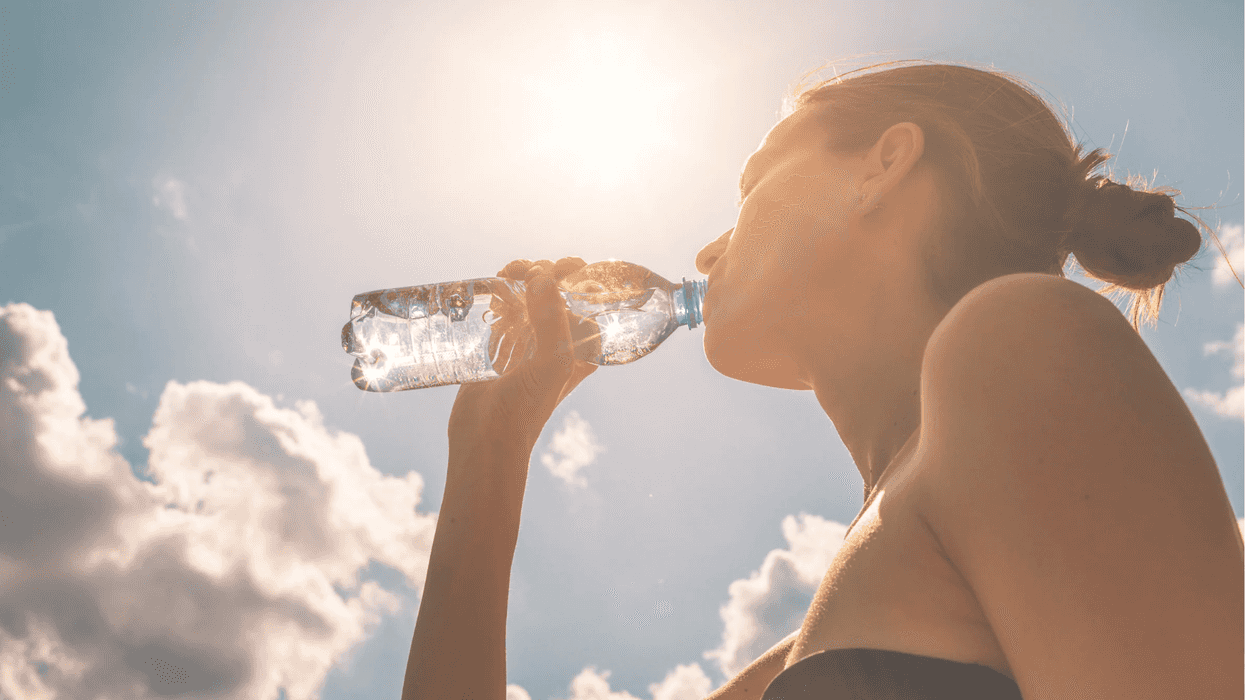
We have all been raised on the golden rule of hydration: drink eight glasses of water a day. Depending on who you ask, that number might even climb to sixteen. But while we have been conditioned to reach for the tap the moment we feel thirsty, a study from the University of St. Andrews in Scotland suggests that our go-to hydration strategy might be missing a key ingredient.
Researchers at the university looked at how different beverages affect the body's ability to retain fluid. Surprisingly, they found that plain water was not the most efficient choice for long-term rehydration. Instead, the study pointed toward a more substantial alternative that most of us associate with breakfast: milk.
The reason milk outperforms water comes down to how our bodies process nutrients. Milk contains a specific combination of proteins, fats, and a naturally occurring sugar called lactose. According to the research, these elements work together to slow down the rate at which fluid empties from the stomach. Because the liquid stays in the system longer, the body has more time to absorb and use it.
hydration study, University of St. Andrews, milk benefits, electrolytes, health tips, rehydration, water vs milk, nutrition science, wellness, healthy living YouTube
Furthermore, milk is naturally packed with sodium and potassium. These electrolytes act like a sponge, helping the body hold onto water and preventing it from being lost through frequent trips to the bathroom. While plain water does contain trace amounts of minerals, it lacks the caloric density required to keep the body hydrated over an extended period.
The study did not stop at milk. Researchers found that other drinks including orange juice, tea, and even coffee can contribute to hydration levels. While many believe caffeine is a net negative for fluid retention, the study found that a standard cup of coffee or tea (containing roughly 80 milligrams of caffeine) actually provides a helpful boost to hydration. The caveat, however, is that high levels of sugar or alcohol can reverse these benefits and lead to further dehydration.
 A woman sips a cup of coffeeCanva
Constipation
One of the reasons constipation can occur is because there aren't enough fluids to keep the pipes moving. This causes the intestines to slow down or completely stop eliminating waste. Besides being painful, dehydration-induced constipation risks include: vomiting, fever, abdominal cramps, bloating, rectal bleeding, and even diverticulitis (trapped waste in small pouches of the intestines that become irritated and inflamed).
Dizziness
Severely dehydrated people can not only face dizziness, but delirium. When dehydrated, people can become unfocused and confused about their surroundings. It's even possible to suffer hallucinations and delusions leading to unsafe behavior and need for urgent medical attention.
hydration study, University of St. Andrews, milk benefits, electrolytes, health tips, rehydration, water vs milk, nutrition science, wellness, healthy living YouTube
Heart attacks
Your heart rate is linked to blood pressure and blood volume. Volume is indirectly affected by the regulation of fluid intake. As your blood pressure and volume drop, the heart has to work harder to maintain a healthy, working body. If this state is prolonged, the stress can damage the heart and, in severe cases, cause heart attacks.
Dry Skin
Wrinkles are a normal part of the aging process, but dehydrated skin can cause fine lines to appear. These lines can feel itchy and may even crack open, providing entryways for bacteria. How do you know dry skin is dehydrated skin, though? There's a simple test you can do to find out: gently pinch your skin between your pointer finger and thumb. If the skin goes back to its original position in a few seconds you're good. If it doesn't, you're probably dehydrated.
Hungry?
Dehydration can often reveal itself as hunger. You're brain signals to the body that fluids are needed, and you feel that as need for a full meal or snack. If you've just had something to eat and still feel hungry, try drinking a glass of something (like milk!). It will fill up your stomach and help rehydrate your body.
This article originally appeared last year.










 A coupe on a romantic dateCanva
 A woman swims in the oceanCanva
 A happy-looking dolphin popping out of the waterCanva
 A labratory mouse checks out a microscopeCanva


 A woman scrolls through a dating appCanva
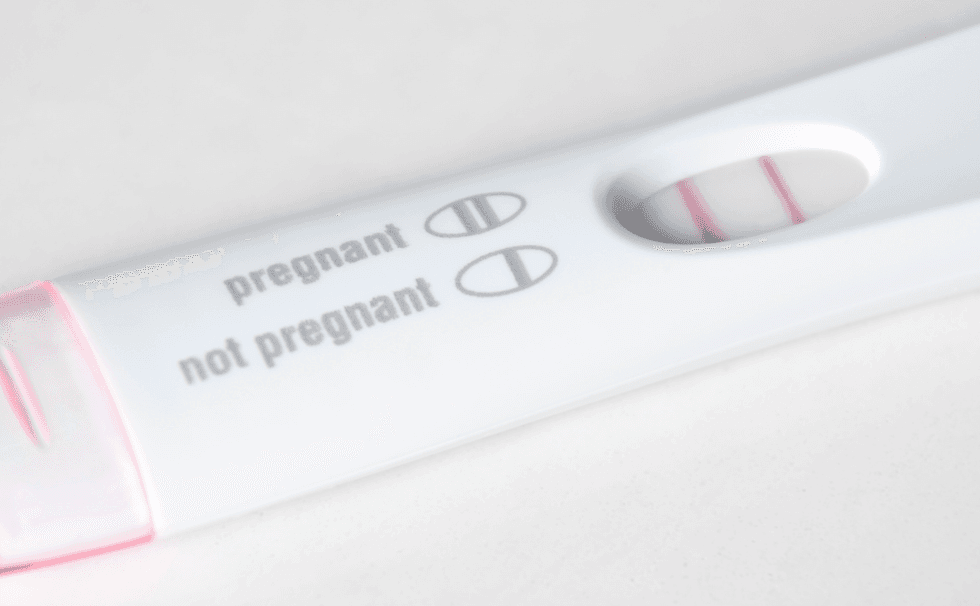 A home pregnancy test Canva
 A young woman scrolling on her phoneCanva
 Gig of two cartoon penguins watching TV via
  Gif of a storm trooper flipping through sings that say 'no' via